

Vibration Plate for Lymphatic Drainage: What the Evidence Says
Many people searching for a vibration plate for lymphatic drainage are looking for a simple way to add movement to a daily wellness routine. The important distinction is that a vibration plate creates mechanical movement; it is not a medical lymphatic drainage device and should not be presented as a treatment for lymphedema or persistent swelling.
There is a reasonable physiological connection between movement and normal lymph transport, but research specifically showing that consumer vibration plates improve lymphatic drainage is limited. This guide explains what we actually know, what remains uncertain, and how vibration training can fit into a general movement routine.
Can a Vibration Plate Help With Lymphatic Drainage?
Movement matters to normal lymph transport. The lymphatic system uses its own vessel contractions and valves, while forces created by skeletal muscle movement, breathing, and changes in surrounding tissue pressure can also contribute to lymph movement.
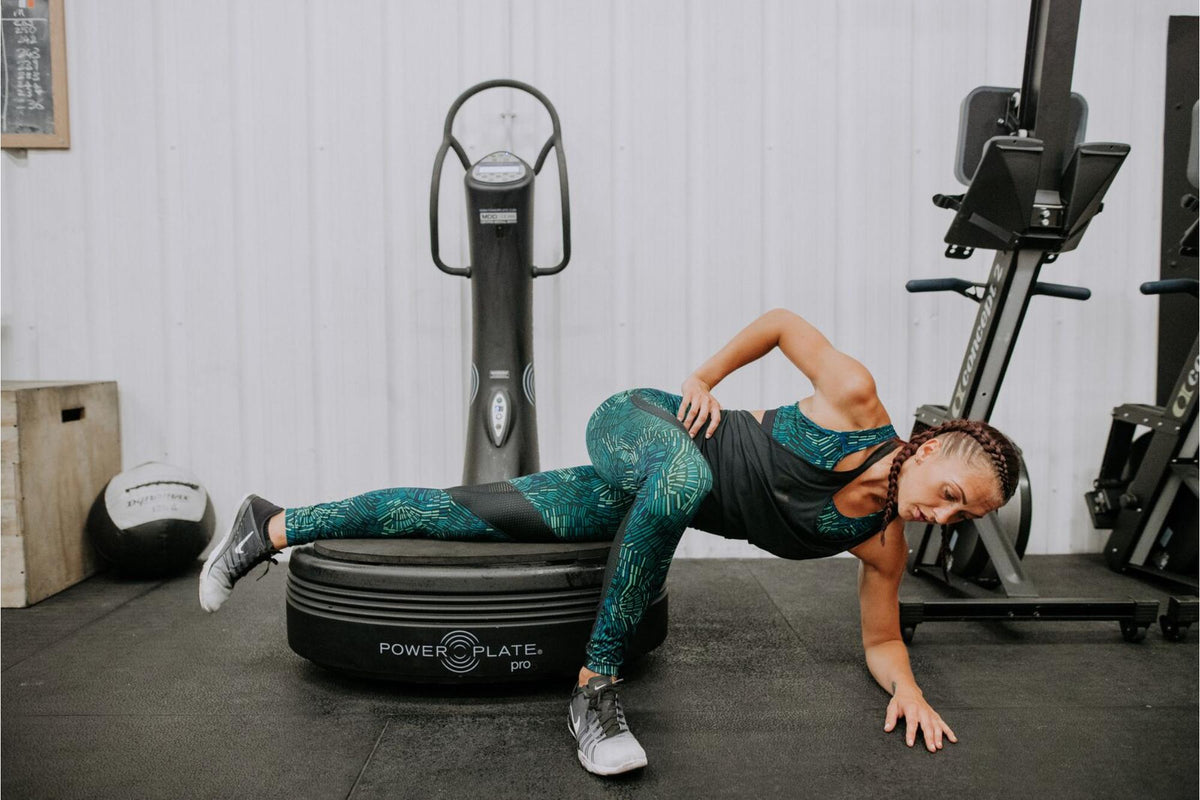
A vibration plate creates repeated mechanical movement and can be combined with exercises such as calf raises, shallow squats, and controlled standing. Some research has found vibration can affect peripheral blood flow, and one small human study of plantar vibration reported findings consistent with increased peripheral lymphatic flow.
However, direct evidence for vibration plates as a lymphatic drainage treatment is limited. Blood flow and lymph flow are also different physiological processes. A vibration plate is better viewed as a movement tool rather than a detox or medical drainage device.

Table of Contents
- How does the lymphatic system move fluid?
- How does vibration relate to lymphatic movement?
- What does the research actually show?
- Blood circulation vs lymphatic flow
- How to use a vibration plate for a gentle movement routine
- Vibration plate exercises for gentle movement
- How to choose a vibration plate
- Safety and when to get medical guidance
- Frequently asked questions
How Does the Lymphatic System Move Fluid?
The lymphatic system helps return fluid from tissues to the bloodstream and also plays important roles in immune function and fat absorption. It is not simply a passive network of tubes.
Collecting lymphatic vessels contain smooth muscle that contracts rhythmically. One-way valves help keep lymph moving in the correct direction. External forces can also influence lymph transport, including skeletal muscle contraction, breathing, arterial movement, and changes in pressure around the vessels.
Intrinsic Lymph Pump
Lymphatic vessels contain smooth muscle that contracts to help move lymph through the vessel network.
Muscle Movement
Contracting skeletal muscles can compress surrounding tissues and contribute to the external forces involved in lymph transport.
Breathing
Changes in pressure produced during breathing are another external force involved in moving lymph through the body.
One-Way Valves
Valves within collecting lymphatic vessels help limit backward flow as fluid moves through the system.
How Does a Vibration Plate Relate to Lymphatic Movement?
A vibration plate produces repeated mechanical movement beneath the body. When you stand or exercise on the platform, your muscles respond as you maintain posture and perform the movement.
That provides a plausible reason vibration training is discussed alongside lymphatic movement: it introduces repeated movement and muscle activity. What has not been established is that a standard consumer vibration plate can directly “flush,” “cleanse,” or “detox” the lymphatic system.
What Does Research Show About Vibration and Lymphatic Drainage?
Direct human research specifically measuring lymphatic drainage during whole-body vibration is limited.
One small study in perimenopausal women investigated vibration applied through the feet and reported changes consistent with increased peripheral lymphatic flow and venous drainage. This is interesting evidence, but it involved a specific vibration protocol and population and should not be interpreted as proof that every vibration plate produces the same response.
There is considerably more research examining peripheral blood flow. Systematic reviews have found that whole-body vibration can influence blood flow, although results vary according to frequency, vibration magnitude, protocol, and study population.
Blood Circulation and Lymphatic Flow Are Not the Same Thing
This distinction is often missed in vibration plate content. Blood is circulated through the cardiovascular system by the heart. Lymph moves through a separate vessel network using lymphatic vessel contractions, valves, pressure changes, and external mechanical forces.
| Blood Circulation | Lymphatic Flow | |
|---|---|---|
| Primary system | Cardiovascular system | Lymphatic system |
| Central pump | Heart | No single central pump |
| Movement mechanisms | Heart pressure and vascular regulation | Lymphatic muscle contractions, valves, tissue pressure, skeletal muscle activity, and respiration |
| Vibration research | Multiple studies have examined peripheral blood-flow responses | Direct human evidence is much more limited |
How to Use a Vibration Plate for Lymphatic Drainage Searches: A Gentle Movement Routine
If you are healthy and using a vibration plate as part of a general wellness routine, the goal does not need to be aggressive intensity. A simple approach is to use the machine to add gentle movement and muscle activity.
Start With Comfortable Standing
Use a lower setting recommended for your machine, keep the knees relaxed rather than locked, and become familiar with how the vibration feels.
Add Slow Calf Raises
Controlled ankle movement engages the lower-leg muscles rather than relying only on passive standing.
Use Shallow Squats or Weight Shifts
Gentle lower-body movement adds muscle activity while you remain supported and controlled on the platform.
Include Calm Breathing
Maintain normal, relaxed breathing rather than holding your breath during standing or movement exercises.
Rest and Reassess
Use short bouts, rest between exercises, and increase training demands gradually according to the instructions for your specific machine.
Vibration Plate Exercises for Gentle Movement
If your goal is simply to incorporate more movement, controlled exercises are generally more useful than assuming passive standing alone will create a specific health outcome.
- Comfortable standing with relaxed knees
- Slow calf raises
- Shallow controlled squats
- Gentle side-to-side weight shifts
- Supported balance positions
- Manufacturer-approved stretching positions
For more exercise ideas, see our vibration plate workouts and exercises .

What Is the Best Vibration Plate for Lymphatic Drainage?
There is currently no clinical evidence establishing one consumer model as the best vibration plate for lymphatic drainage. A more useful approach is to choose a well-built vibration platform that suits your movement goals and allows you to train comfortably and consistently.
Consider platform stability, accessible controls, adjustable settings, platform size, available support, manufacturer instructions, and the amount of room you have available.
For compact home use, the Personal Power Plate and Power Plate MOVE provide smaller platform formats.
Buyers looking for an upright machine with integrated support and more training controls can also explore the Power Plate my5 .
You can compare the broader category in our vibration plate comparison or browse our Power Plate vibration machines .
Safety: When a Vibration Plate Is Not a Substitute for Medical Care
Persistent or unexplained swelling should not be self-treated based on internet advice. Diagnosed lymphedema is a medical condition with established management approaches that may include exercise, compression, skin care, and professionally directed lymphatic techniques.
If you have diagnosed lymphedema, are recovering from surgery or cancer treatment, have a known medical condition, or have been advised to restrict exercise, ask your healthcare professional whether vibration training is appropriate for you before starting.
New or rapidly worsening swelling, redness, warmth, significant pain, or fever should be medically assessed rather than managed with a vibration plate.
Frequently Asked Questions
Do vibration plates work for lymphatic drainage?
Direct evidence is limited. Movement and muscle activity are involved in normal lymph transport, and limited research has examined vibration and lymphatic flow. However, consumer vibration plates have not been established as a treatment for lymphedema or as a replacement for professional lymphatic care.
How does a vibration plate help with lymphatic drainage?
A vibration plate creates repeated movement and can be combined with muscle activity such as calf raises and squats. Muscle contraction is one of several external forces involved in normal lymph transport. That physiological connection is different from claiming the machine directly drains the lymphatic system.
How do you use a vibration plate for lymphatic drainage?
For general wellness use, begin with short, comfortable bouts on a lower manufacturer-approved setting and combine the vibration with controlled movement rather than relying only on passive standing. Follow the instructions for your exact machine and progress gradually.
Are vibration plates good for lymphatic drainage?
They may provide a convenient way to incorporate movement into a routine, but evidence is not strong enough to say that vibration plates provide a proven lymphatic drainage treatment. Their role is better described as supporting movement and exercise.
Is there a specific vibration frequency for lymphatic drainage?
No clinically established vibration frequency has been proven to be the universal setting for lymphatic drainage. Vibration settings differ by machine and training purpose, so follow the manufacturer's guidance for your model.
Can a vibration plate detox the body?
A vibration plate should not be described as a detox device. The body's normal waste-processing and fluid-regulation systems involve the liver, kidneys, cardiovascular system, lymphatic system, and other physiological processes. Vibration training does not replace those functions.
Continue Exploring
Learn about whole-body vibration, practical uses, and what current research does and does not support. Read the guide .
Understand the mechanics of whole-body vibration, frequency, exercise use, and safety. Learn how vibration plates work .
Explore controlled vibration plate exercises and short movement routines. See the exercises .
Compare platform formats, controls, settings, and intended use. Compare vibration plates .
Evidence Behind This Guide
The physiology in this guide is based on established research describing intrinsic lymphatic vessel contractions, one-way valves, and external mechanical forces involved in lymph transport.
Research on vibration is more developed for peripheral blood flow than for lymphatic drainage. A 2019 systematic review examined whole-body vibration and peripheral circulation, while an earlier human study of plantar vibration reported findings consistent with increased peripheral lymphatic flow in a specific population.
These findings are useful for understanding possible mechanisms, but they do not establish vibration plates as medical treatment for lymphatic disease.
Evidence reviewed: Zawieja, Contractile Physiology of Lymphatics; Mahbub et al., A Systematic Review of Controlled Whole-Body Vibration and Peripheral Circulation; and research examining plantar vibration, peripheral fluid movement, and lymphatic flow.
This article is for general educational purposes and is not medical advice, diagnosis, or treatment. Individual responses to vibration training vary.
Editorial note: My Energy Flow publishes content for general educational and product-research purposes. We aim to keep product specifications, technical information and referenced research accurate and current, but details may change over time. Always confirm current manufacturer documentation and applicable local requirements before purchasing, installing or using a product.
Health and wellness information is general in nature and is not a substitute for personalized medical advice from a qualified healthcare professional.



Leave a comment
This site is protected by hCaptcha and the hCaptcha Privacy Policy and Terms of Service apply.