The customer service was really great. We couldn’t decide between three models and we called and spoke to Pedram who took care of us. He really cared about making us feel good. Thanks and wish you all the best. :)


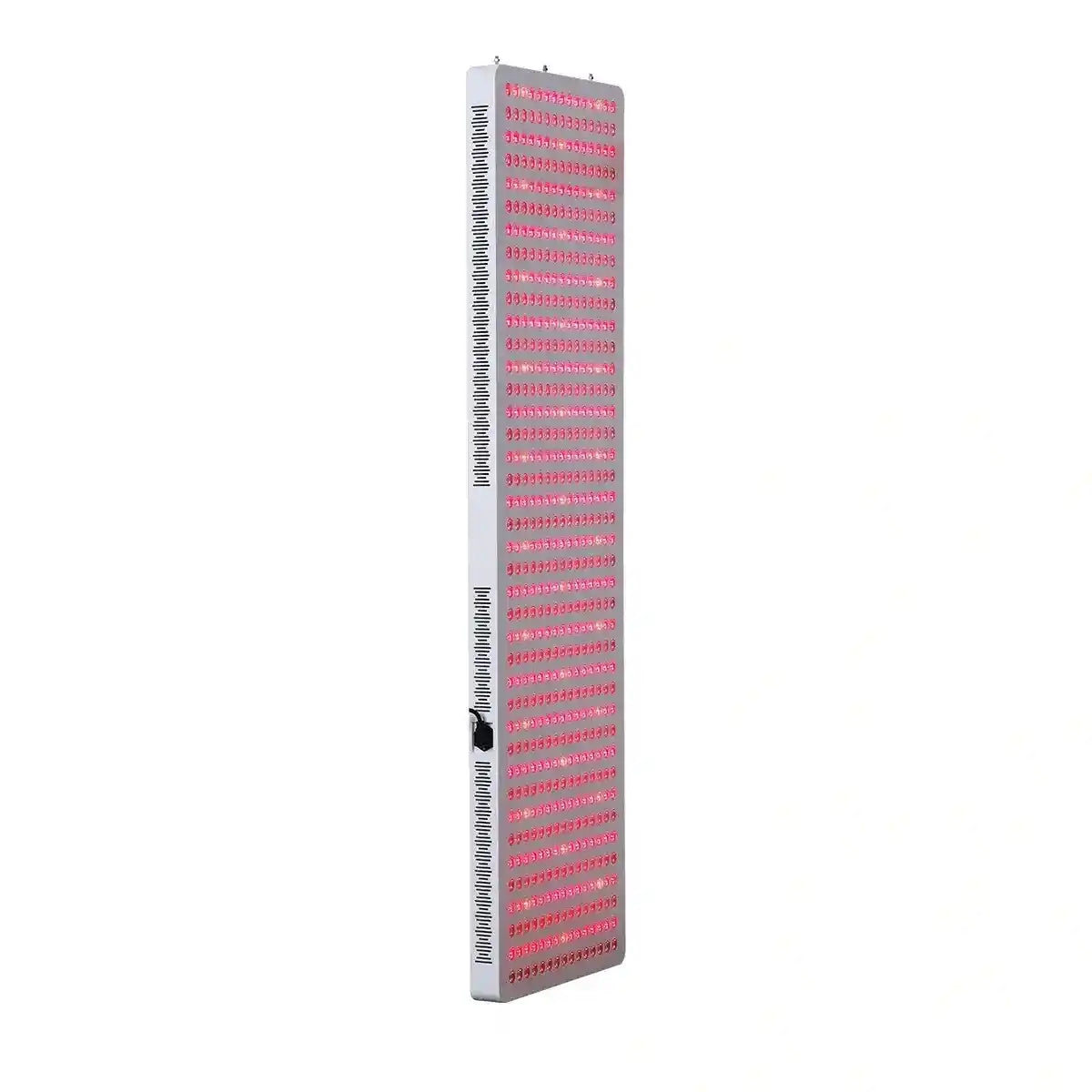
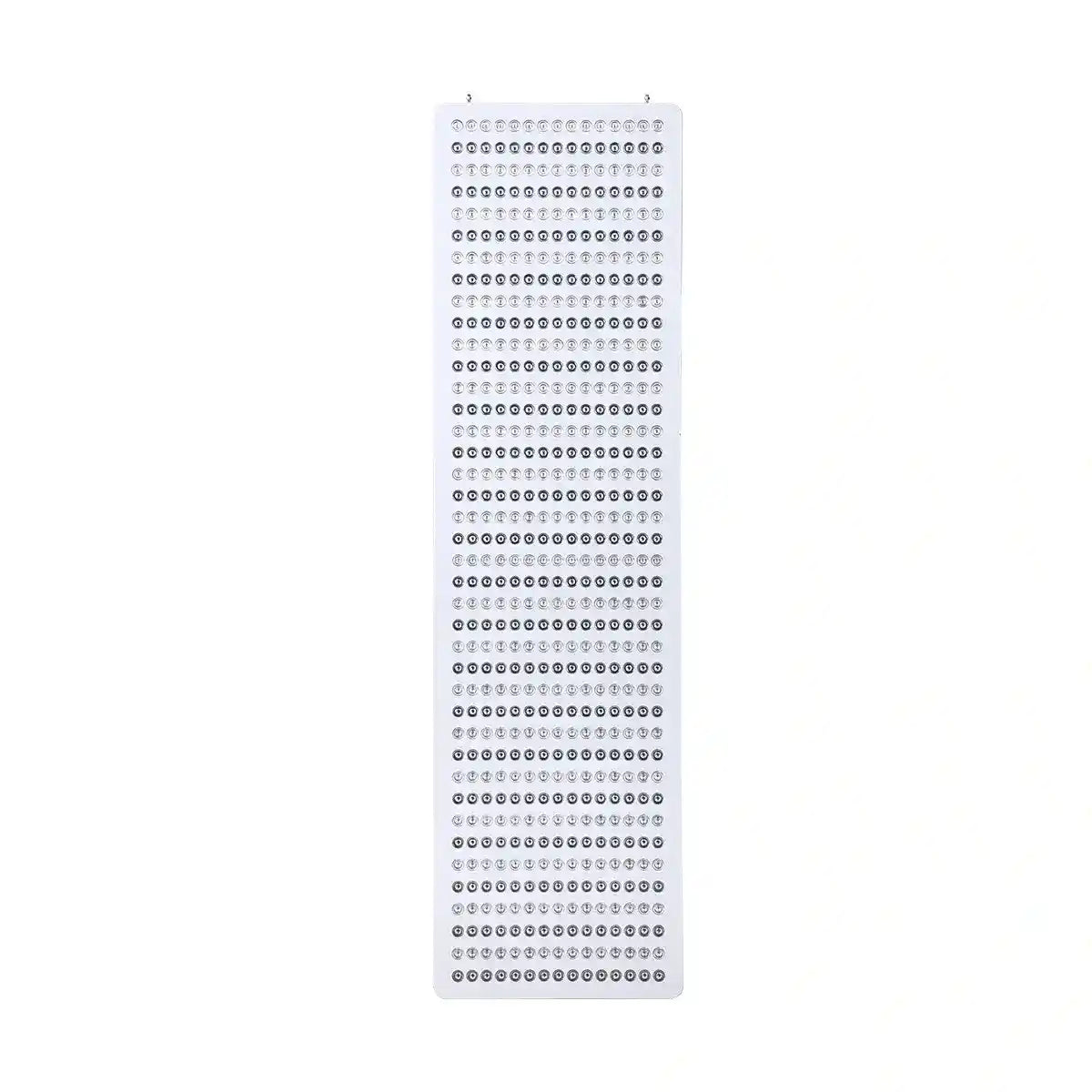
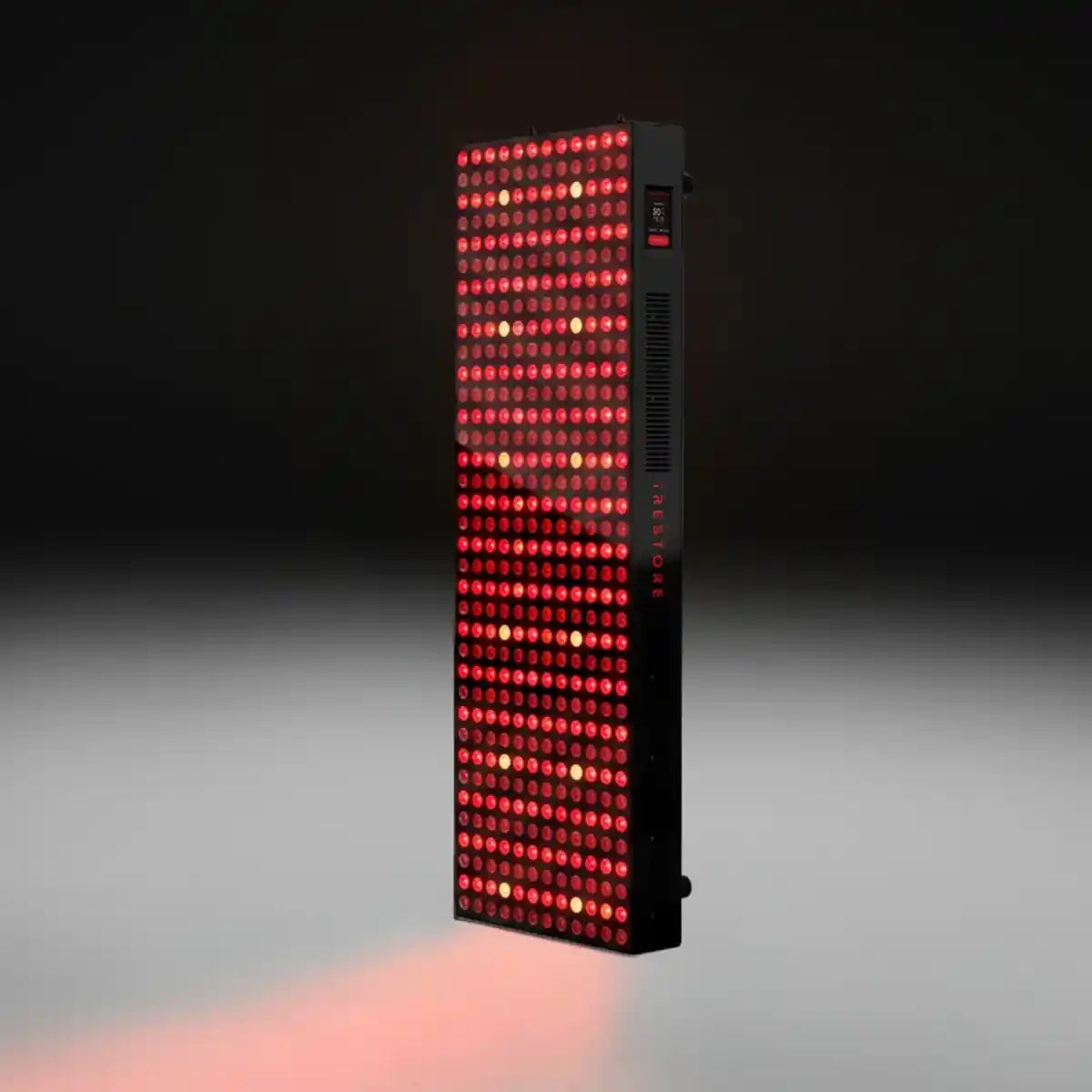
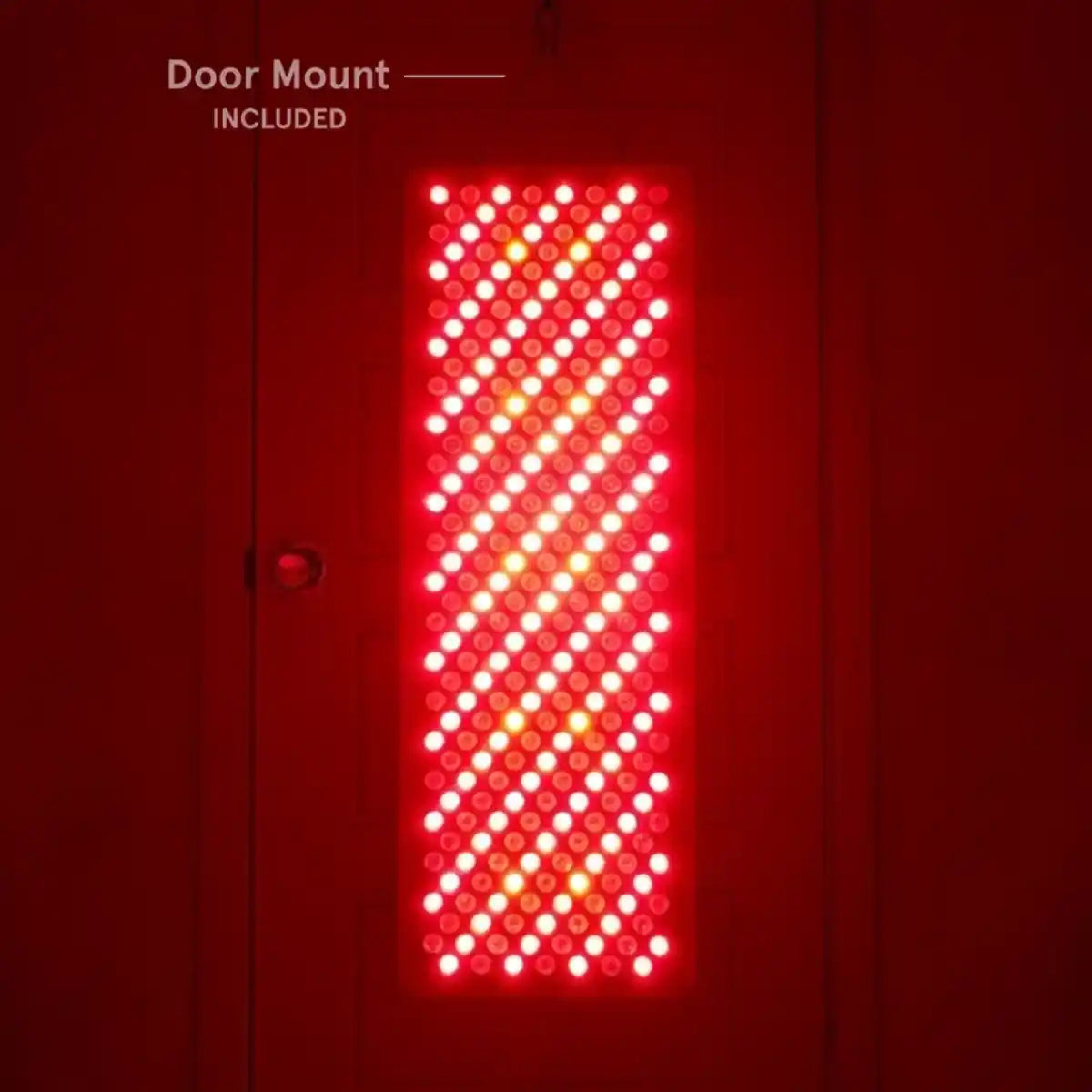
COMPARE RED LIGHT THERAPY PANELS
Compare two similarly sized premium red light therapy panels across dimensions, LED count, wavelengths, irradiance, individual wavelength control, dimming, pulsing, smart modes, controls, LED lifespan, and warranty.
Explore red light therapy panels designed for home, full-body, and professional setups. Compare models in different sizes, wavelength combinations, coverage formats, and control systems to find a panel that fits your space and intended use.
When comparing a red light panel, look beyond LED count alone. Panel size, red and near-infrared wavelengths, irradiance at a stated distance, coverage area, mounting options, and controls all affect how practical a system will be for your setup.
There is no single best red light therapy panel for every buyer. The right choice depends on how much of the body you want to cover, where the panel will be used, and how much control you want over the light settings.
A smaller panel may work well for targeted or home use, while a larger or full body red light therapy panel can cover more area without requiring as much repositioning. Professional users may also place more importance on mounting, controls, durability, and repeatable positioning between sessions.
Panel dimensions matter because they determine how much area can be illuminated at one time. A taller or wider panel generally provides broader coverage, while a smaller panel may require repositioning between areas. Also consider how the panel will be positioned. Depending on the model, mounting options may include wall mounting, door mounting, vertical stands, horizontal stands, or multi-panel configurations.
Many red light therapy panels combine visible red light with near-infrared light. Common red wavelengths include approximately 630 and 660 nm, while near-infrared systems often include wavelengths such as 810, 830, and 850 nm.
Some advanced panels include additional wavelengths or allow individual wavelength channels to be adjusted separately. More wavelengths do not automatically make one panel better than another. Wavelengths should be considered together with irradiance, treatment distance, coverage, and how the panel will actually be used.
For a deeper explanation of the different wavelength ranges, see our Red Light Therapy Wavelength Guide .
Irradiance is commonly expressed in milliwatts per square centimetre (mW/cm²). It describes the light power reaching a given area, but the number is only meaningful when the measurement distance and method are also known.
For example, an irradiance reading measured directly at the panel surface should not be compared as though it were equivalent to a reading taken several inches away. When comparing red light therapy panels, review both the published irradiance value and how that value was measured.
A home red light therapy panel may prioritize a smaller footprint, straightforward controls, and flexible mounting. Larger full body red light therapy panels are designed to provide broader coverage and may include features such as touchscreen operation, app control, remote controls, adjustable intensity, pulsing, or multiple wavelength channels.
For studios, gyms, wellness businesses, and other professional environments, also consider the overall footprint, electrical requirements, mounting or stand options, warranty terms, and how easily the panel can be positioned for repeated use.
Panels are one type of red light therapy device. They typically use an open LED panel format that allows the user to position themselves at a defined distance from the light source.
If you are still comparing different equipment formats, browse our broader Red Light Therapy Devices collection.
For dedicated bed and pod formats, explore our Red Light Therapy Beds collection.
There is no single distance that applies to every red light therapy panel. Recommended distance can vary by model, output level, treatment mode, and manufacturer instructions.
Do not assume that the distance used for an irradiance measurement is automatically the recommended treatment distance. Check the operating guidance for the exact panel you are using and follow the manufacturer's safety instructions.
Session length depends on the panel, distance from the light, intensity setting, and the manufacturer's recommended protocol. A panel having a 30-minute timer does not mean every session should automatically last 30 minutes.
For example, the iRESTORE Apex 2160 manual recommends starting with shorter sessions and increasing gradually based on distance and comfort. Always follow the instructions for the exact model rather than using one session length for every panel.
Recommended frequency varies by manufacturer and device. The correct schedule can also depend on the panel settings, session length, distance, and intended use.
For example, iRESTORE's Apex 2160 manual recommends use up to 2–4 times per week. Other manufacturers may provide different guidance, so follow the instructions supplied with the specific red light therapy panel you choose.
Eye-protection requirements depend on the panel and how it is being used. Manufacturers may provide specific instructions for sessions involving the face, head, or direct exposure toward the eyes.
For example, the iRESTORE Apex 2160 manual strongly recommends using the supplied protective goggles when treating near the head and advises avoiding direct eye exposure. Review the safety instructions for your exact panel before use.
No. A light appearing red does not tell you its wavelength, irradiance, beam characteristics, or intended operating distance. These specifications matter when comparing purpose-built red light therapy equipment.
Red light therapy panels publish defined wavelengths and output specifications so buyers can understand what the device is designed to deliver. If you want to understand the wavelength numbers commonly used in these panels, see our Red Light Therapy Wavelength Guide.
A red light therapy panel is an open light source positioned at a specified distance from the body. Depending on its size, it can be used for targeted, partial-body, or larger-area exposure.
A red light therapy mask is a wearable device designed mainly for the face and sits much closer to the skin. Panels generally offer broader coverage and more positioning flexibility, while masks are designed for compact, face-specific use.
Support before, during and after your purchase.

Let’s Build Your Perfect Wellness Space
Not sure about sizing, delivery, electrical needs, or installation requirements?
We’re here to help you choose the right model with confidence—no pressure, no obligation. During your complimentary call, we’ll review your space, answer your questions, and help you plan the setup that fits your home or studio perfectly.
No commitment. Just guidance from a wellness-focused team.


Prefer email instead?
You can reach out with any questions about products, installation, or delivery — and our team will get back to you with clear, friendly guidance to help you move forward confidently.
Wellness Disclaimer
At My Energy Flow, our products are designed to support a more intentional lifestyle — not to diagnose, treat, cure, or prevent any disease or medical condition.
Content on this page is for general awareness only and is not intended as medical advice. Individual experiences may vary. Please consult a licensed healthcare professional before beginning any new wellness routine, especially if you are pregnant, nursing, have a pre-existing condition, or are taking medication.