
Light Therapy - What to Consider Over Time
When people start exploring light therapy, one question comes up almost immediately: How long do people usually use it before forming an opinion about the experience? It’s a fair question because when you’re investing time into a routine, you want to understand what’s realistic, what varies, and what the experience may look like over time.
The most helpful way to think about light therapy is not as a quick fix, but as a consistent wellness practice, similar to movement, sleep habits, or hydration. Some people notice how the routine feels during or after sessions early on, while other experiences tied to longer-term routines can take more time and consistency.
In this guide, we’ll walk through what influences timelines, how people describe their experience over time, and how to approach light therapy in a safe, grounded way. We’ll also share practical ways to build a routine using tools like at-home devices, a Prism Light Pod, and even pairing light therapy with heat-based rituals like an infrared sauna, depending on your preferences and lifestyle.

Table of Contents
- What is light therapy?
- Why timelines vary from person to person
- When do people typically notice changes?
- Setting realistic expectations (without losing momentum)
- How to build a light therapy routine that lasts
- Who light therapy is for (and who should be cautious)
- What most first-time buyers ask
- Final thoughts
What is light therapy?
Light therapy generally refers to using specific wavelengths of light as part of a wellness or personal care routine. In home settings, this often includes red light devices used for facial routines, targeted areas, or general wellness habits.
Some people enjoy light therapy because it feels calming and intentional, a small daily ritual that encourages consistency. Others explore it alongside broader wellness habits like movement, relaxation routines, or heat-based sessions.
Pause and reflect: What are you hoping this routine brings into your day, a calmer routine, a more consistent self-care habit, or a way to build a wellness rhythm you’ll actually stick with?
A grounded answer: Your preference helps you choose the right approach. Timelines tend to feel more realistic when you focus on the routine (what you can control) rather than chasing a single outcome.
Why timelines vary from person to person
There’s no universal timeline because people use light therapy in different ways. These factors commonly influence how people describe their experience over time:
1) Consistency
One session here and there may feel relaxing, but most routines are built on repetition. If you’re asking “How long does it take?”, a better question is often: How consistently will I use it?
2) Session length and frequency
Some people prefer short, daily sessions. Others do longer sessions a few times per week. Both can work as routines, what matters is choosing a pattern that fits your life.
3) Individual differences
Sleep, stress, hydration, skincare habits, lifestyle, and baseline wellness routines can all influence how someone experiences a routine. That’s why setting expectations around “trend over time” is more helpful than expecting a specific day-by-day result.
When do people typically notice changes?
Many people wonder if they’ll notice something immediately, or if it’s a longer-term commitment. In practice, the first things people often notice are related to routine and consistency, and then, over time, they may develop a clearer sense of whether the routine fits their preferences and lifestyle.
Rather than promising outcomes, it’s more accurate to describe common patterns people report:
- Early sessions: a calming routine, a sense of consistency, and the feeling of “doing something” intentional for yourself.
- Over a few weeks: many people report a clearer sense of whether the routine fits their lifestyle and whether they can maintain consistency.
- Longer-term routines: some people choose to continue light therapy as part of ongoing personal care or wellness habits.

Quick question: Are you looking for fast change, or are you looking for a practice you can repeat week after week?
A helpful answer: Most people find greater long-term satisfaction when they choose a routine that feels easy to maintain. Consistency tends to matter more than intensity.
Setting realistic expectations (without losing momentum)
It’s normal to want a timeline. But the biggest mindset shift is this: many people approach light therapy more sustainably when they treat it like a routine, not a one-time “solution.”
If you’re experimenting with light therapy for the first time, a practical approach is to give yourself a consistent window, enough time to determine whether you enjoy it, whether you’ll stick with it, and whether it fits into your life.
For some people, pairing light therapy with an existing wellness ritual makes it easier to stay consistent, for example, using light therapy before a shower, after a workout, or as part of a calm evening routine.
How to build a light therapy routine that lasts
The best routine is the one that feels simple enough to repeat. Here are a few practical ways people build consistency:
Start with a schedule you can maintain
Instead of aiming for “perfect,” aim for sustainable. If daily sessions feel unrealistic, choose a few days each week and protect that time.
Keep the experience frictionless
Set up your space so it’s easy to start. Many people keep devices in a visible, convenient place so sessions don’t feel like a project.
Pair it with a wellness environment
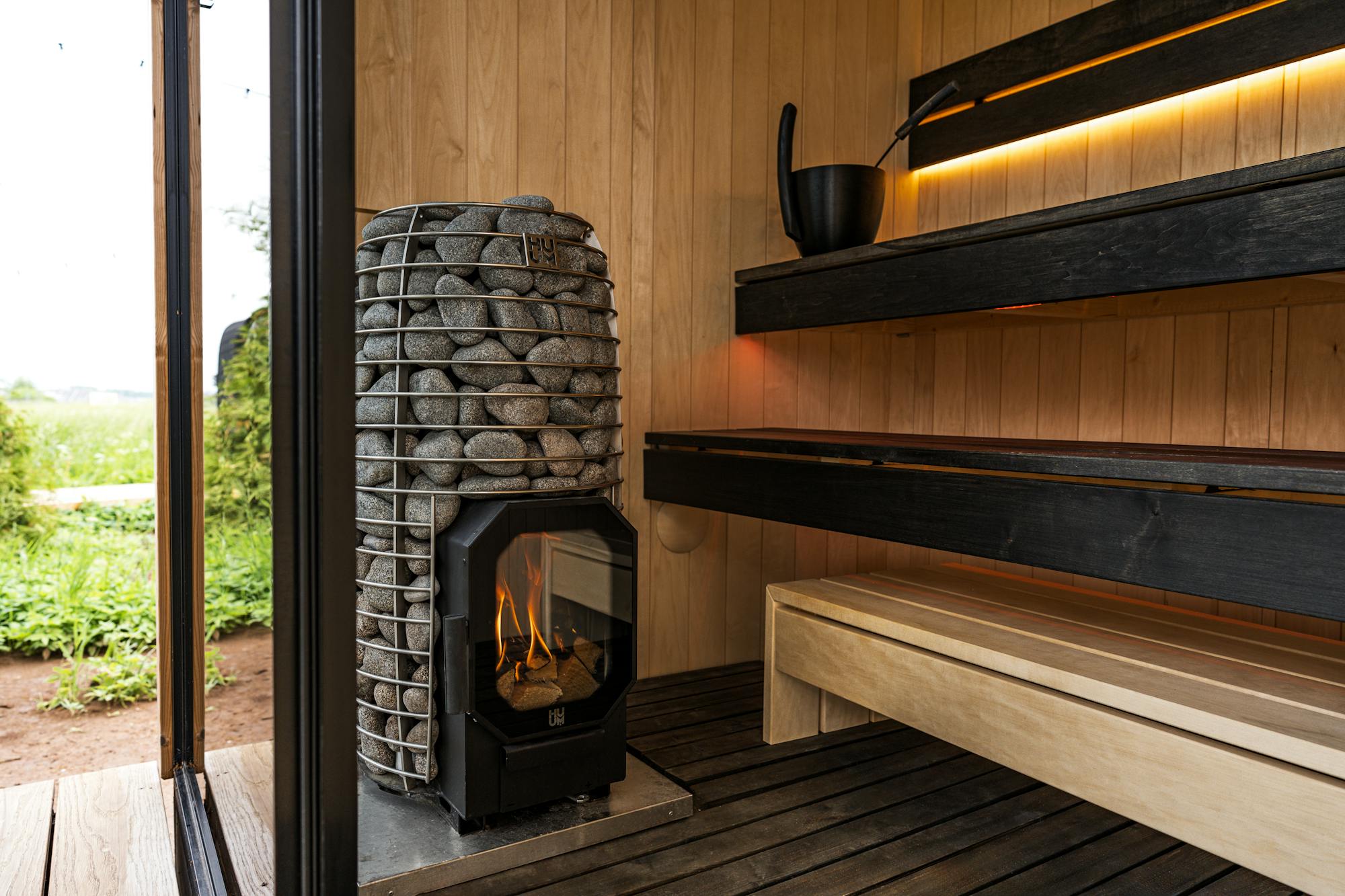
If you enjoy an immersive ritual, combining light therapy with a heat-based routine can feel comfortable and calming. If you’re exploring this approach, you can browse our infrared sauna collection for at-home options designed for consistent use.

Choose tools that match your preferences
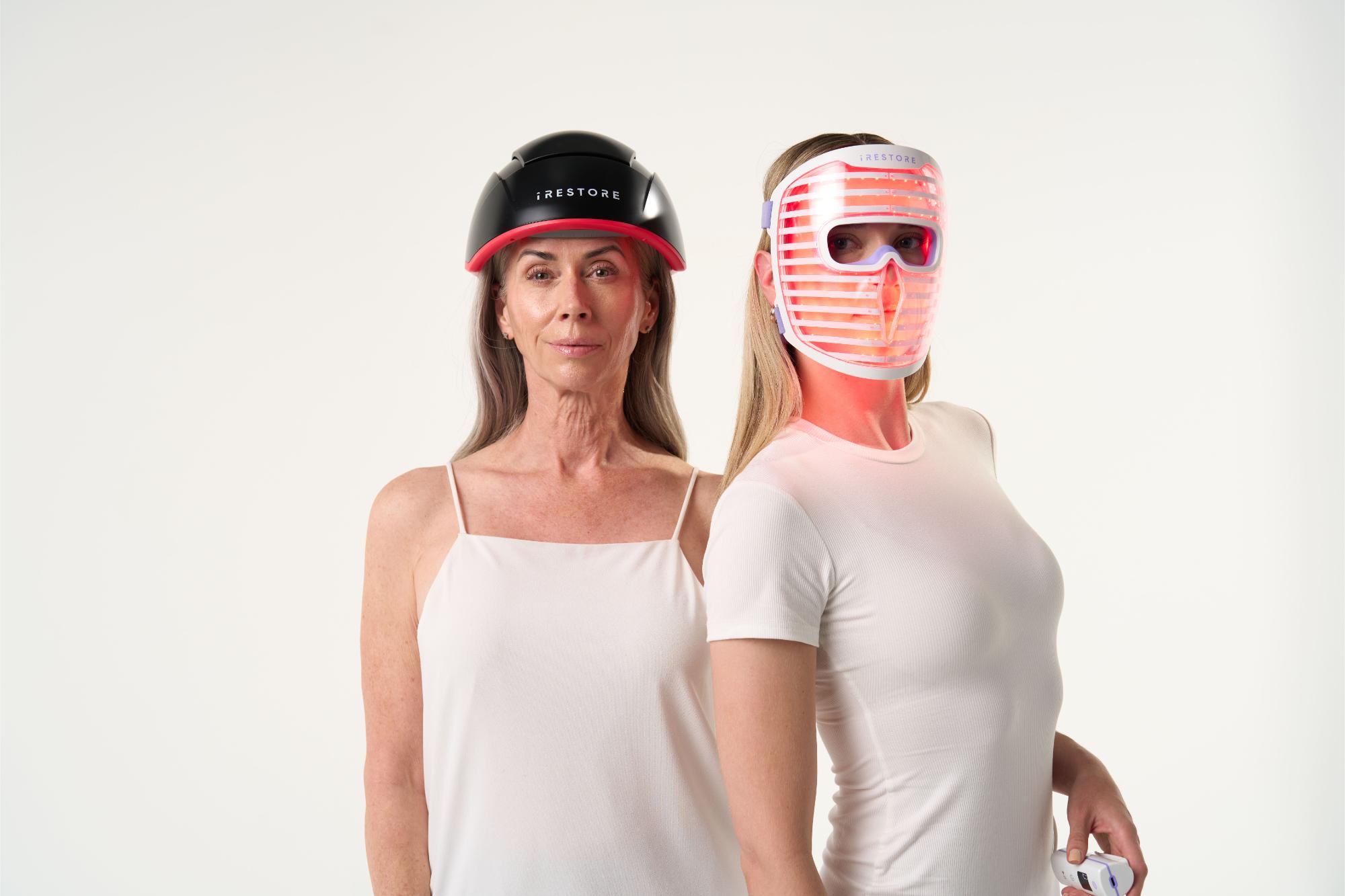
Some people prefer a compact, integrated device they can use consistently. For a streamlined at-home experience, explore the Prism Light Pod. If you’re specifically looking for iRestore options, you can browse our iRestore collection to compare available models.
Who light therapy is for (and who should be cautious)
Light therapy is commonly explored as a wellness and personal care practice. However, it may not be appropriate for everyone.
Light therapy may be a good fit if you:
- Want a consistent, calming self-care routine
- Prefer habits you can repeat at home
- Like structured wellness rituals
You should be cautious and seek guidance first if you:
- Have medical concerns or are under active medical care
- Take medications that may affect sensitivity to light or heat
- Are unsure whether light therapy is appropriate for you personally
If you have questions about usage, setup, or shopping guidance, our FAQ page is a great place to start.
What most first-time buyers ask
“How do people usually evaluate their experience?”
For many people, the first indicator is whether the routine feels enjoyable and sustainable. If you can keep it consistent, you’ll be able to evaluate your experience more clearly over time.
“Should I do longer sessions for a different experience?”
Not necessarily. Many people do best when they start gently and build consistency. Comfort and sustainability matter.
“What if I miss days?”
That’s normal. The goal is a routine you can return to without pressure, not perfection.
Final thoughts
So, how long does it take light therapy to become part of your routine? People approach these routines differently, and experiences vary over time.
When light therapy becomes part of a weekly rhythm, many people find the greatest value is the routine itself: a quiet moment, a calming environment, and a consistent way to invest in your own self-care.
If you’d like to learn more about the My Energy Flow approach and what we’re building, visit Our Story.

Where to go next
Learn how we approach at-home wellness
Discover the philosophy behind My Energy Flow, and how we think about sustainable, realistic wellness routines without pressure, hype, or shortcuts.
Explore infrared saunas for home routines
Browse at-home sauna options designed for comfort and consistency, and explore how some people pair warmth with light-based rituals.
Explore iRestore devices
Compare iRestore options to see which device format best fits your space and the kind of routine you’re most likely to maintain.
Have questions before taking the next step?
Visit our FAQ to learn about setup, usage, and what to expect before and after purchase.
Note: This content is for informational purposes only. Individual experiences vary. For personal guidance, consult a qualified professional.
Disclaimer: This content is for informational and educational purposes only and is not intended as medical advice. The information shared reflects general wellness and lifestyle perspectives and should not be used to diagnose, treat, cure, or prevent any condition. References to potential benefits, timelines, or outcomes are general in nature and may vary from person to person. Always consult a qualified healthcare professional before making changes to your health or wellness routine.
Products and modalities discussed are intended for general wellness and lifestyle use only. Product use and installation are undertaken at the user’s discretion, and local codes, regulations, and requirements may vary. While we strive to keep information accurate and up to date, My Energy Flow makes no representations or warranties regarding completeness or applicability.

Reviewed by My Energy Flow

Leave a comment
This site is protected by hCaptcha and the hCaptcha Privacy Policy and Terms of Service apply.