
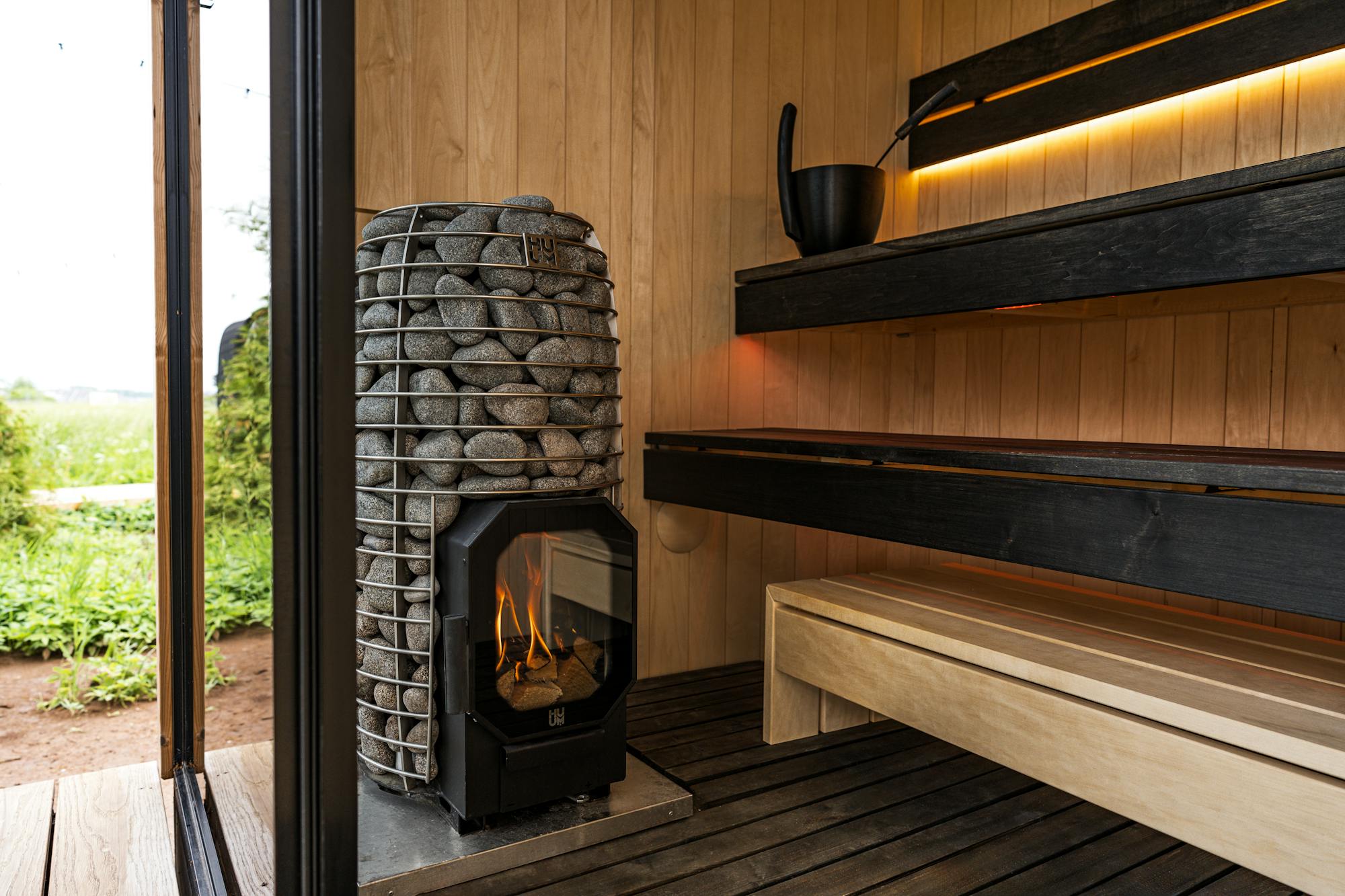
Sauna Electrical Requirements - 120V vs 240V + Installation & Safety
Installing a sauna is one of the most impactful wellness upgrades you can make at home — but before heat, steam, or infrared heat sessions ever begin, sauna installation starts with proper electrical planning.
Whether you’re installing an infrared sauna indoors, a traditional electric sauna in the basement, or an outdoor barrel sauna in your backyard, understanding voltage requirements, breaker sizing, wiring conditions, and safety standards is critical for function, product lifespan, and peace of mind.
This guide walks you through everything you need to know about sauna electrical requirements in North America — including 120V vs 240V loads, GFCI protection, indoor vs outdoor wiring, DIY planning considerations, and when to involve a licensed electrician.
If you’re still early in the process, we recommend starting with our Best Home Sauna Buying Guide, which covers sauna types, sizing, and placement before diving into electrical specifics.

Table of Contents
- Why Electrical Planning Matters in Sauna Installation
- Understanding 120V vs 240V Sauna Loads
- Breaker, Amperage, and Circuit Safety
- Indoor vs Outdoor Sauna Wiring Conditions
- Control Panels and Smart Sauna Systems
- DIY Sauna Kit vs Contractor Installation
- Cost to Set Up Sauna Electrical
- Final Safety Checklist
Why Electrical Planning Matters in Sauna Installation
Saunas are high-heat environments that draw sustained electrical loads for extended periods. Improper wiring, undersized breakers, or incorrect voltage can lead to nuisance tripping, poor heat performance, shortened equipment lifespan, or serious safety risks.
This is especially important when installing larger units such as traditional saunas, barrel saunas, or multi-person models found in our 4-person, 5-person, and 6-person sauna collections.
Understanding 120V vs 240V Sauna Loads
120V Sauna Installations
Most 120V sauna installations are limited to:
- Small infrared saunas
- Portable or plug-and-play units
- Low-wattage single-person models
These units typically plug into a standard household outlet and draw between 12–15 amps. They are commonly used for 1-person saunas and compact setups in condos or apartments.
You can explore suitable options in our Infrared Sauna Collection.
240V Sauna Installations
Most traditional and higher-performance saunas require 240V electrical service. This includes:
- Electric traditional sauna heaters
- Outdoor cabin and barrel saunas
- Multi-person infrared saunas
These are most commonly found in indoor sauna installations and outdoor sauna setups, where higher heat output and faster warm-up times are desired.
Breaker, Amperage, and Circuit Safety
Correct breaker and amperage sizing is one of the most important elements of safe sauna installation.
- Small infrared sauna: 15–20 amps (120V)
- Mid-size infrared sauna: 20–30 amps (240V)
- Traditional electric heater: 30–60 amps (240V)
Heater size is closely tied to the sauna's effective room volume, and glass or other non-insulated surfaces can change the heating requirement. Before finalizing the circuit, use our Sauna Heater Size Calculator to estimate the adjusted sauna volume and compare heater sizing guidance. If you are still deciding on the room itself, our Sauna Size Buying Guide is another useful planning resource.

Indoor vs Outdoor Sauna Wiring Conditions
Indoor Sauna Installation
Indoor sauna wiring typically runs through finished walls or ceilings and must account for ventilation, heat clearance, and access to control panels.
Indoor installations are common for infrared saunas and traditional electric saunas installed in basements, home gyms, or wellness rooms.

Outdoor Sauna Installation
Outdoor sauna wiring must withstand environmental exposure. This applies to barrel saunas, cabin-style saunas, and other outdoor structures.
Outdoor builds often require buried conduit, weather-rated disconnects, and additional grounding.
Control Panels and Smart Sauna Systems
Modern saunas — particularly premium indoor and outdoor models — often include digital control panels that allow temperature scheduling and session timing.

DIY Sauna Kit vs Contractor Installation
Many customers exploring indoor sauna kits or outdoor sauna kits ask whether electrical work can be done DIY.
While sauna kits simplify assembly, electrical connections — especially 240V systems — should always be completed by a licensed electrician.
Cost to Set Up Sauna Electrical
Electrical installation costs vary based on sauna size, heater type, and distance from the electrical panel.
- 120V infrared sauna: $0–$300
- 240V indoor sauna: $800–$2,000
- 240V outdoor sauna: $1,500–$4,000+
Electrical work is only one part of the total project budget. Use our Sauna Cost Calculator to estimate the sauna, heater, electrical work, installation and site preparation together. For more detailed cost context, see our Sauna Cost & ROI Guide.
Final Safety Checklist
- Dedicated circuit installed
- Correct breaker and amperage confirmed
- GFCI protection where required
- Ventilation openings unobstructed
- Control panels tested
If you need help choosing the right sauna or planning your installation, explore our Sauna FAQ or reach out via our Contact Us page.
You can also learn more about our approach to quality, service, and long-term support on our Why Buy From Us and Price Match Guarantee pages.
When electrical planning is done right, your sauna becomes a safe, reliable, and deeply restorative part of your home for years to come.
Editorial note: My Energy Flow publishes content for general educational and product-research purposes. We aim to keep product specifications, technical information and referenced research accurate and current, but details may change over time. Always confirm current manufacturer documentation and applicable local requirements before purchasing, installing or using a product.
Health and wellness information is general in nature and is not a substitute for personalized medical advice from a qualified healthcare professional.




Leave a comment
This site is protected by hCaptcha and the hCaptcha Privacy Policy and Terms of Service apply.