
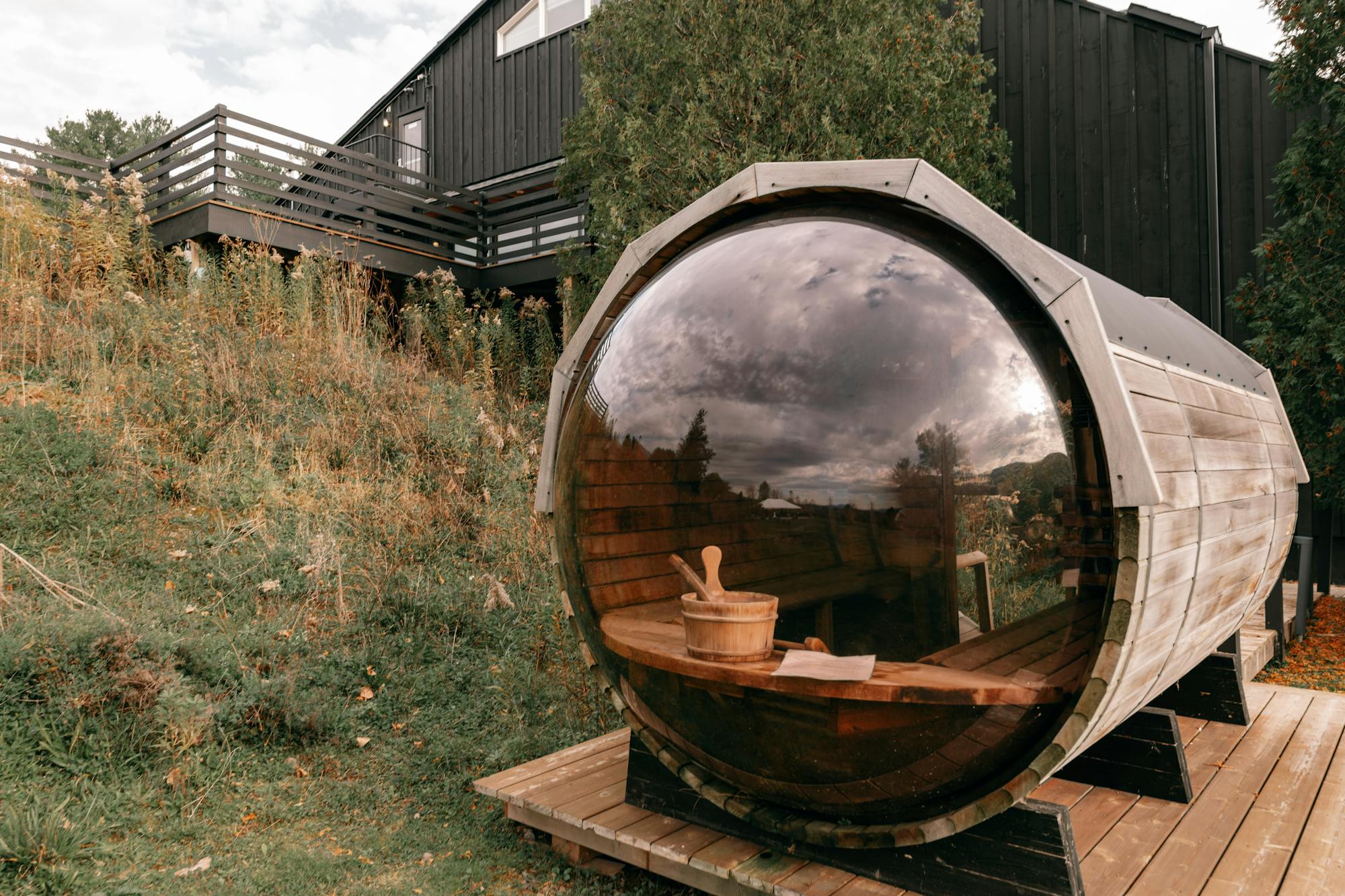
Indoor Saunas vs Outdoor Sauna — Which Sauna Type Is Better for Your Home?
If you are choosing between an indoor sauna and an outdoor sauna, you are already ahead of most buyers. The real question is not “Which one is better?” — it is “Which one is better for your home, your climate, and your lifestyle?”
This guide walks you through the key differences between indoor and outdoor saunas, using real-world considerations like space, installation, weather, privacy, and long-term maintenance. By the end, you will have a clear sense of whether your future sauna belongs in a spare room, bathroom, or basement — or in your backyard overlooking the trees.


Quick Summary: Indoor Sauna vs Outdoor Sauna
Here is a high-level comparison if you want the short version before diving into the details:
| Factor | Indoor Sauna | Outdoor Sauna |
|---|---|---|
| Best for | Condos, townhomes, basements, bathrooms, small homes | Backyards, cottages, country properties, homes with larger lots |
| Common Types | Infrared saunas, compact cabin saunas, 1–3 person models | Barrel saunas, outdoor cabin saunas, 3–6 person family saunas |
| Space Requirements | Uses existing finished space; must consider ceiling height and clearances | Requires level base or deck, outdoor electrical run, and weather exposure planning |
| Climate & Weather | Unaffected by seasons; stable year-round environment | Weather and temperature impact pre-heat times; insulation and wood choice matter |
| Experience | Convenient, private, spa-like daily ritual | Immersive, nature-connected, “cabin getaway” feeling in your own backyard |
If you are still on the fence, keep reading. We will look at how indoor saunas and outdoor saunas differ in installation, space planning, electrical requirements, climate considerations, and overall lifestyle fit.
When an Indoor Sauna Makes the Most Sense
An indoor sauna is often the best choice if you live in a condo, townhome, or suburban house where the backyard is small or heavily shared, or if you want the most convenient daily routine possible.

1. Space You Already Control
Indoor models like the compact 2–3 person cabin saunas or a 1-person infrared cabin can often fit into:
- A spare bedroom or home office
- A corner of the basement or rec room
- A large primary bathroom
- A wellness room with other modalities such as red light therapy
Because the space is already insulated and finished, you are not battling rain, snow, or direct sun. For many homeowners, this makes an indoor sauna the easiest way to integrate daily heat sessions into their life.
2. Stable Temperatures & Faster Warm-Up
Indoor saunas sit inside your home’s conditioned envelope, which means the starting temperature is already relatively stable. This is especially helpful with an infrared indoor sauna, where panels like those used in Finnmark Designs models create comfortable warmth efficiently without needing to overcome freezing outdoor air first.
If you live in a very cold climate but do not want to walk outside in winter to reach your sauna, an indoor install usually wins.
3. Privacy and Year-Round Convenience
With an indoor sauna, you can step in:
- Early in the morning before the household wakes up
- Late in the evening without going outdoors
- Between meetings if you work from home
There is no need to put on shoes or a coat, shovel snow, or think about what the neighbors might see from their windows. For many people, that convenience is what actually ensures consistent use.
4. Ventilation and Moisture Control
With an indoor sauna you do need to think about moisture management, especially if you plan to use a traditional sauna with steam. Your installer will usually recommend:
- Proper exhaust or passive ventilation
- Moisture-resistant finishes in the surrounding room
- Clearances around the heater and ceiling height checks
Modern sauna cabins and traditional sauna kits are designed with ventilation channels built in, so most homeowners simply follow manufacturer guidance and local code.
When an Outdoor Sauna Is the Better Fit
An outdoor sauna turns your backyard into a retreat. If you have the space and want to create a “mini cottage” or spa feel at home, an outdoor model is often the most rewarding choice.

1. A Dedicated Backyard Escape
Outdoor saunas work beautifully when you have:
- A yard with room for a barrel sauna or cabin sauna
- A cottage property where you want a year-round wellness hub
- A quiet corner of the garden that you would like to transform into a sanctuary
Because they are separate from the house, outdoor models create a clear separation from daily routines: when you walk out to the sauna, you are leaving regular life behind for a dedicated ritual.
2. Immersive Nature & Fresh Air
Many people specifically choose an outdoor sauna so they can:
- Step outside between rounds for crisp, fresh air
- Combine sauna with cold showers, snow rolls, or a plunge pool
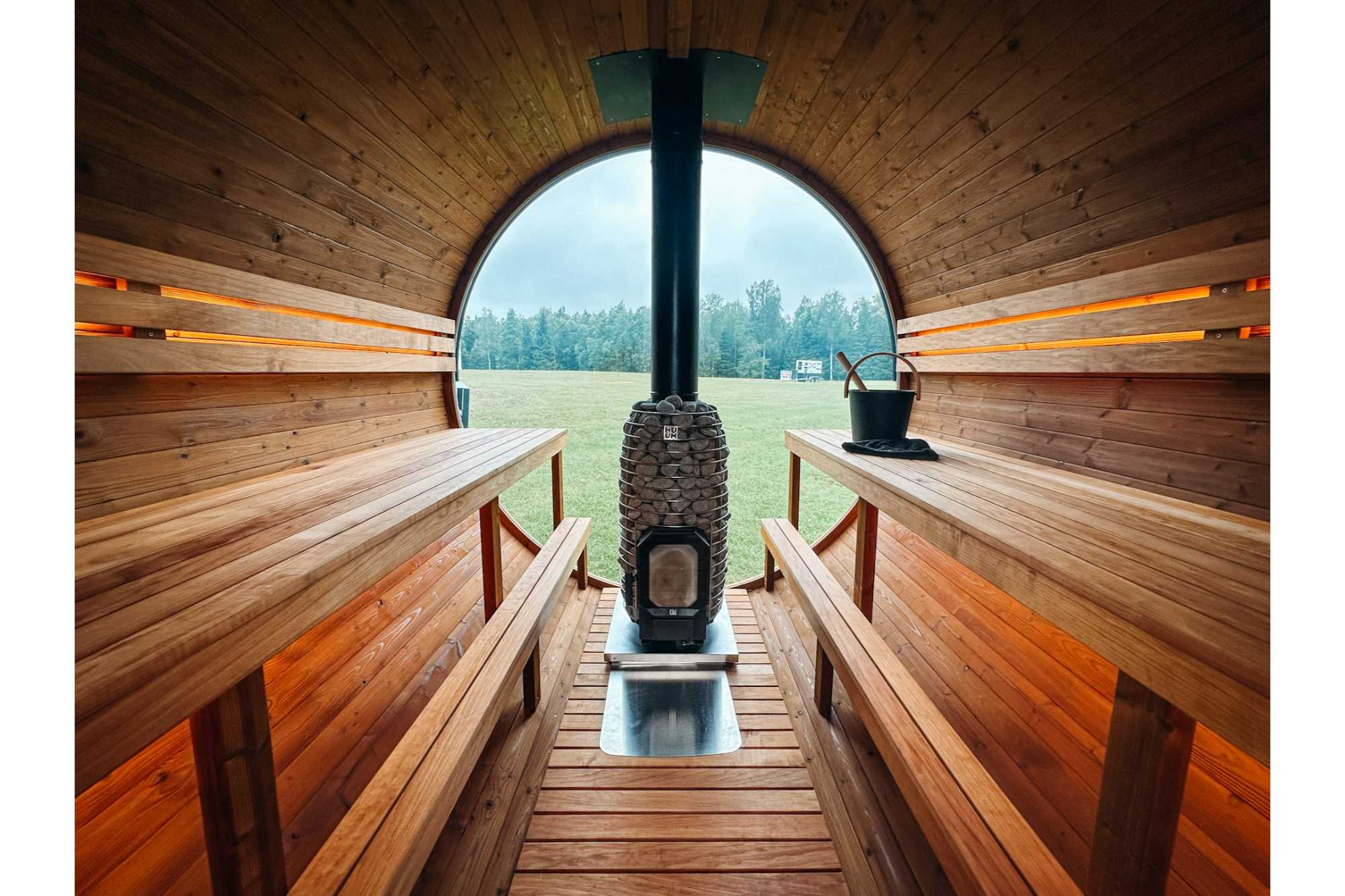
- Enjoy forest, garden, or water views from panoramic windows
Outdoor designs like the Leisurecraft Harmony barrel sauna or Scandinavian-style cabins can become architectural features in your yard, especially when paired with good lighting and landscaping.

3. Freedom With Wood-Burning Heaters
Although some indoor spaces can safely accommodate a wood-burning heater, outdoor saunas are naturally better suited for it because venting and clearances are simpler. Many outdoor cabins and barrels are paired with a compact wood stove, creating that authentic crackling, high-heat experience.
If you are dreaming of a traditional wood-fired sweat with plenty of steam, an outdoor sauna equipped with a suitable heater is often the most straightforward route.
4. Weather, Insulation & Foundations
Outdoor saunas live in the elements, so planning matters. You will want to consider:
- A level base or small deck built from concrete pads, pavers, or pressure-treated wood
- Weather-treated exterior cladding and roofing
- Insulation upgrades if you live in very cold climates
- Snow load, wind exposure, and drainage around the structure
Quality outdoor saunas are engineered for these conditions, but choosing the right model for your climate is key.
Indoor vs Outdoor: Space, Layout & Lifestyle Fit
Indoor Sauna Space Planning

For an indoor sauna, you will want to check:
- Ceiling height: most traditional electric heaters require around 7 ft (2.1 m) or more.
- Clearances: manufacturers will specify distance from walls, ceiling, and non-combustible surfaces.
- Door swing and traffic flow: make sure the door does not block another fixture when open.
- Ventilation: many cabins have dedicated intake and exhaust vents that must not be blocked.
If your goal is a compact, efficient daily ritual, a 1–2 person indoor sauna often works beautifully. For larger households, a 3–4 person indoor cabin can still be realistic if you have a spare room or larger basement.
Outdoor Sauna Space Planning
With an outdoor sauna, you are designing more of a small building:
- Foundation/base: paver pads, concrete, or a small raised deck all work well.
- Access: consider the path to the sauna in winter and at night, and plan lighting accordingly.
- Privacy: look at neighboring windows and sightlines; fences, screens, and plantings help.
- Views: many people orient a barrel or cabin to face trees, water, or garden features.
Outdoor saunas tend to work best for 3–6 person layouts. If your family or friend group will be using the sauna together, this extra space can make the outdoor route more appealing.
Electrical & Installation Considerations
Whether indoor or outdoor, most modern electric heaters require a dedicated circuit and professional installation. Broadly:
- Indoor sauna: wiring is usually run through existing walls or conduit from your main panel.
- Outdoor sauna: you will likely need an electrician to trench or run exterior-rated conduit from your house to the sauna.
Local electrical codes and the specific heater size will dictate exact requirements. For more detail, you can dive into the dedicated Sauna Electrical Requirements Guide once you have narrowed down your preferred style.
Climate, Seasons & How You Like to Use Heat
Your local climate plays a big role in whether an indoor sauna or backyard sauna feels more practical.
If You Live in a Cold or Snowy Climate
- Indoor saunas offer predictable pre-heat times and easy access without going outside.
- Outdoor saunas can still be wonderful in winter, but you will want to plan your path, base, and insulation carefully.
- Many people enjoy pairing an outdoor cabin sauna with snow rolls or a cold plunge tub for contrast.
If You Live in a Mild or Warmer Climate
- Outdoor saunas may only need modest insulation and can stay comfortable most of the year.
- Indoor saunas still work well but may require good ventilation, especially in humid regions.
If you are unsure which way to go, the broader Best Home Sauna Buying Guide ties together size, heater type, and installation location so you can zoom back out and see the full picture.
Maintenance & Longevity
Both indoor and outdoor saunas can last many years when cared for properly. The maintenance focus is simply different.
Indoor Sauna Care
- Regularly wipe down benches and backrests after use.
- Allow the sauna to dry fully with the door open between sessions.
- Use sauna-safe cleaners and avoid harsh chemicals.
Because the structure is not exposed to rain or snow, the main goal is cleanliness, ventilation, and respecting heater service intervals. You can find more detailed routines in the dedicated Sauna Maintenance Guide.
Outdoor Sauna Care
- Inspect exterior cladding, roofing, and trim yearly for wear.
- Re-treat or stain the exterior wood as recommended by the manufacturer.
- Check around the base for proper drainage so water does not pool near the structure.
Inside, maintenance is very similar to an indoor unit. Outside, you are simply tending to the small building like you would a deck, shed, or cabin.
Cost & Value: Indoor vs Outdoor
Costs vary widely depending on size, heater type, and whether you are choosing a DIY kit or a custom build. Generally:
- Indoor saunas can be very cost-effective in smaller sizes, especially 1–2 person infrared cabins.
- Outdoor saunas may involve higher upfront investment for the structure, foundation, and electrical run, but often deliver a larger footprint and strong lifestyle value.
If operating cost is a concern, the Sauna Cost & ROI Guide breaks down power usage, typical electricity consumption, and how to think about long-term value in a grounded, numbers-based way.
Real-World Scenarios: Which Sauna Fits Your Life?
Scenario 1: Condo or Townhome Owner
You have limited outdoor space, share walls with neighbors, and want a quiet daily ritual without leaving your unit. In most cases, a compact indoor infrared sauna is the best fit. A 1–2 person model can tuck into a spare room or large bathroom and run from a dedicated electrical circuit.
Scenario 2: Family Home With a Backyard
Your household includes partners, kids, or extended family, and you like to gather together. A backyard sauna becomes a shared experience and a focal point. A 4–6 person outdoor barrel or cabin sauna lets everyone sit comfortably, and the walk through the yard becomes part of the ritual.
Scenario 3: Cottage or Secondary Property
You have a cottage or country property and want a robust, authentic experience that fits the landscape. A wood-fired outdoor sauna near the water or forest often feels like the natural choice and can become a long-term gathering spot for guests and family.
Frequently Asked Questions
Is an indoor sauna or outdoor sauna easier to install?
For smaller sizes, an indoor infrared or traditional cabin is often simpler because you are working within existing walls and do not need to build a separate foundation. Larger outdoor saunas require more planning up front but are still straightforward with a good kit and a qualified electrician.
Which is better for resale value?
Both can add perceived value, especially in wellness-conscious markets. An attractive outdoor sauna can function like an upgraded outdoor living feature, while a well-placed indoor sauna may appeal to buyers who want a home spa. Because every market is different, it is best to view a sauna primarily as a lifestyle investment for you and your family.
Can I move my sauna if I relocate?
Many prefab cabins and sauna kits can be disassembled and re-installed, though it does take time and planning. Infrared indoor cabins and some barrel saunas are more portable than fully custom builds.
Bringing It All Together

Choosing between an indoor sauna and an outdoor sauna is really about choosing the ritual you want in your life. Do you picture a quick, private session after work in a warm, quiet room inside the house? Or do you imagine stepping outside, seeing the sky, and walking across the yard to a glowing barrel or cabin sauna?
If you would like to explore specific styles next, you can browse:
- Indoor saunas for compact, convenient installs
- Outdoor saunas for backyard and cottage retreats
- Barrel saunas if you love the Scandinavian outdoor look
- Cabin saunas for a more traditional architectural feel
For more specific decision support, you can also dive into:
- Sauna Size Buying Guide to choose the right capacity
- Sauna Heater Buying Guide to compare electric, wood-burning, and infrared options
- Sauna FAQ for quick answers to common installation and usage questions
If you have detailed questions about your space, electrical setup, or which model fits your home best, you can always reach out through the Contact Us page. Our goal is to help you choose a sauna that feels aligned with your space, your lifestyle, and the way you want to create a calming routine at home.
Editorial note: My Energy Flow publishes content for general educational and product-research purposes. We aim to keep product specifications, technical information and referenced research accurate and current, but details may change over time. Always confirm current manufacturer documentation and applicable local requirements before purchasing, installing or using a product.
Health and wellness information is general in nature and is not a substitute for personalized medical advice from a qualified healthcare professional.



Leave a comment
This site is protected by hCaptcha and the hCaptcha Privacy Policy and Terms of Service apply.