

Sauna Cost Guide: Operating Costs, Power Use & Value Overview
When people search for sauna cost, they’re rarely asking about price alone. What they’re really trying to understand is whether owning a sauna makes sense long-term — financially, practically, and emotionally. This guide breaks down the overall cost of owning a sauna, including energy usage, monthly operating expenses, and how infrared and traditional saunas compare over time.
If you’re still deciding which type of sauna fits your home, start with our Best Home Sauna Buying Guide, then return here to understand the numbers behind your choice.

Table of Contents
- Initial Sauna Purchase Cost
- Energy Usage Per Sauna Session
- Infrared vs Traditional Sauna Costs
- Monthly Household Electricity Impact
- Outdoor Saunas & Insulation Impact
- Return on Investment (ROI)
- How to Reduce Sauna Operating Costs
- Is a Sauna Worth the Cost?
Initial Sauna Purchase Cost
The first component of sauna cost is the upfront investment. Pricing varies based on sauna type, size, materials, heater technology, and whether the unit is designed for indoor or outdoor use.
| Sauna Type | Typical Price Range | Notes |
|---|---|---|
| Infrared Sauna | $2,500 – $6,500 | Lower electrical requirements, fast warm-up |
| Traditional Indoor Sauna | $3,500 – $8,500 | Higher heat, steam capability |
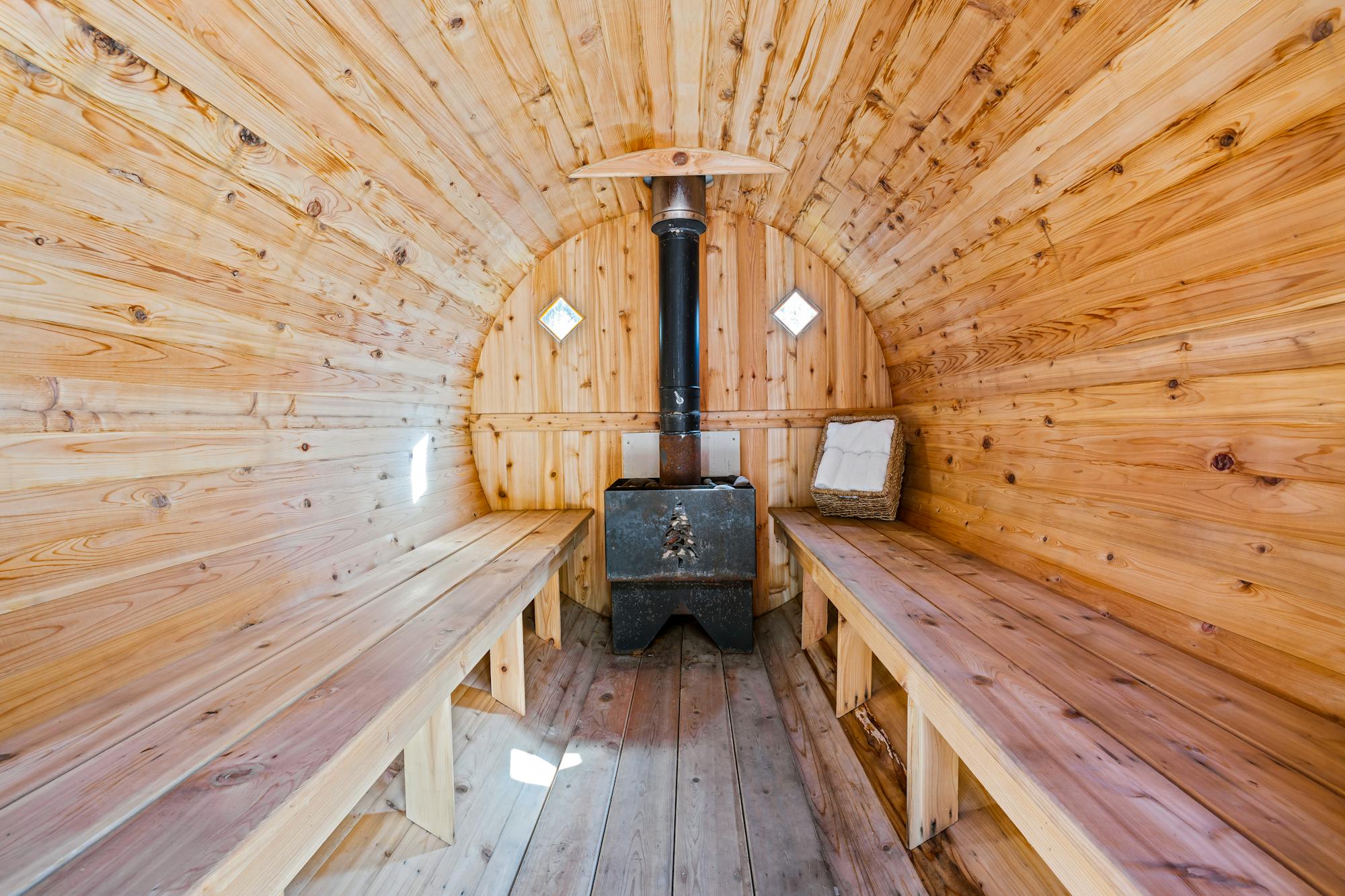
| Outdoor Sauna (Barrel or Cabin) | $6,000 – $15,000+ | Weather-rated materials, thicker insulation |
You can browse current models across our infrared saunas, traditional saunas, and barrel sauna collections.
Energy Usage Per Sauna Session
The most common concern after purchase price is how much electricity a sauna consumes per use. In reality, many modern saunas are often more efficient than expected.

Infrared Sauna Energy Use
Infrared saunas typically draw between 1.5–2.5 kW. Infrared saunas use a different heat approach, so air temperatures are typically lower and warm-up times are short — often under 15 minutes.
Estimated cost per 40–45 minute session:
$0.30–$0.60 depending on local electricity rates.
Traditional Sauna Energy Use

Traditional electric sauna heaters generally range from 4.5–9.0 kW. They require longer preheating (30–45 minutes), but once temperature is reached, the heater cycles on and off to maintain heat.
Estimated cost per session:
$0.75–$1.50 depending on heater size and session length.
Infrared vs Traditional Sauna Cost Comparison
| Factor | Infrared Sauna | Traditional Sauna |
|---|---|---|
| Warm-Up Time | 10–15 minutes | 30–45 minutes |
| Energy Draw | Low | Moderate |
| Monthly Cost (4–5 sessions/week) | $12–$25 | $25–$50 |
| Steam Capability | No | Yes (water on stones) |
For a deeper technical comparison, see our Infrared vs Traditional Sauna Guide.
Monthly Household Electricity Impact
Even with frequent use, many households find that sauna usage adds roughly the same electricity cost as running a dishwasher several times per week. The actual increase depends on:
- Heater wattage
- Session length
- Local utility rates
- Insulation quality

Outdoor Saunas & Insulation Impact
Outdoor saunas experience more heat loss due to wind and ambient temperature. However, modern outdoor saunas use thicker staves, insulated roofs, and weather-resistant construction to maintain efficiency.

If you’re comparing indoor versus outdoor installations, our Indoor vs Outdoor Sauna Guide covers placement and climate considerations in depth.
Return on Investment (ROI)
Beyond energy cost, value considerations can include time, convenience, and routine. Many homeowners may reduce visits to:
- Gym sauna memberships
- Spa visits
- External wellness spaces
At just three sessions per week, a home sauna may help reduce ongoing spending depending on usage.
How to Reduce Sauna Operating Costs
- Choose the correct sauna size (see Sauna Size Guide)
- Use timers and smart controls
- Seal doors and vents properly
- Maintain heater efficiency (see Sauna Maintenance Guide)
Is a Sauna Worth the Cost?
For many households, a well-chosen sauna can support a consistent wellness routine at a predictable, manageable cost. Compared to recurring external expenses, it can be a practical long-term addition for many households.

If you have questions, visit our Sauna FAQ, learn why customers choose My Energy Flow, or contact our team for guidance.
Editorial note: My Energy Flow publishes content for general educational and product-research purposes. We aim to keep product specifications, technical information and referenced research accurate and current, but details may change over time. Always confirm current manufacturer documentation and applicable local requirements before purchasing, installing or using a product.
Health and wellness information is general in nature and is not a substitute for personalized medical advice from a qualified healthcare professional.


Leave a comment
This site is protected by hCaptcha and the hCaptcha Privacy Policy and Terms of Service apply.