
Infrared vs Traditional Sauna — Which Sauna Type Is Right for You?
When people start shopping for a sauna, this is one of the first big questions: “Should I buy an infrared sauna or a traditional sauna?”
Both options can create relaxation-focused routines and calming post-workout rituals, but they create very different experiences in terms of temperature, humidity, heat-up time, electrical needs, and ongoing operating costs.
In this guide, we’ll walk you through a clear, side-by-side comparison of infrared vs traditional saunas so you can decide which style truly fits your preferences, your space, and your lifestyle. We’ll also link to detailed sub-guides, like our Sauna Heater Buying Guide, Sauna Size Guide, and Sauna Cost & ROI Guide, so you can go deeper on any topic when you’re ready.

Table of Contents
- Quick Summary, Key Differences at a Glance
- How Infrared and Traditional Saunas Create Heat
- Temperature, Humidity & Overall Sauna Feel
- Wellness Routines & How People Use Each Sauna
- Installation, Space & Electrical Requirements
- Heat-Up Time, Operating Cost & Energy Efficiency
- Which Sauna Is Better for You?
- Your Next Step, Explore, Compare & Ask Questions
Quick Summary, Key Differences at a Glance
- Heat source: Infrared saunas use light-based infrared panels that create a more direct heat experience. Traditional saunas use a heater and sauna stones to warm the air.
- Temperature: Infrared typically runs around 120–140°F (49–60°C). Traditional saunas often operate between 170–190°F (77–88°C).
- Humidity: Infrared is a dry sauna. Traditional allows you to add steam by ladling water over the rocks, creating a classic “löyly” steam experience.
- Heat-up time: Infrared cabins usually preheat in 10–20 minutes. Traditional rooms often take 30–45 minutes to fully heat.
- Operating cost: Infrared saunas are generally more energy-efficient; traditional saunas draw more power to heat the air and stones.
- Feel: Infrared heat feels gentle, surrounding, and easier to tolerate for longer sessions, often a better choice for people who prefer gentler heat or lower heat tolerance. Traditional heat feels intense, enveloping, and steamy, ideal if you love that classic Nordic sauna “wow” factor.
Let’s look more closely at what each style actually feels like, how it works, and which situations it’s best suited for.
How Infrared and Traditional Saunas Create Heat
What Is an Infrared Sauna?
Infrared saunas use special panels or emitters that give off infrared wavelengths. Instead of super-heating the air, this light-based warmth creates a different heat experience compared with traditional saunas.

Many modern infrared saunas, like the full-spectrum infrared saunas on My Energy Flow, combine different wavelengths:
- Far infrared (FIR): Gentle, soothing warmth often used for relaxation and general wellness.
- Near infrared (NIR): Shorter wavelengths used as part of the overall infrared sauna experience.
- Full-spectrum infrared: Combines NIR, MIR, and FIR in one cabin for a broader range of infrared exposure.
From a “dry sauna vs wet sauna” perspective, infrared is firmly in the dry camp. There’s no steam or water on stones, which many people prefer for consistent, predictable sessions.

What Is a Traditional Sauna?
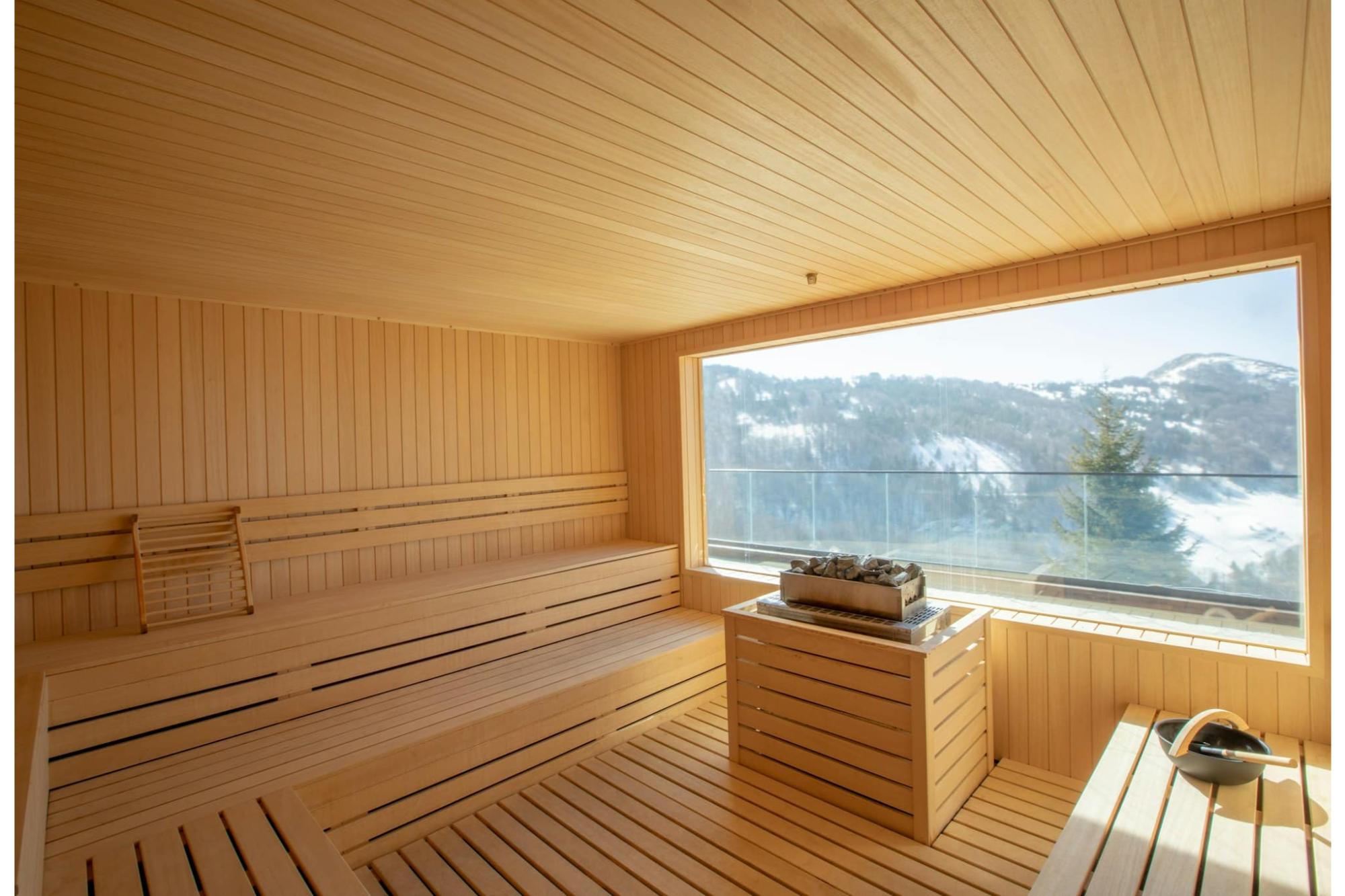
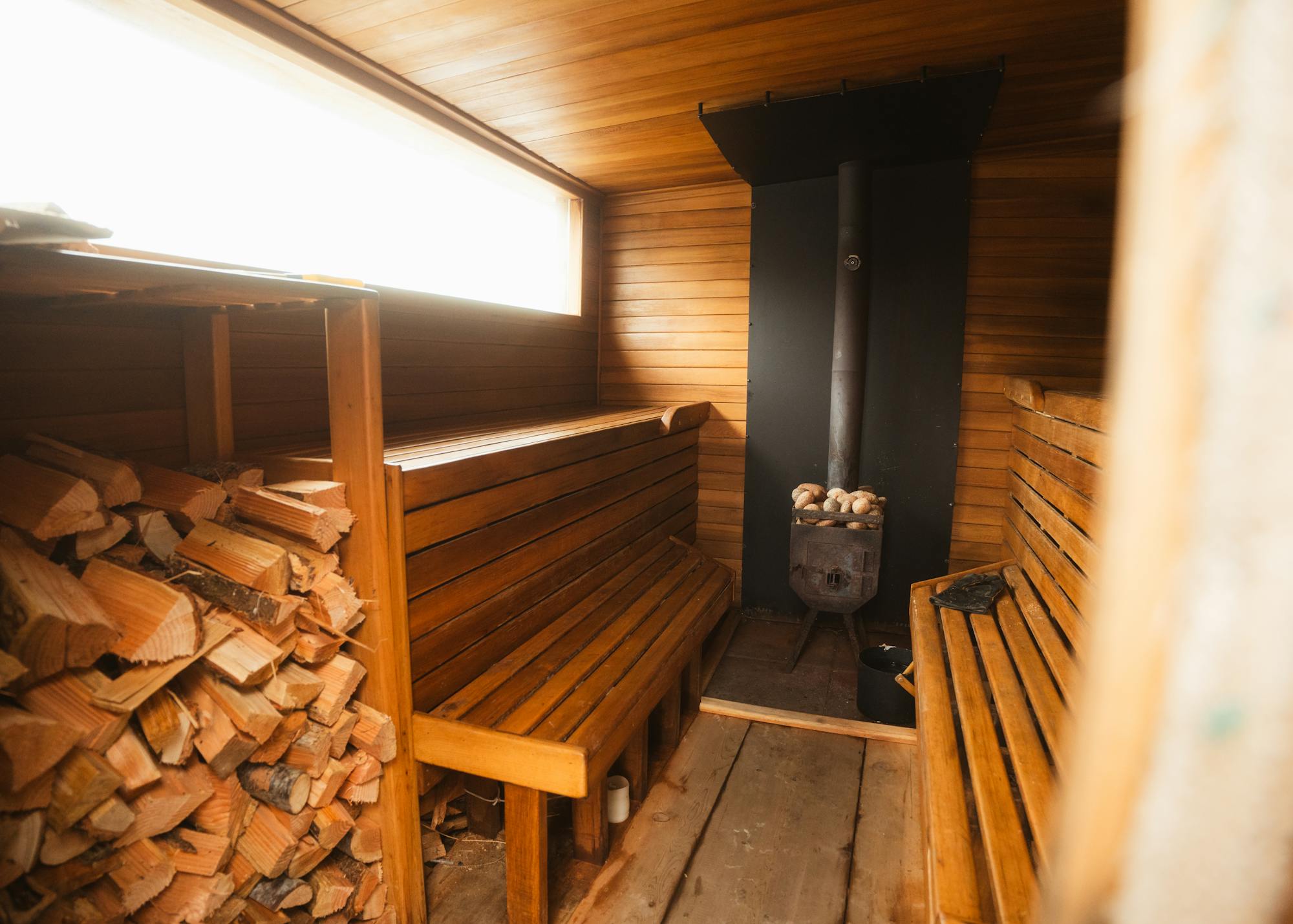
A traditional sauna uses an electric or wood-burning heater to warm a stack of sauna stones. As the stones heat, they warm the air in the room, and when you pour water over the rocks, they release a burst of steam called löyly, creating the classic Finnish sauna experience.
Traditional saunas can be built indoors or outdoors and are available in many formats, including barrel saunas, cabin saunas, and compact indoor rooms.

Within the “infrared sauna vs conventional” debate, this traditional style is what most people mean by a conventional or “regular” sauna: high heat, option for steam, and that unmistakable Finnish humidity feel.
Temperature, Humidity & Overall Sauna Feel
Infrared Sauna Experience
Infrared saunas typically operate between 120–140°F (49–60°C). Because the infrared wavelengths create a more direct heat experience rather than only warming the air, many people find the session comfortable at lower air temperatures compared with a traditional sauna.
This gentler environment makes infrared a strong candidate for people seeking:
- A longer session (often 20–40 minutes) without feeling overwhelmed by intense air heat.
- A sauna that feels more approachable for people who prefer lower-intensity heat.
- A dry, consistent environment without steam bursts or large temperature swings.
Full-spectrum cabins can also give you some flexibility to experiment with full spectrum vs far infrared sessions, changing programs depending on your preferences that day.
Traditional Sauna Experience
Traditional saunas usually run hotter, often between 170–190°F (77–88°C), though some users briefly choose higher temperatures once comfortable. This is where the classic “dry sauna vs wet sauna” conversation becomes very practical:
- With no water on the stones, the room feels like a high-heat dry sauna.
- When you ladle water on the rocks, you instantly create a wave of humid steam, changing the overall sauna feel.
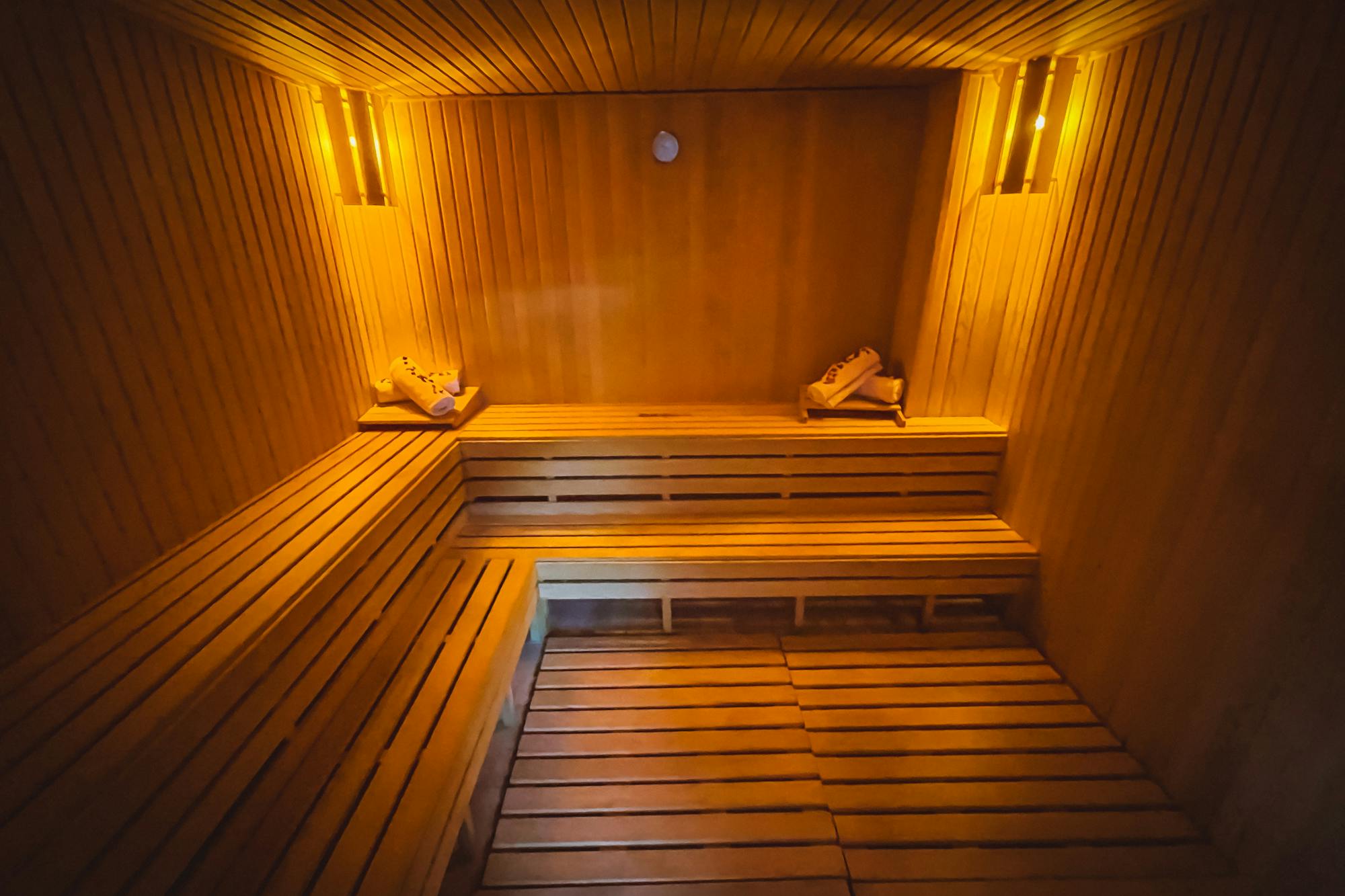
Many sauna enthusiasts love this traditional sauna humidity feel, the sound of steaming stones, the scented cedar, and the dramatic “heat wave” experience. If you’re chasing that timeless Nordic cabin experience, a traditional sauna will likely speak to you more than infrared.
Wellness Routines & How People Use Each Sauna
Both infrared and traditional saunas are used by people for relaxation and post-workout routines. Evidence is still evolving, and saunas are not a substitute for professional guidance, but many users anecdotally report:
- A calmer evening routine.
- A relaxed feeling after training sessions.
- A “light, refreshed” feeling after sweating and showering.
When comparing infrared vs traditional sauna in this context:
- Infrared is often chosen for lower-heat, longer sessions, sometimes combined with breathwork or guided meditation.
- Traditional is often chosen for a more intense high-heat sauna ritual and is frequently paired with cold plunge or cold shower routines .
Athletes often appreciate both styles, using infrared on lighter days for gentle warmth and traditional heat on higher-heat sauna days, depending on personal preference.
Installation, Space & Electrical Requirements
Beyond how they feel, the biggest practical differences between infrared sauna vs regular sauna show up in installation and power requirements. This is where your home, condo rules, or electrical panel may nudge you strongly in one direction.

Infrared Sauna Installation
Most modern infrared saunas are designed as pre-built or modular cabins that can be assembled in a few hours. Many 1–2 person models run on a standard 120V household circuit, which makes them ideal for:
- Condos and townhomes with limited electrical capacity.
- Spare bedrooms, home gyms, or offices.
- People who want a plug-and-play solution with minimal renovation.
Larger full-spectrum models and combination units may require a dedicated 240V line, which we cover in our Sauna Electrical Requirements Guide .
Traditional Sauna Installation

Traditional saunas, whether indoor rooms or outdoor cabins, typically require:
- A dedicated 240V electrical circuit for an electric heater, or a safe chimney/flue setup for wood-burning heaters.
- Adequate ventilation and moisture control, especially indoors.
- Proper framing, insulation, and vapor barriers if you’re building a custom room from scratch.
If you love the idea of a backyard retreat, our barrel sauna collection and cabin saunas are a great starting point, and our Barrel Sauna Buying Guide explains what to consider for outdoor foundations and weather protection.
Heat-Up Time, Operating Cost & Energy Efficiency
Another frequent question in the infrared vs traditional sauna debate is: “Which one is cheaper to run?”
Infrared: Faster Heat-Up, Lower Energy Use
Because infrared panels create a more direct heat experience and do not need to bring the entire room and stone mass up to 180°F, most cabins:
- Preheat in about 10–20 minutes.
- Operate at lower wattage compared with similarly sized traditional saunas.
- Often use less electricity per session, especially if you’re using your sauna several times per week.
Traditional: Higher Heat, More Power
Traditional saunas typically need 30–45 minutes to reach full temperature. You’re heating the air, the benches, the walls, and the sauna stones, so the heater draws more power and runs longer per session.
If you’re primarily interested in energy efficiency, infrared is often preferred. For a detailed look at running costs and simple examples, visit our Sauna Cost & ROI Guide .
Which Sauna Is Better for You?
Instead of asking which style is “best” overall, it’s more helpful to ask: Which sauna fits my preferences, my home, and my lifestyle?
Infrared Sauna Might Be Better If You:
- Prefer gentler temperatures and comfortable warmth.
- Have limited indoor space and need a plug-and-play option.
- Want predictable, dry heat with no steam bursts.
- Are focused on solo sessions in a 1-person or 2-person sauna.
Traditional Sauna Might Be Better If You:
- Love the intense, classic Finnish cabin feel with steam and high heat.
- Want to build a backyard retreat with a barrel or cabin sauna.
- Enjoy hosting friends or family in a 4-person or 6-person sauna.
- Want the option to alternate dry sessions with steam-heavy “wet” sauna rounds.

Your Next Step, Explore, Compare & Ask Questions
If you’re still undecided between infrared vs traditional sauna, that’s completely normal. Many people only feel fully confident once they’ve:
- Compared a few specific models side by side.
- Clarified where the sauna will live in their home or yard.
- Understood the electrical requirements and installation steps.
Here’s how you can continue your sauna journey with My Energy Flow:
- Start with our Best Home Sauna Buying Guide for a full overview of the entire sauna decision tree.
- Deep-dive into heaters with the Sauna Heater Buying Guide (electric, wood-burning, and full-spectrum options).
- Compare sizes in our Sauna Size Guide and browse 2-person or 4-person saunas.
- Explore our full range of infrared saunas and traditional saunas to see what resonates.
- Visit our Sauna FAQ and Why Buy From Us pages to learn more about installation support, warranties, and our approach.
- Have specific questions? Reach us anytime via the Contact Us page, we’re happy to help you choose a sauna that feels right for your preferences and your home.
Whether you ultimately choose an infrared cabin or a traditional Finnish sauna, the goal is the same: to create a grounding, calming ritual you’ll look forward to using several times a week. When you’re ready, we’re here to help you bring that experience home.
Editorial note: My Energy Flow publishes content for general educational and product-research purposes. We aim to keep product specifications, technical information and referenced research accurate and current, but details may change over time. Always confirm current manufacturer documentation and applicable local requirements before purchasing, installing or using a product.
Health and wellness information is general in nature and is not a substitute for personalized medical advice from a qualified healthcare professional.


Leave a comment
This site is protected by hCaptcha and the hCaptcha Privacy Policy and Terms of Service apply.