The customer service was really great. We couldn’t decide between three models and we called and spoke to Pedram who took care of us. He really cared about making us feel good. Thanks and wish you all the best. :)


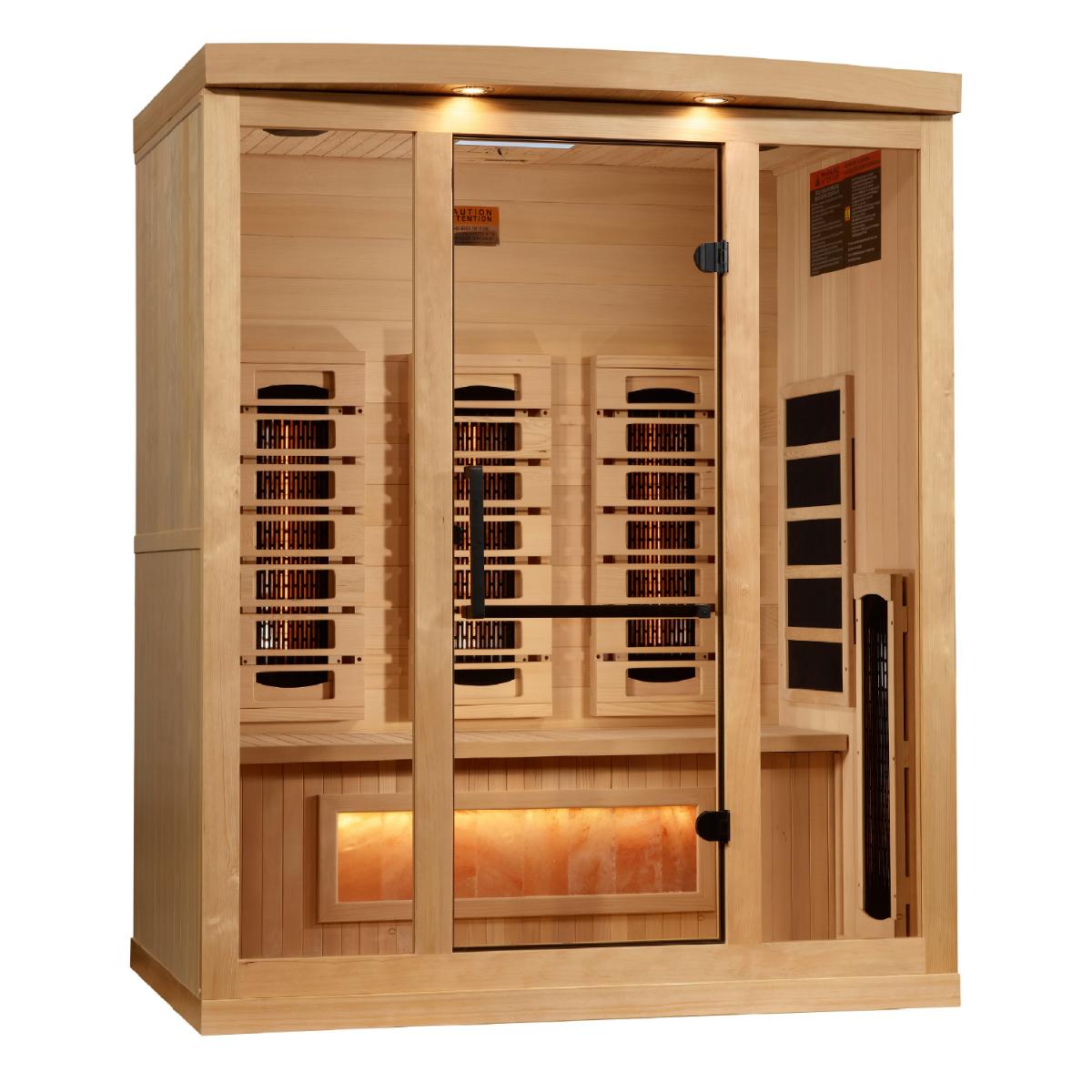
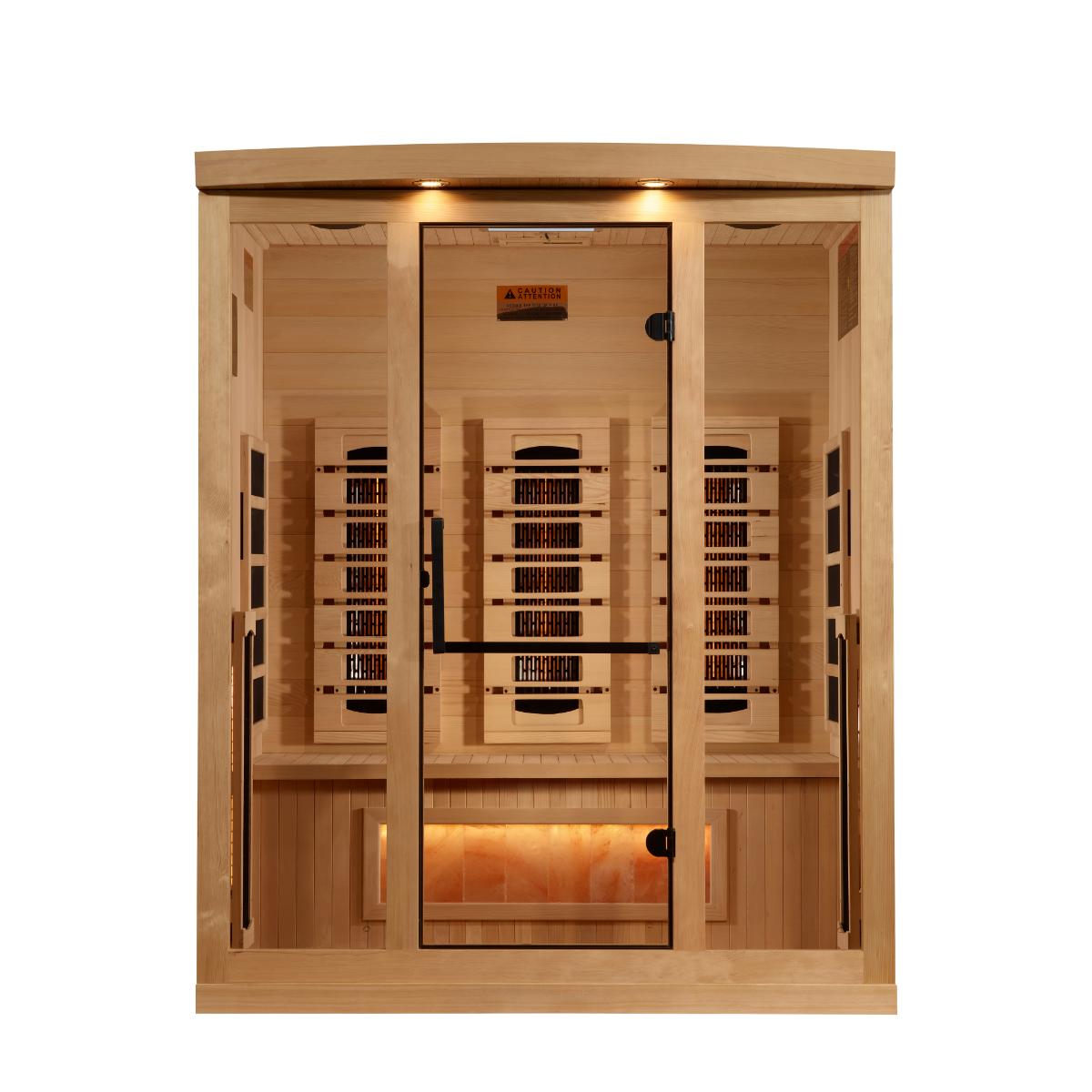
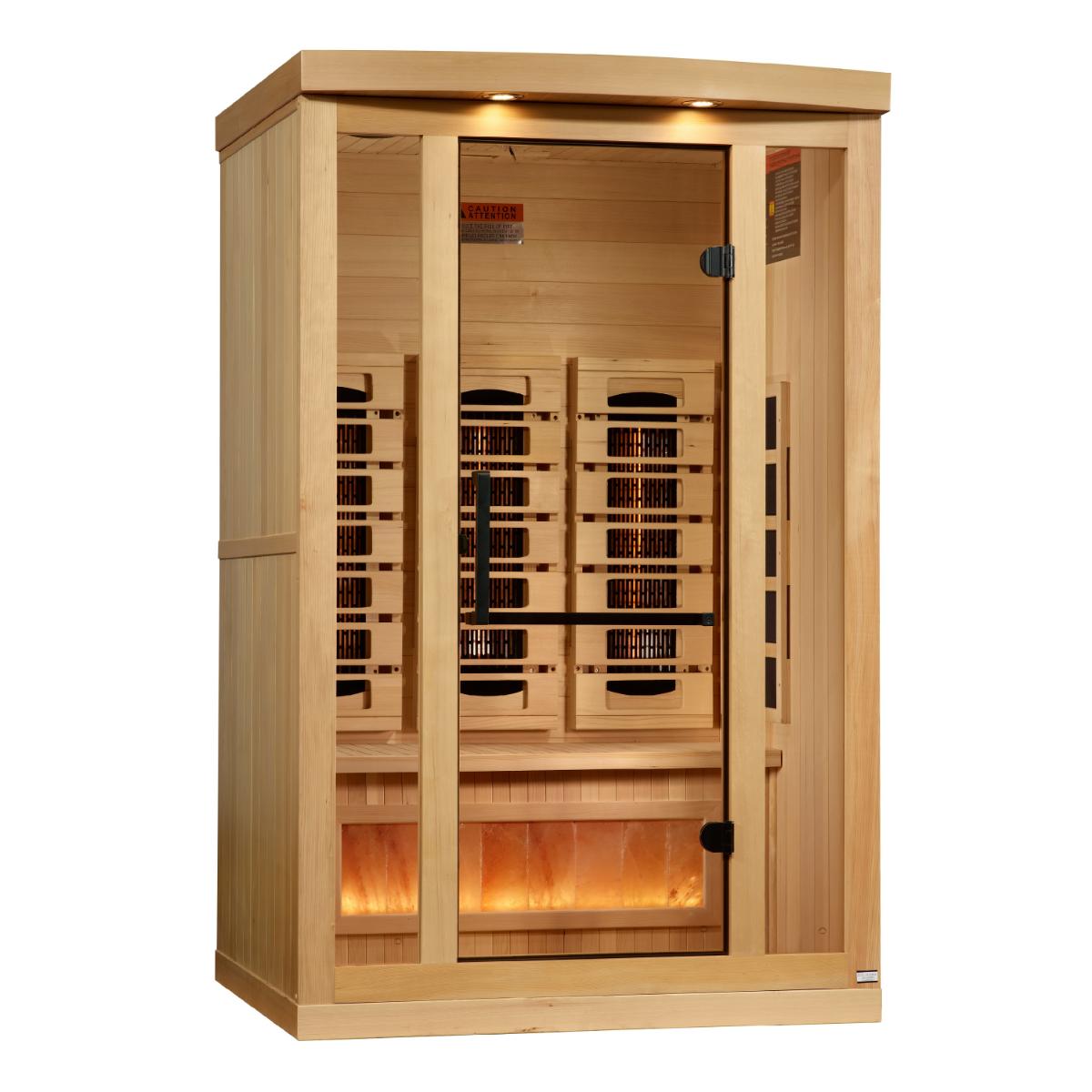
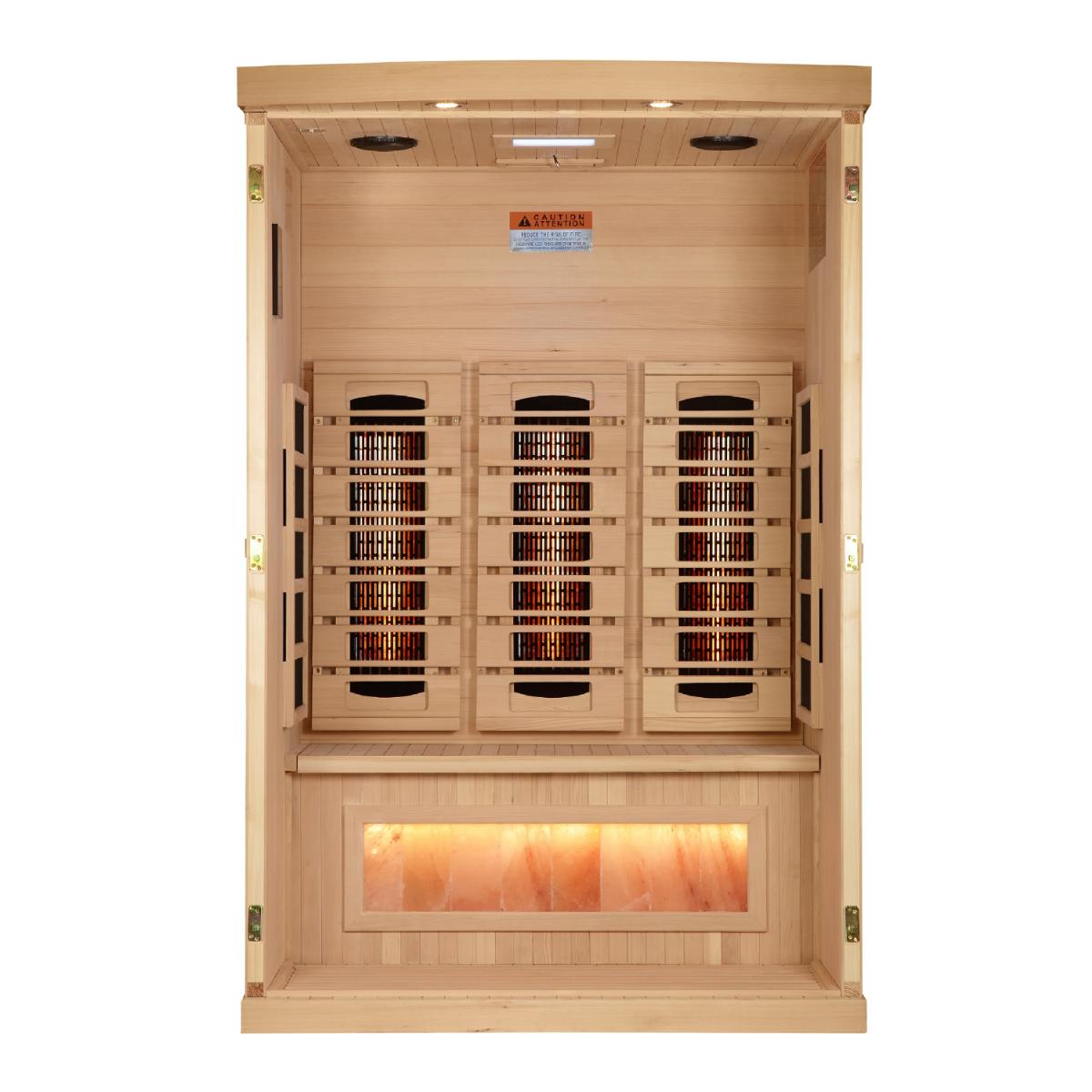
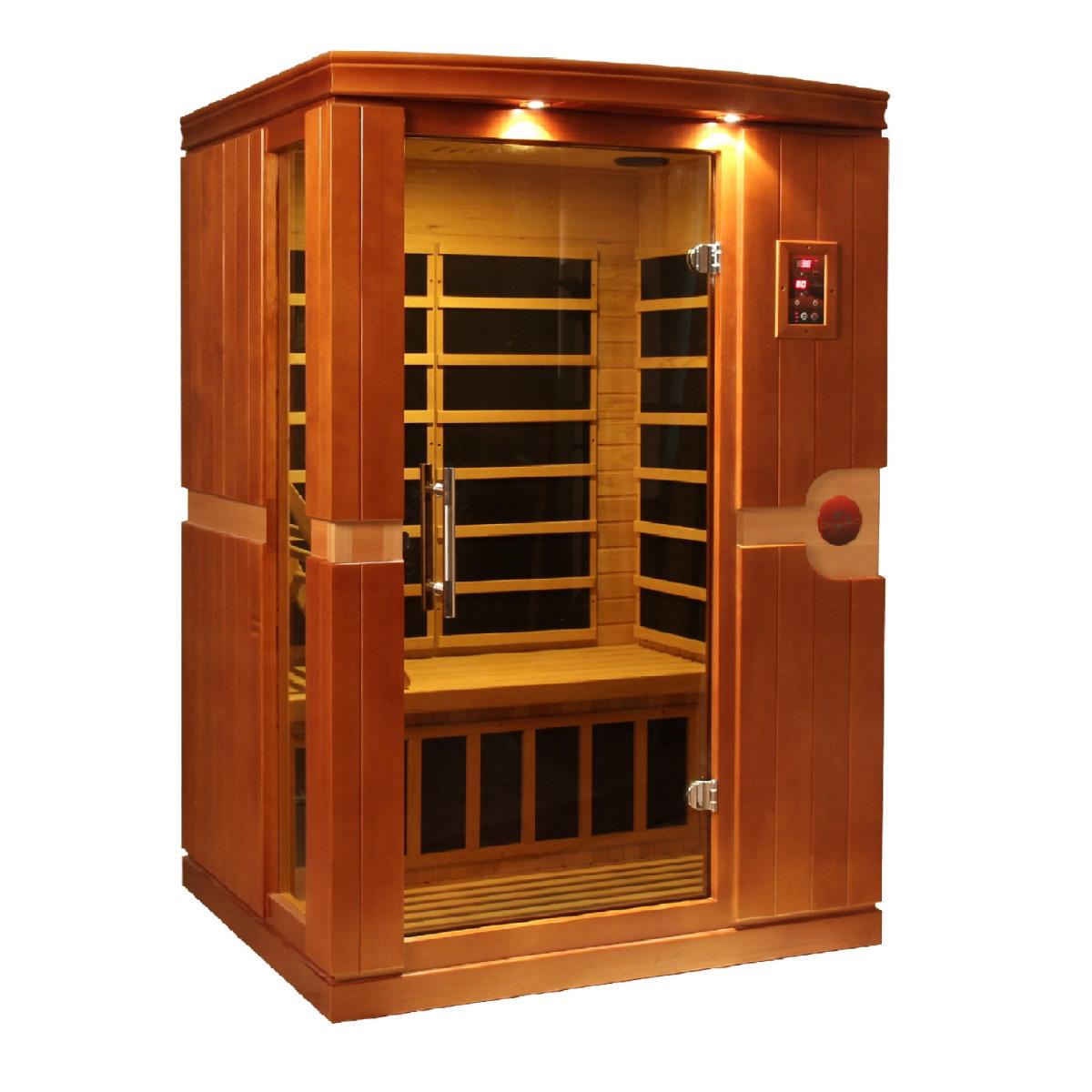
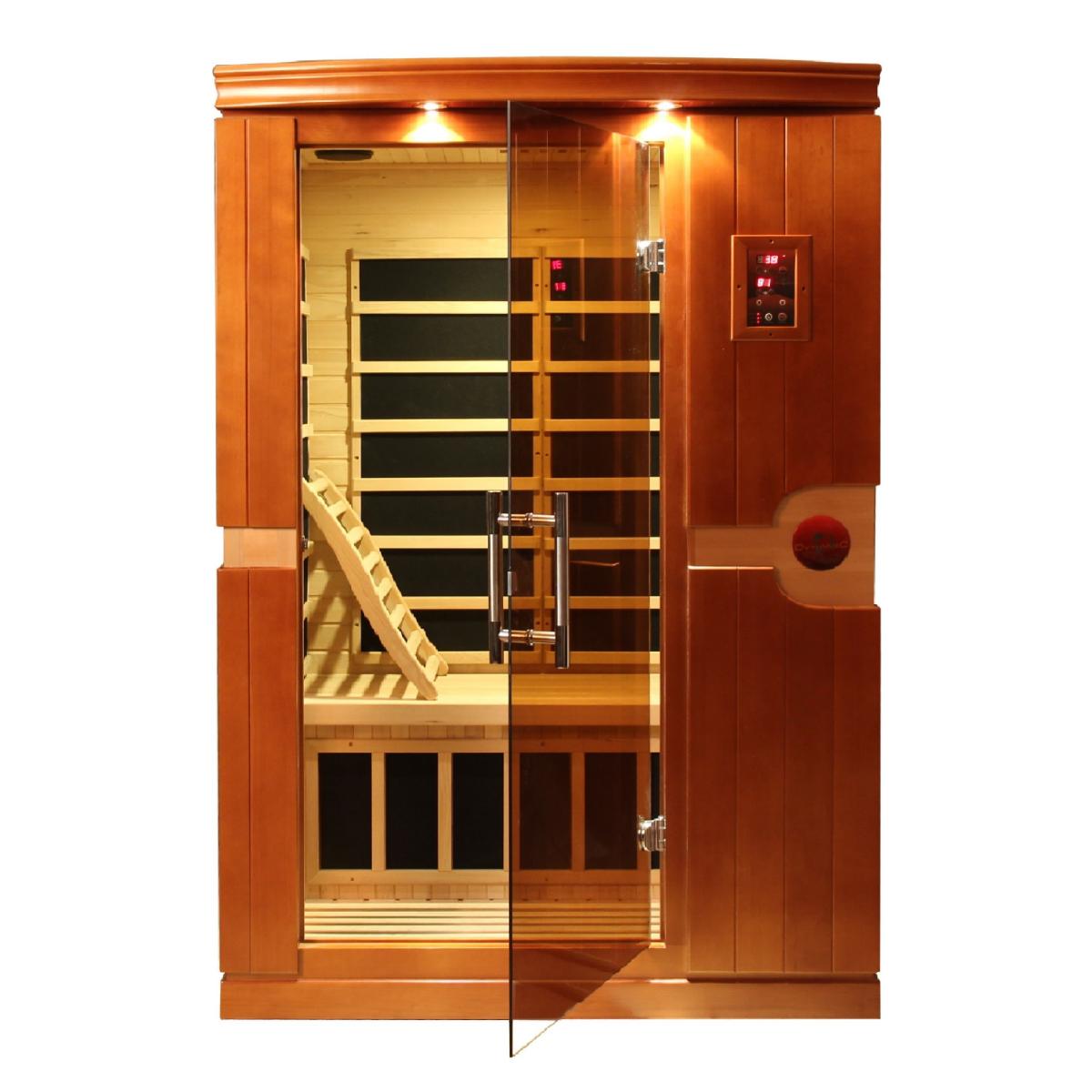
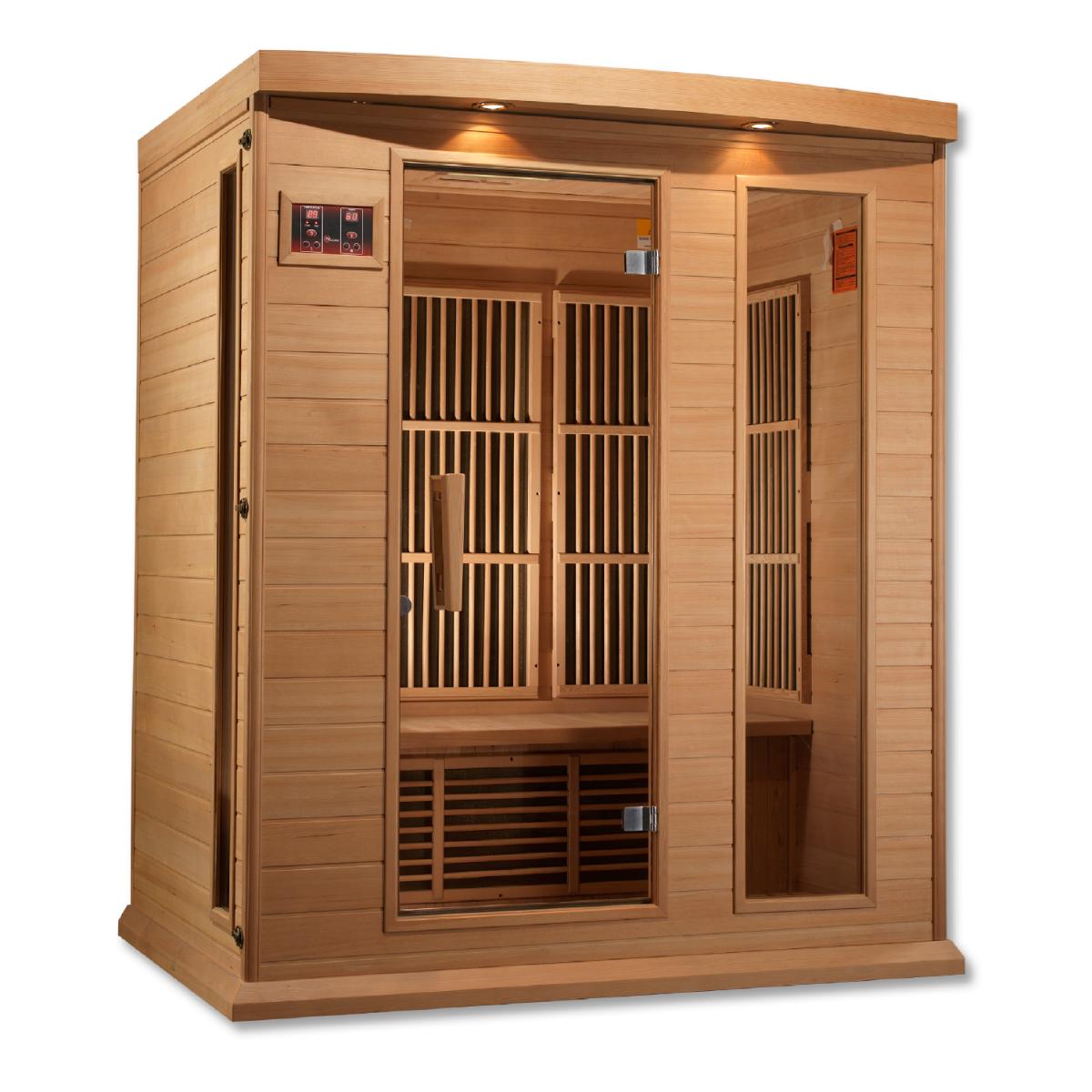
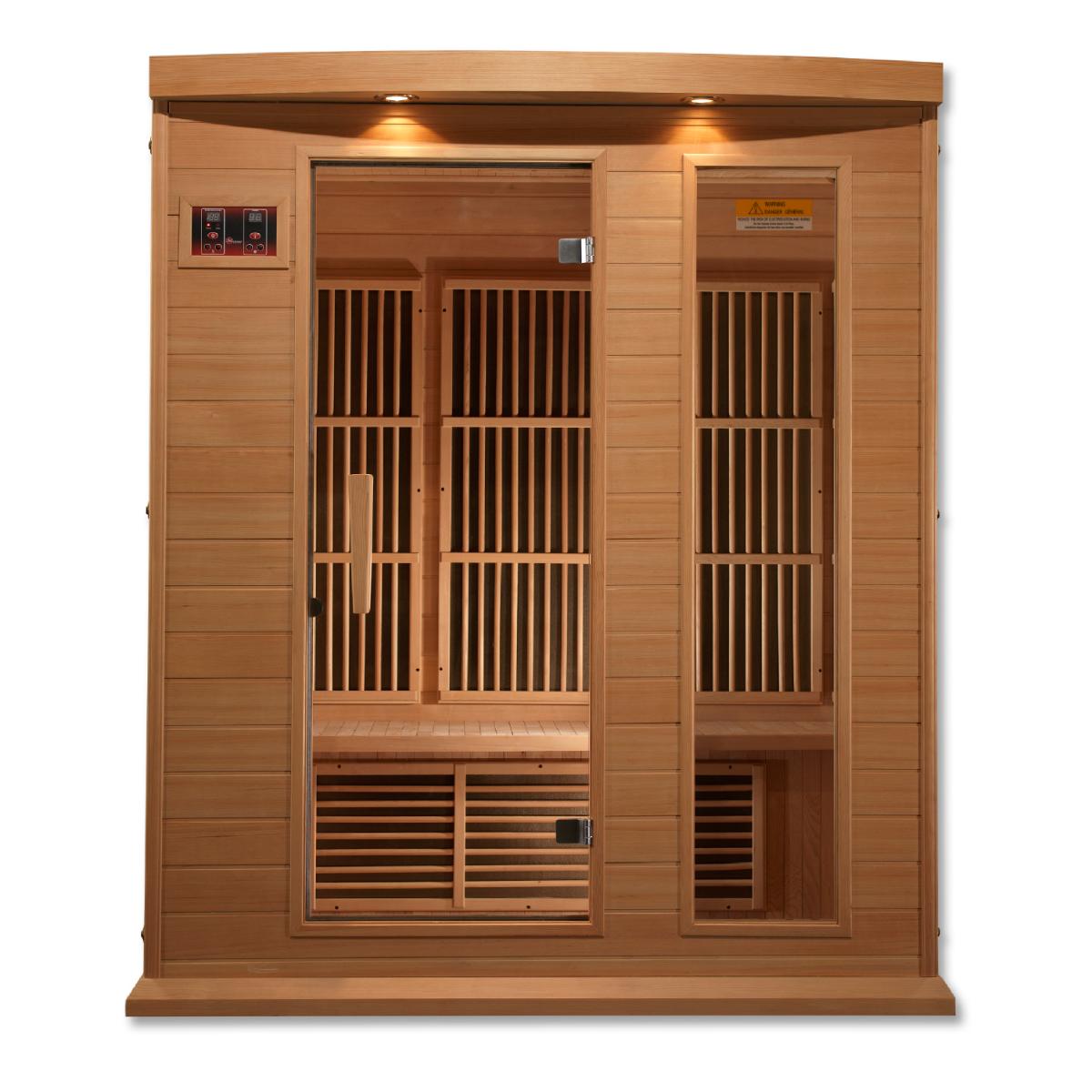
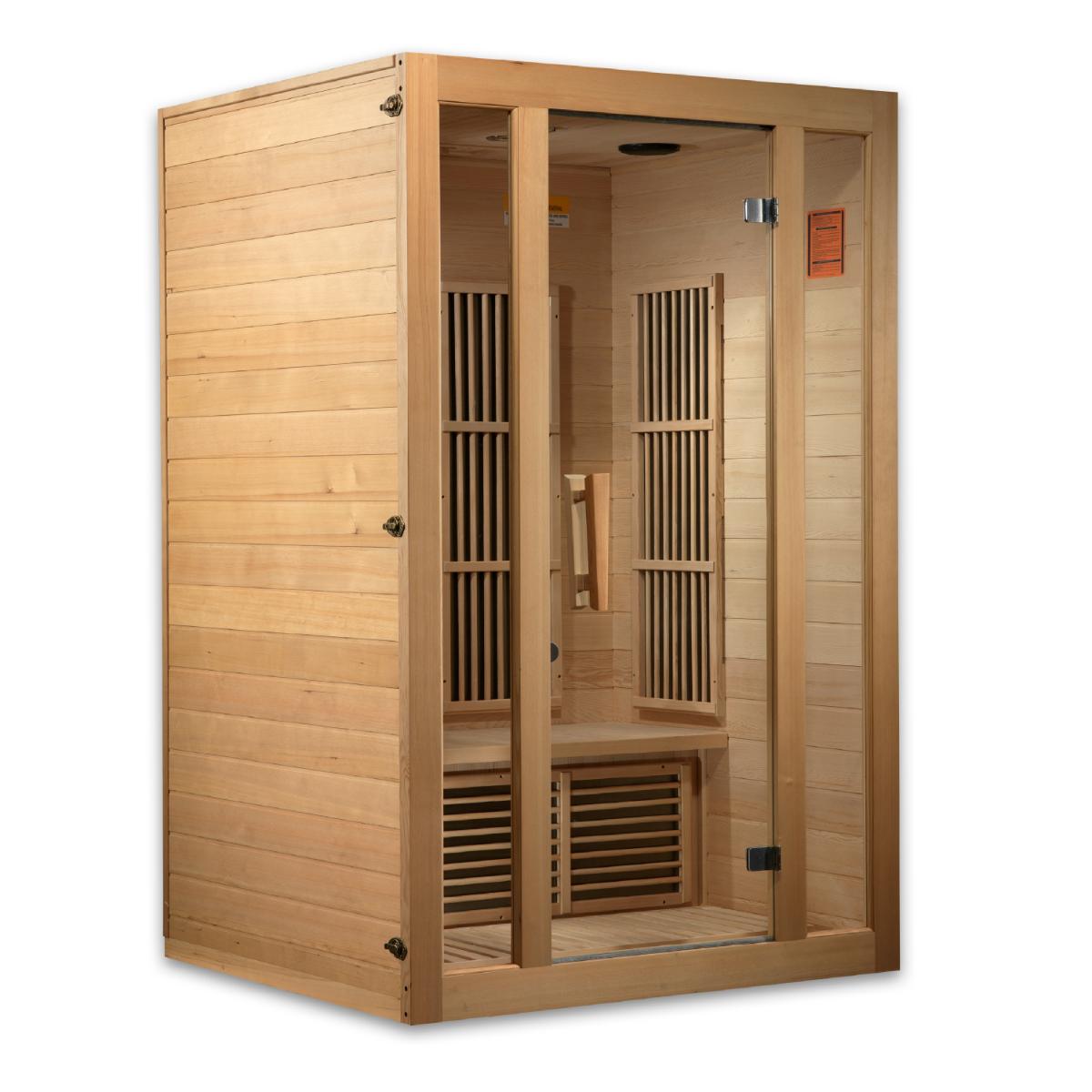
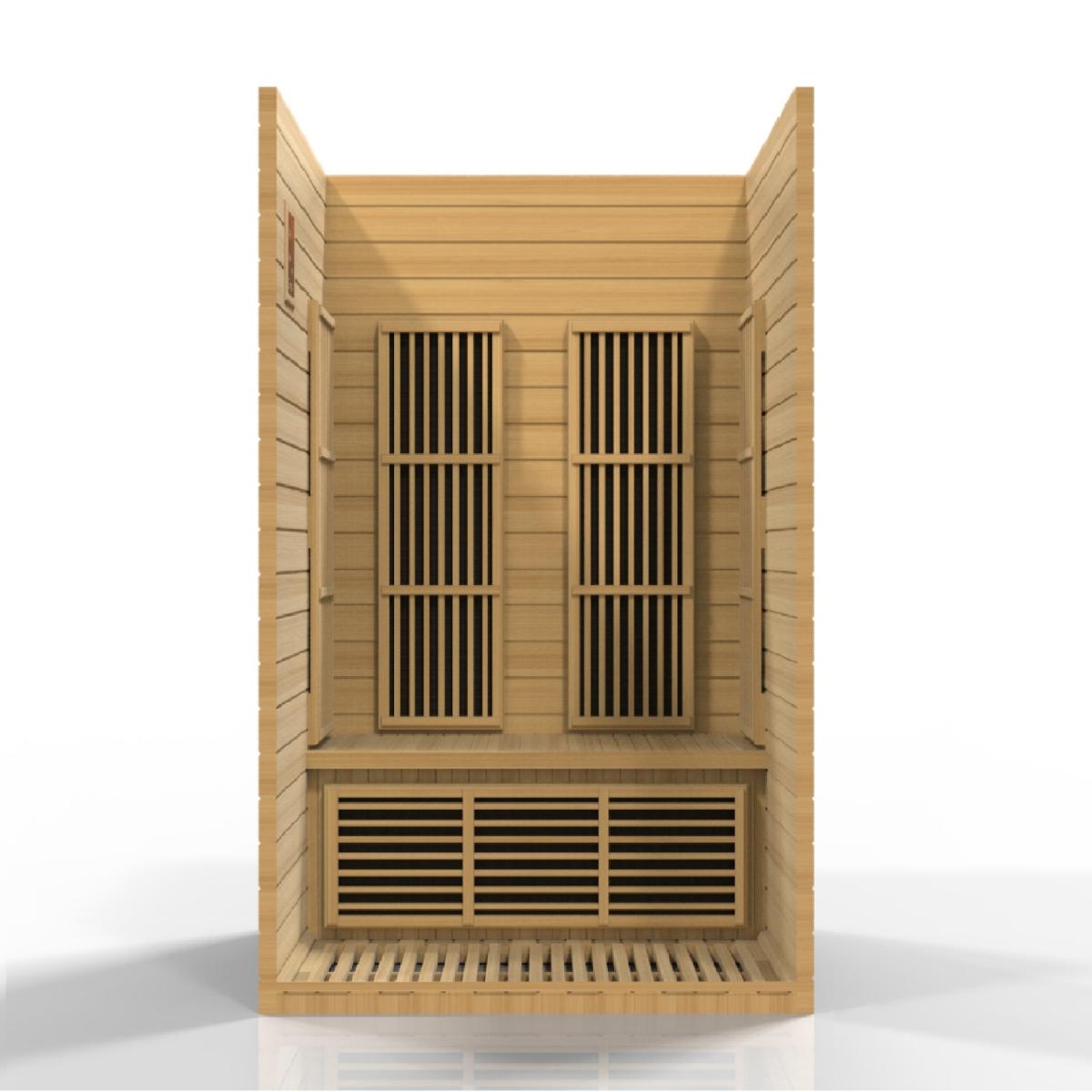
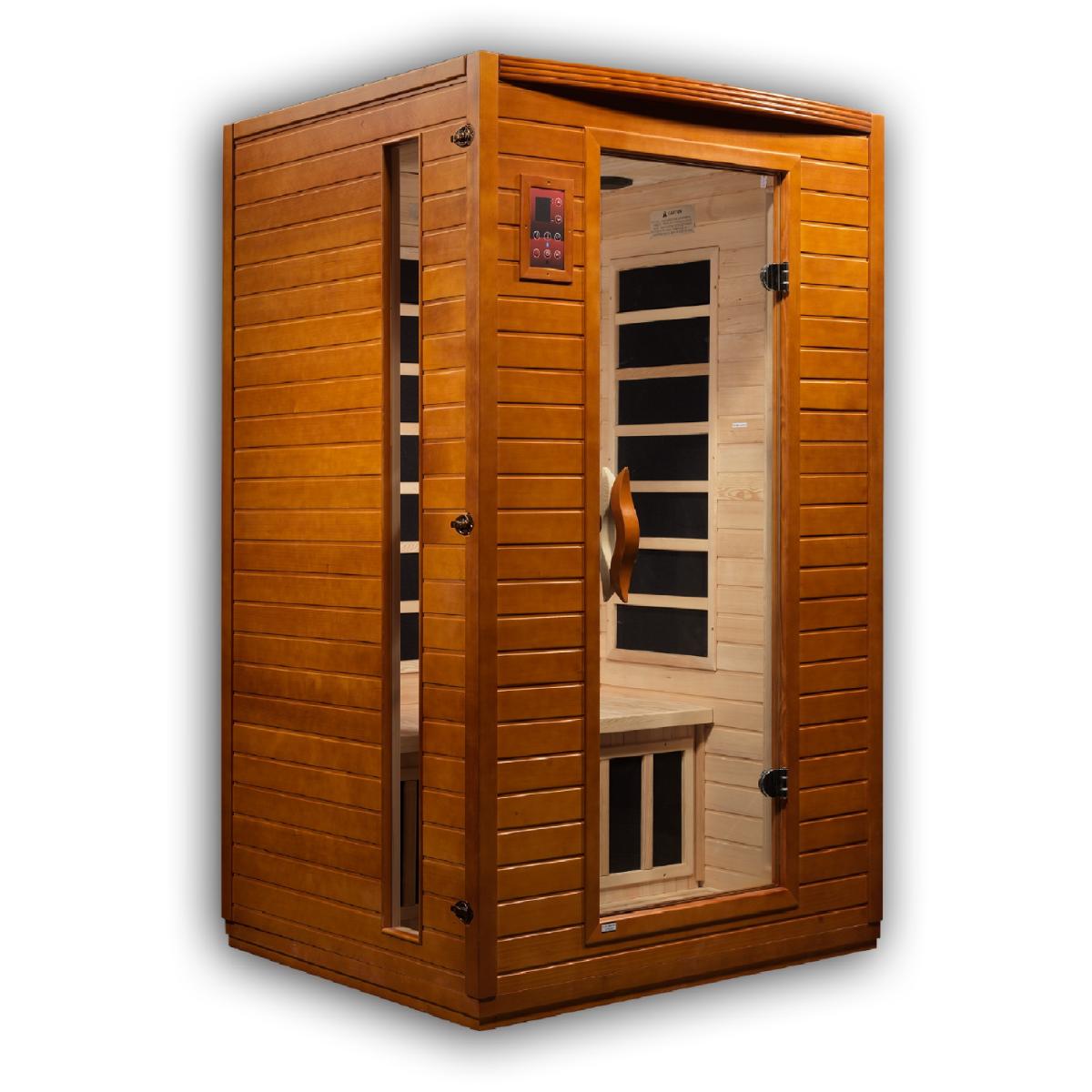
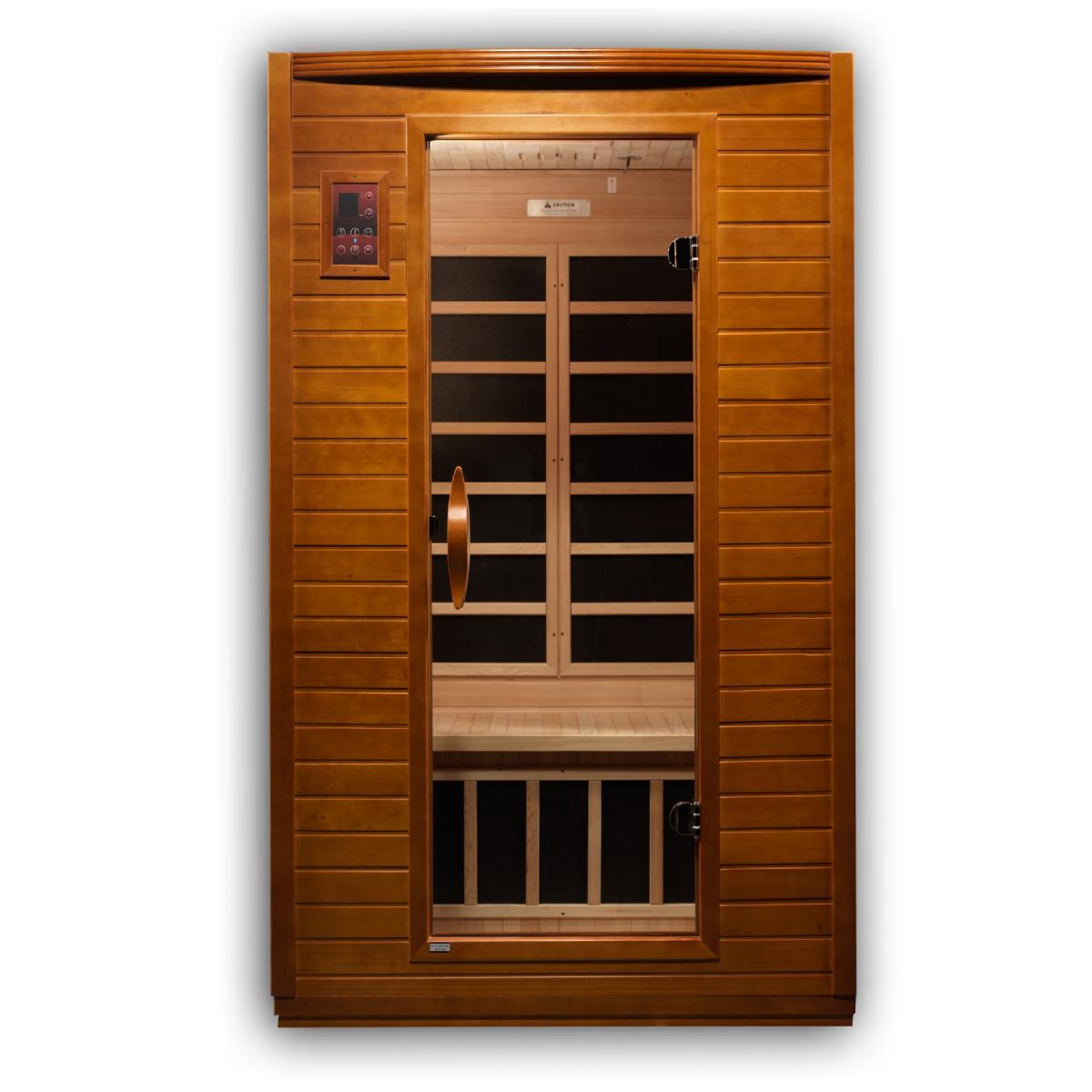
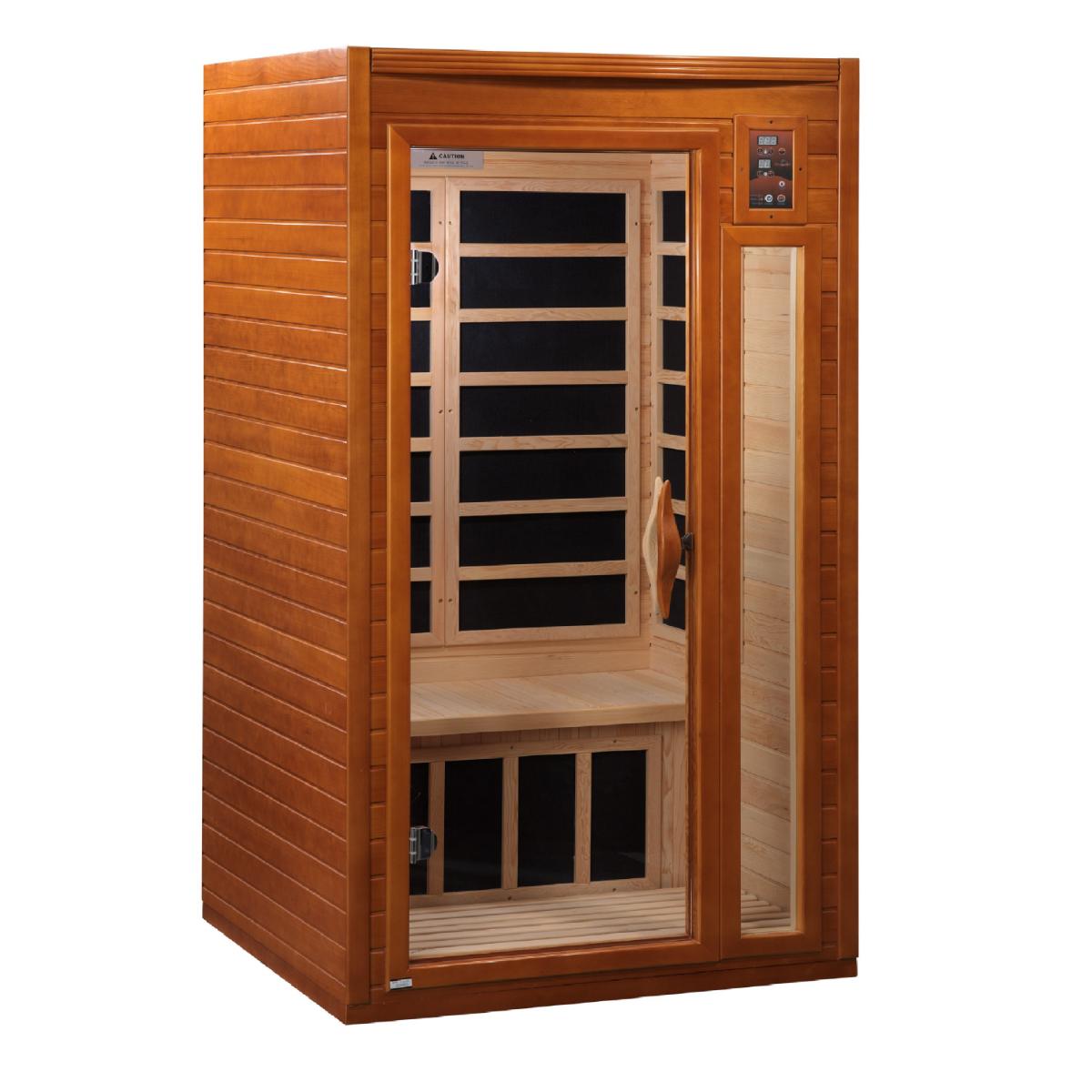
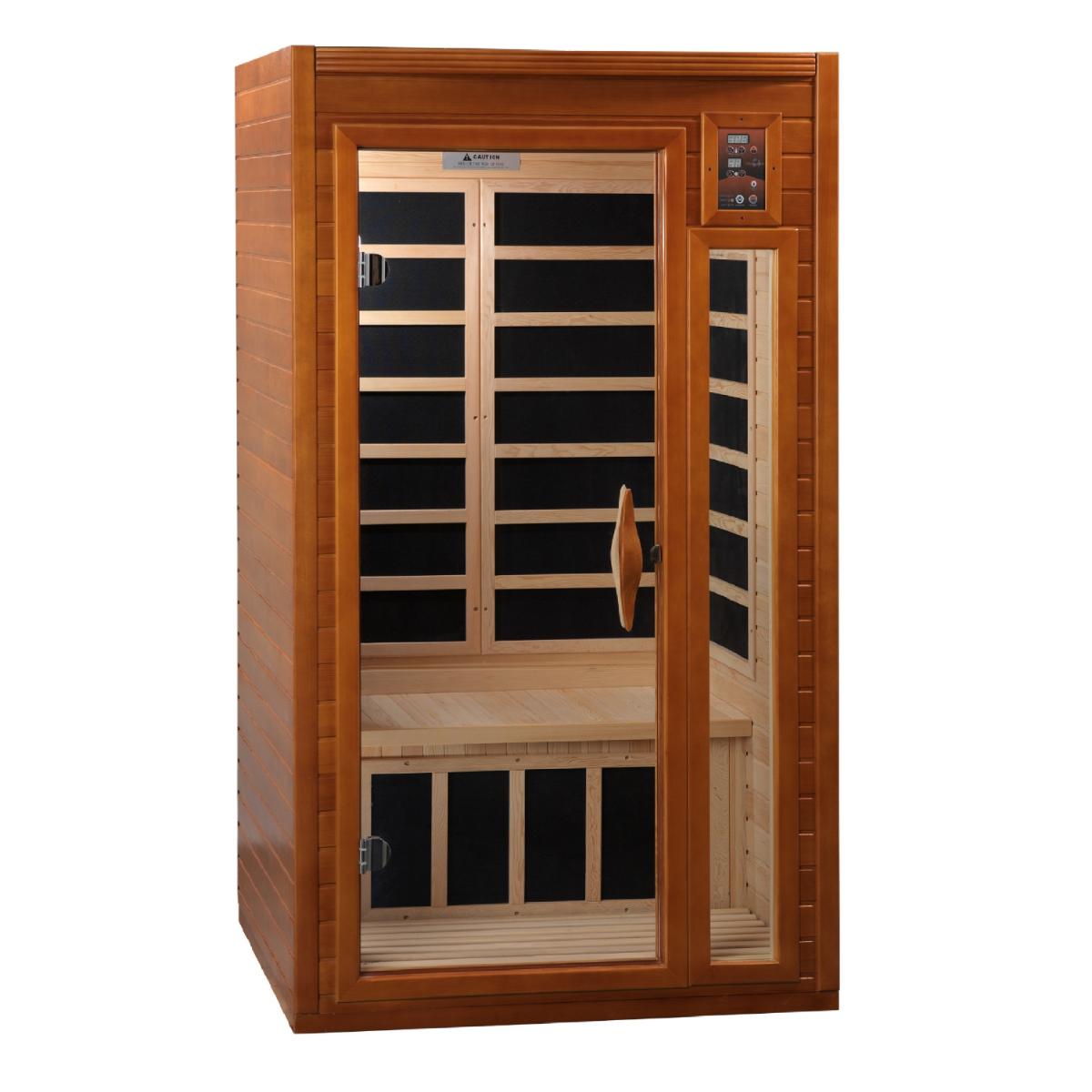
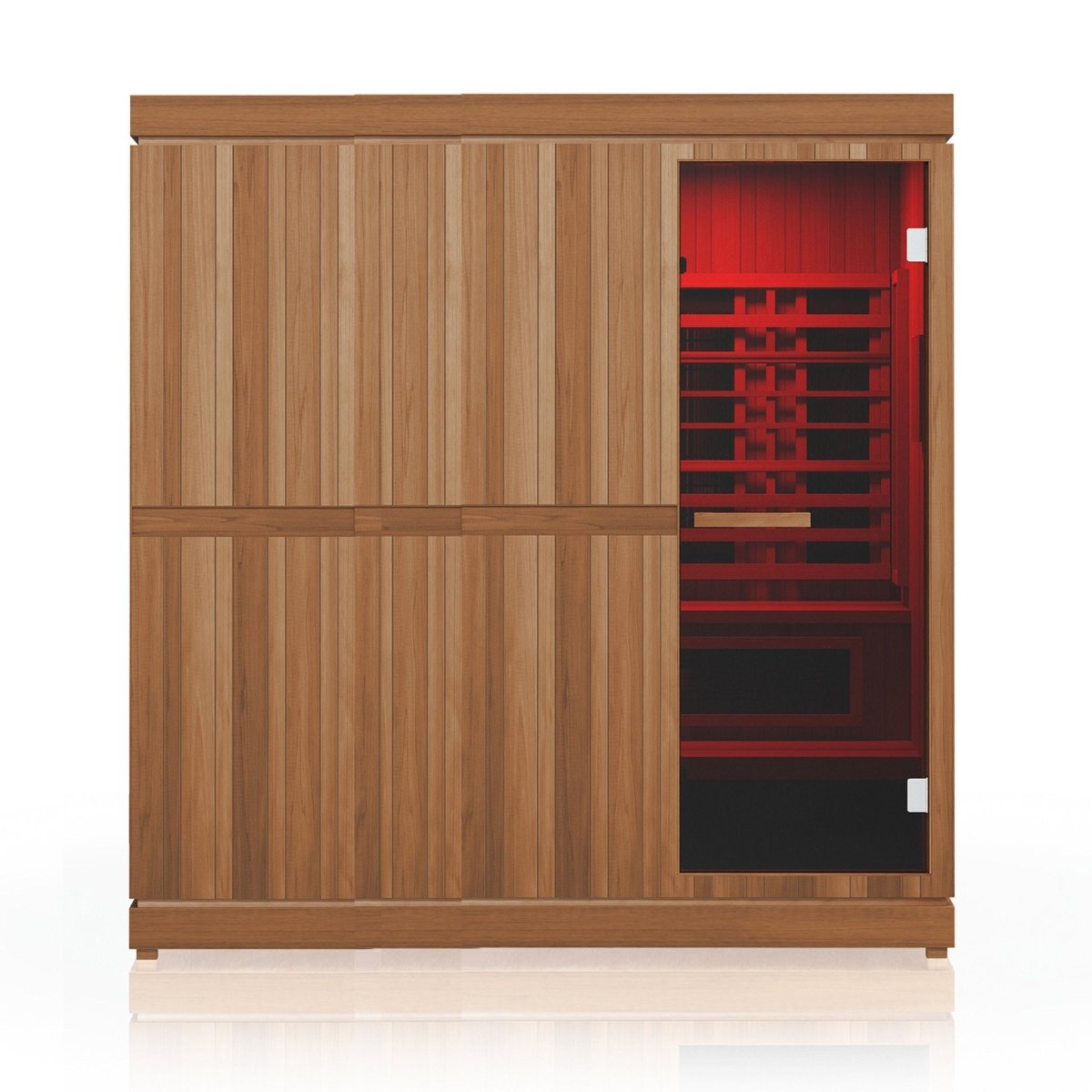

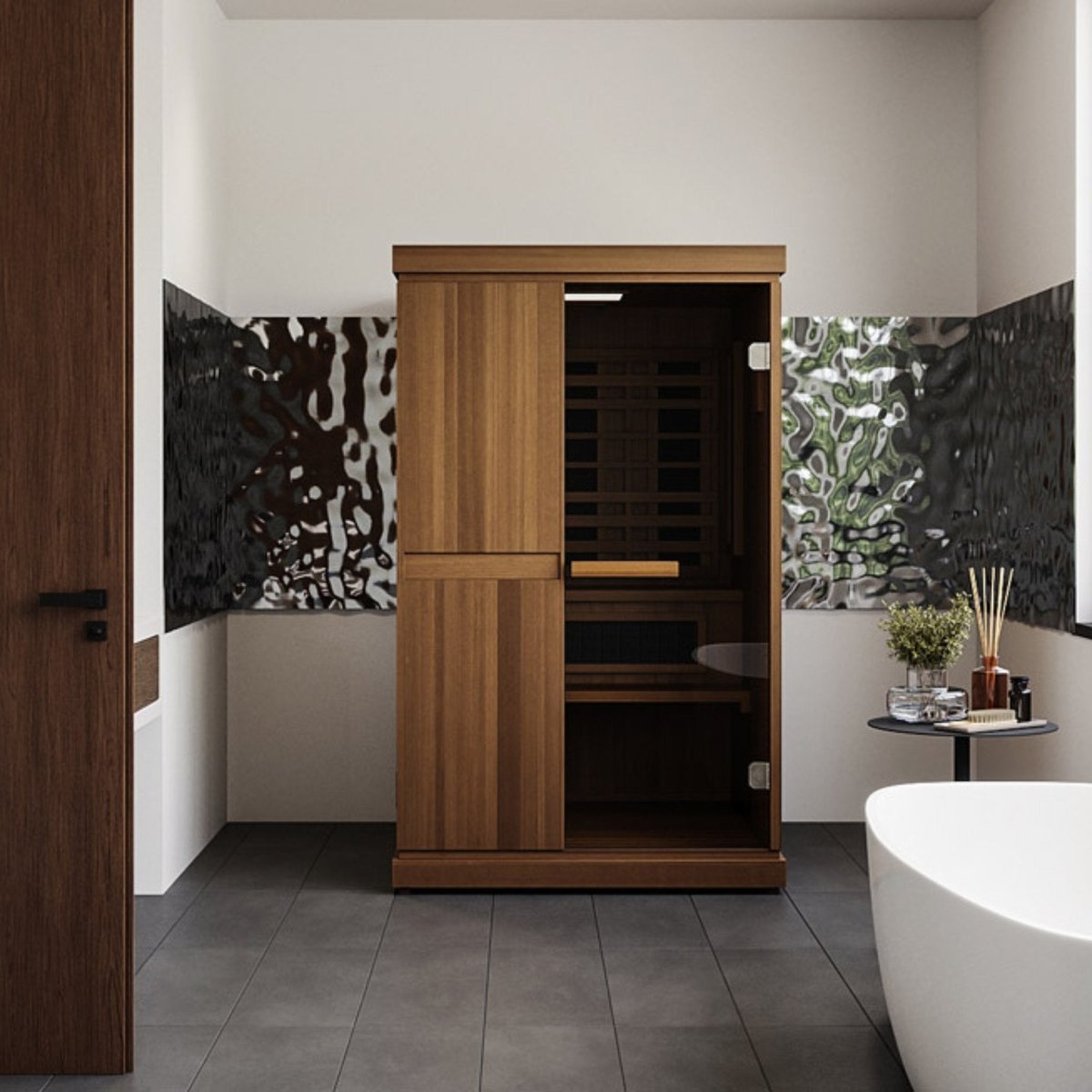
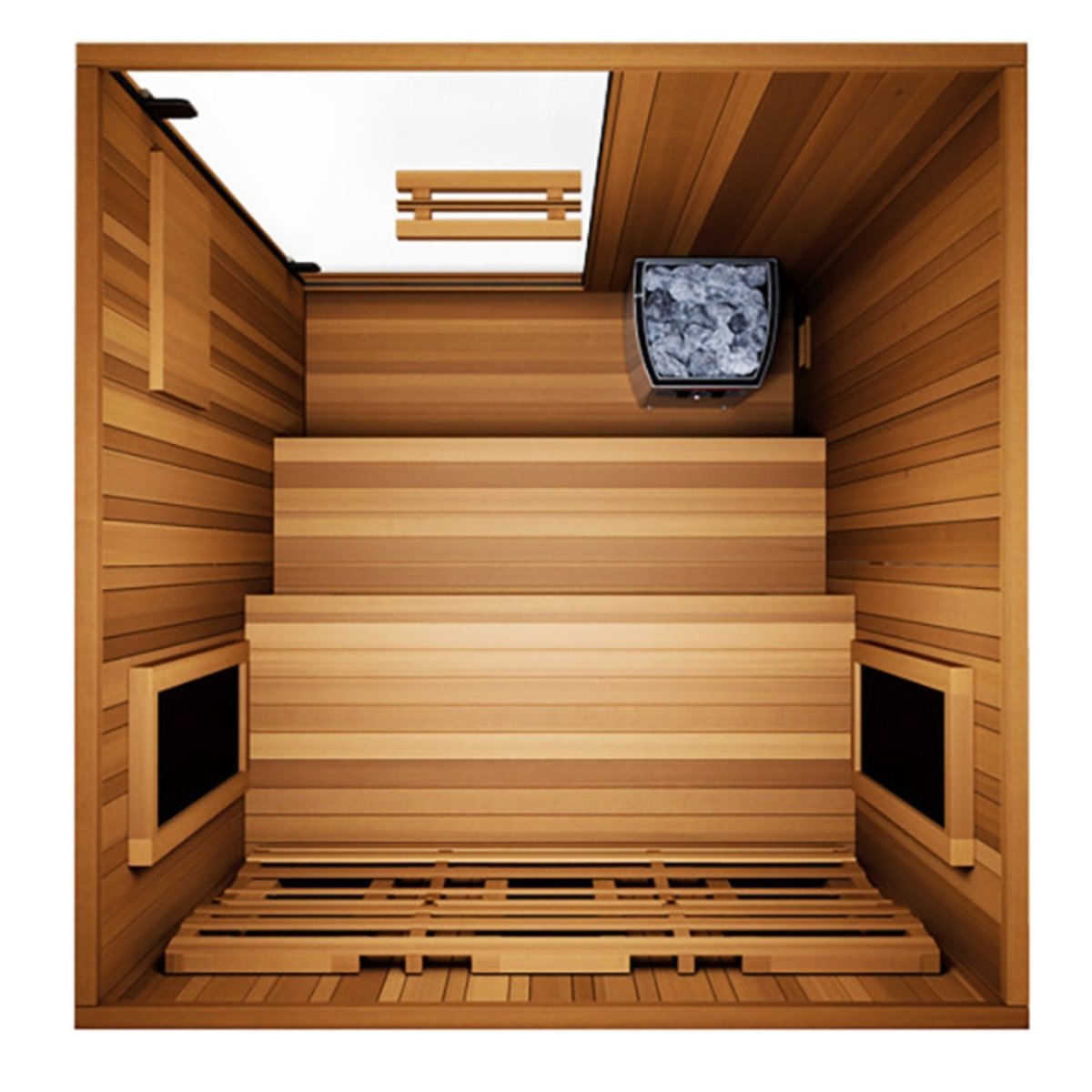
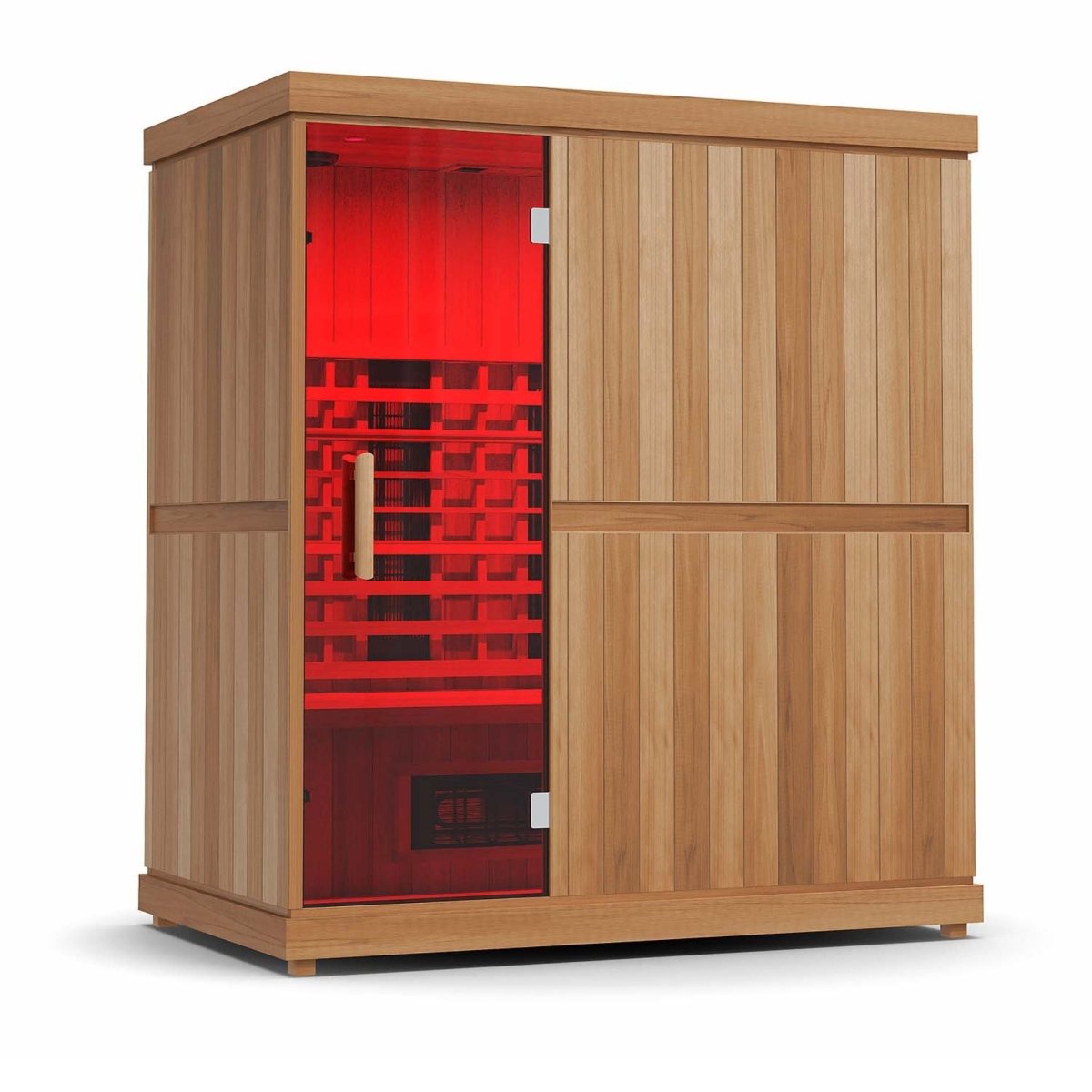
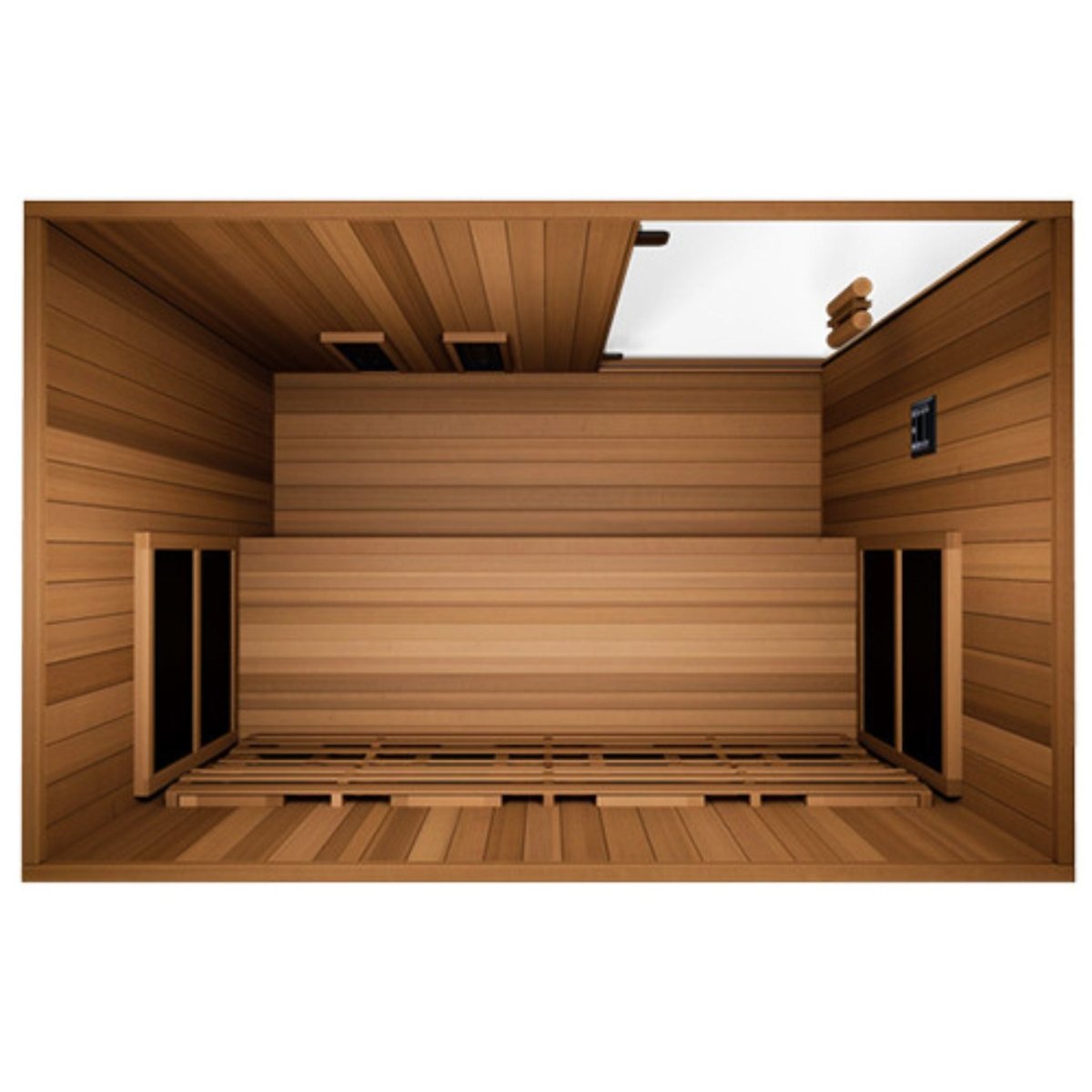
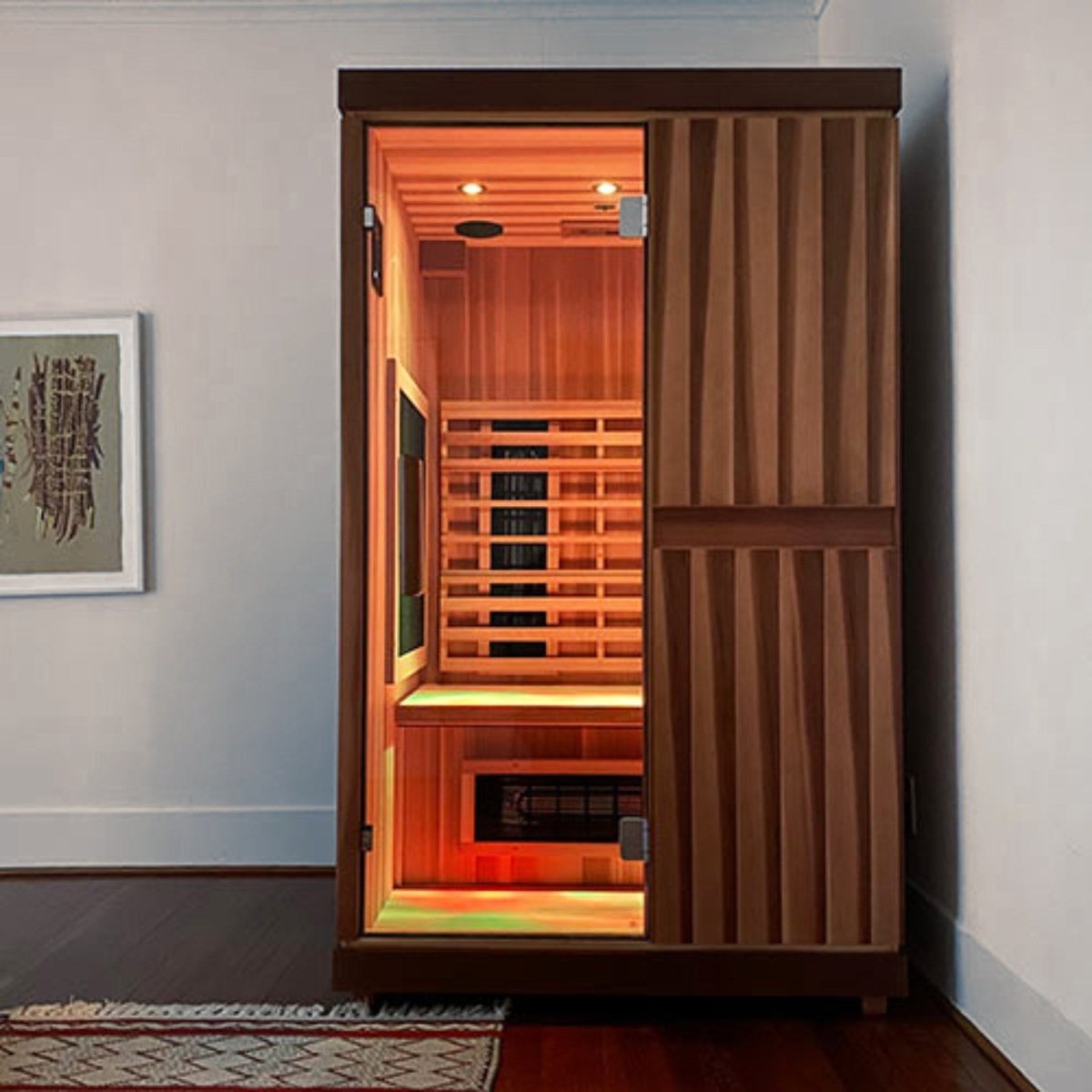
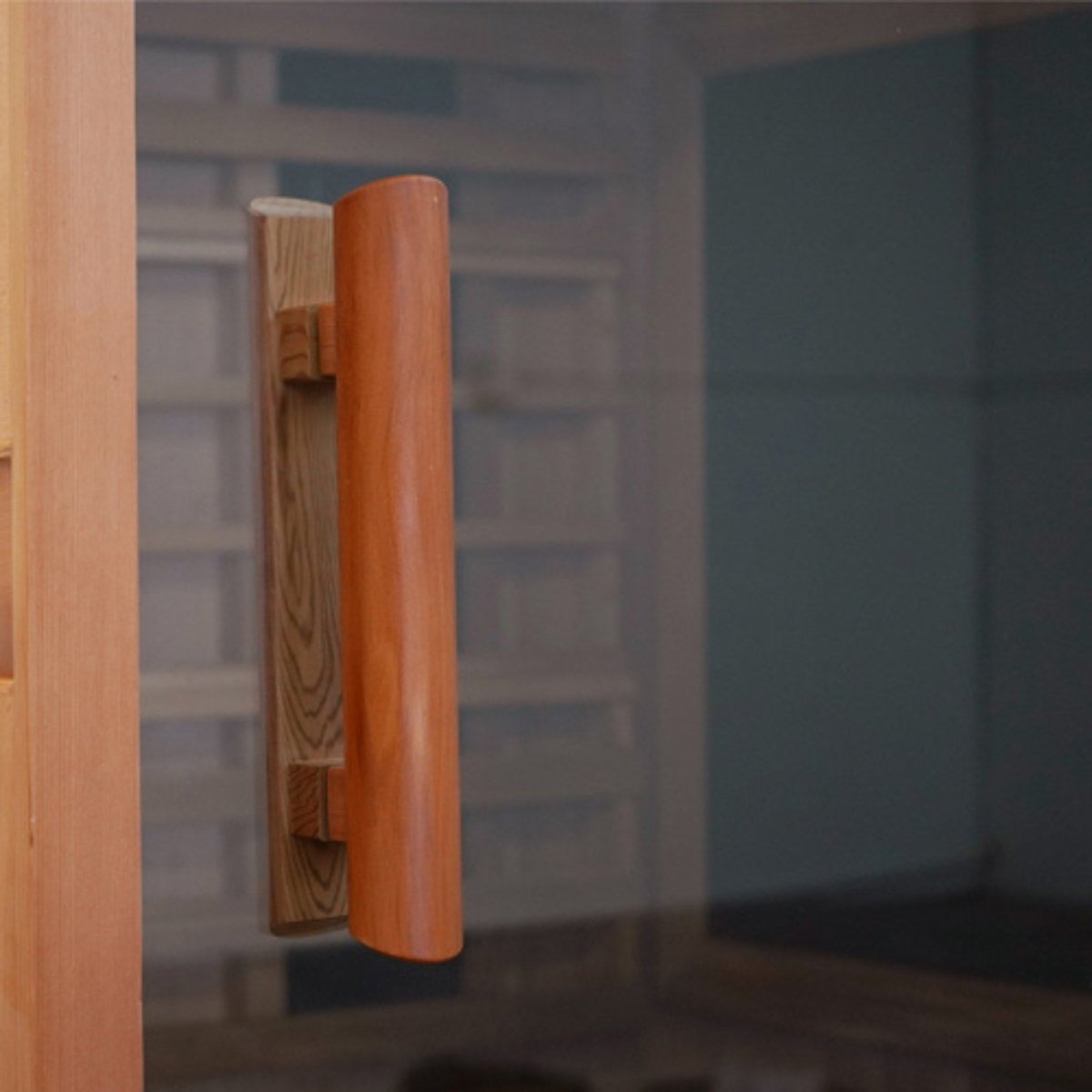
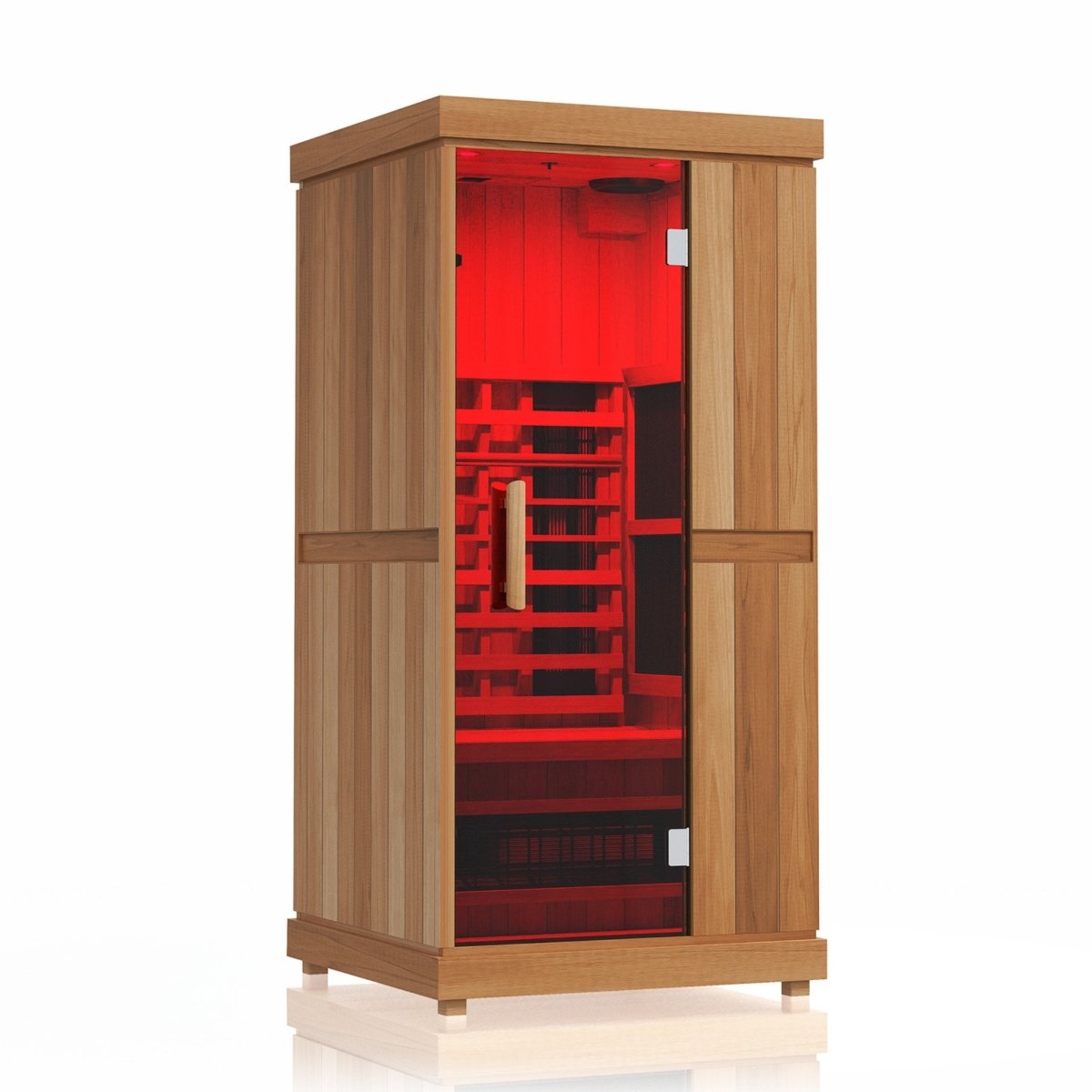
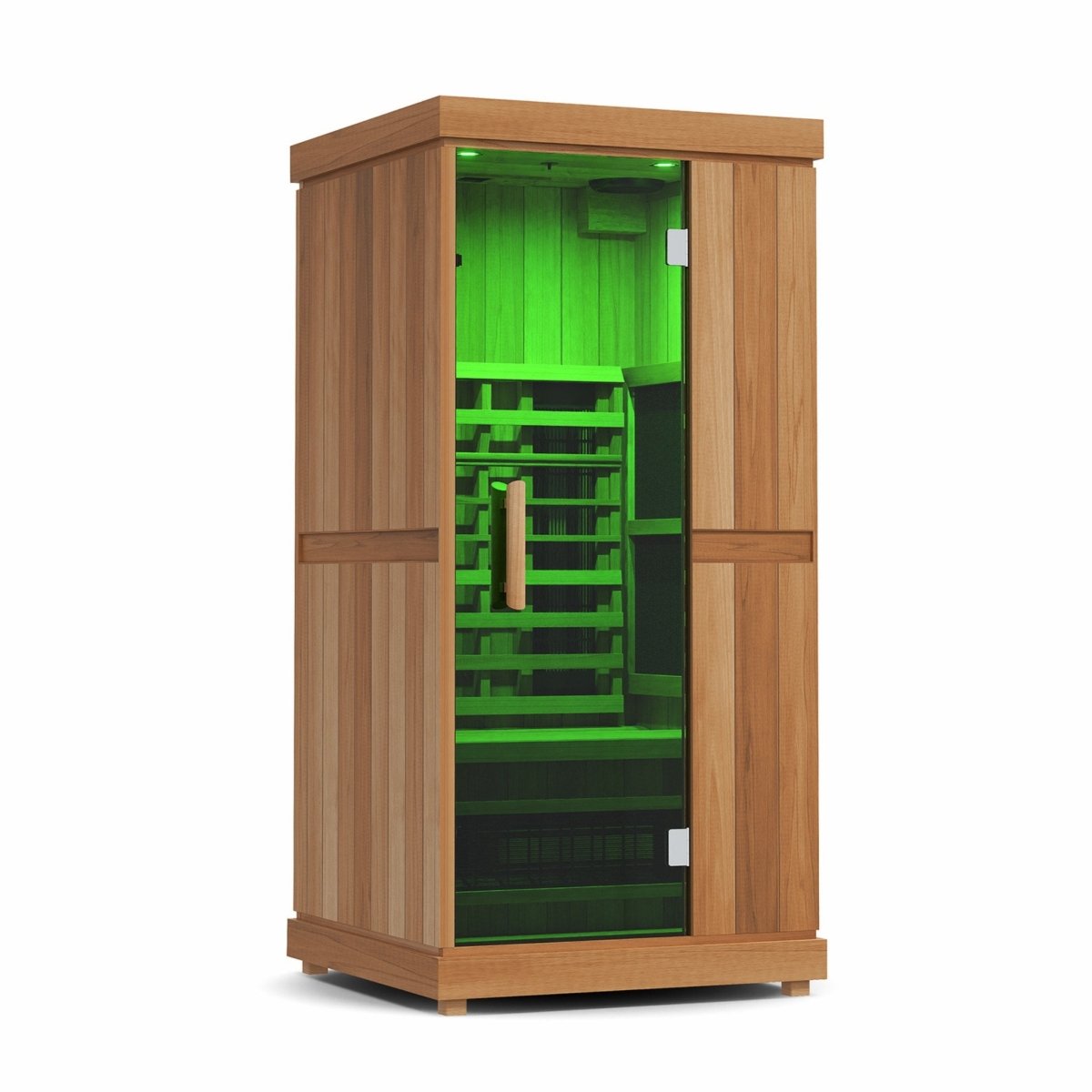
Shop indoor saunas designed for installation inside the home. This collection includes full-spectrum infrared and combination sauna models in multiple capacities, with different heating systems, electrical requirements, dimensions, and control options.
When comparing an indoor sauna for home use, start with the space available and the installation requirements of the individual model. Cabin dimensions, electrical service, required clearances, heater configuration, and room access can all affect which sauna is the right fit.
An indoor sauna is designed to operate within a suitable interior space rather than being exposed to outdoor weather conditions. Depending on the model, common installation locations can include dedicated wellness rooms, finished basements, home gyms, larger bathrooms, or other interior spaces that meet the manufacturer's requirements.
The best location depends on more than available floor space. Before choosing a sauna, check the assembled dimensions, ceiling height, door swing, required clearances, electrical connection, ventilation guidance, and the manufacturer's approved installation environment.
Indoor saunas can use different heating systems. The models in this collection include full spectrum infrared saunas as well as combination designs that bring infrared heating together with a traditional sauna heater system.
If you are primarily interested in infrared heat, explore our broader Infrared Saunas collection. For models focused specifically on far infrared heating, visit Far Infrared Saunas.
Start with capacity and available space. A compact sauna may work well when floor area is limited, while a larger cabin can provide more seating room when the installation space allows it.
Next, review the heating system and electrical specifications. Compare voltage, amperage, plug or hardwire requirements, total published wattage, and whether the manufacturer requires a dedicated circuit. These requirements can differ substantially between sauna models.
Finally, compare the details that affect everyday ownership: cabin materials, heater configuration, controls, connectivity, lighting, door and glass design, warranty documentation, and the manufacturer's installation requirements.
Before ordering an indoor sauna kit or pre-built cabin, confirm that the packaged components can physically reach the installation room. Doorways, hallways, stairs, corners, and ceiling height may matter as much as the final assembled dimensions.
Electrical planning should also happen before installation. Some indoor infrared saunas operate on 120V service, while other sauna systems may require different amperage or higher-voltage electrical service. Always follow the requirements published for the exact model rather than assuming all indoor saunas use the same electrical setup.
If capacity is your starting point, compare our 1 Person Saunas, 2 Person Saunas, and 3 Person Saunas.
You can also explore Finnmark Saunas for full-spectrum infrared and combination models designed for indoor installation.
An indoor sauna should be specifically approved by the manufacturer for installation inside a building. The installation environment matters because the cabin, electrical components, controls, ventilation openings, and exterior materials may be designed for dry interior conditions rather than exposure to rain, freezing temperatures, or other outdoor conditions.
Before purchasing, check the model's installation manual for its approved location, required clearances, electrical specifications, floor requirements, ventilation guidance, and any temperature or moisture restrictions.
Do not plan the room using the exterior sauna dimensions alone. You also need to account for the manufacturer's required side, rear, and overhead clearances, the door swing, electrical connections, ventilation openings, and enough working space for assembly or future service.
Ceiling height is especially important because some sauna cabins require space above the roof panel for assembly, wiring, controls, or ventilation. Always use the clearance requirements for the exact model rather than applying a universal spacing rule.
Many indoor saunas require a dedicated circuit, but the exact electrical requirement is model-specific. Depending on the sauna, you may see 120V or 240V service, different amperage requirements, a factory-installed plug, or a hardwired connection.
Check the manufacturer's specified voltage, amperage, plug type, breaker requirement, and dedicated-circuit instructions before installation. A receptacle that physically accepts the plug does not necessarily mean the existing circuit is suitable for the sauna.
See our Sauna Electrical Requirements Guide for a deeper explanation of 120V, 240V, amperage, and dedicated circuits.
The sauna should be installed on a stable, level surface that meets the manufacturer's installation requirements. The floor also needs to support the assembled weight of the sauna and its occupants without movement or instability.
Flooring requirements can differ between infrared and combination or traditional sauna designs, particularly where heat, moisture, or water may be involved. Do not assume that carpet, wood, vinyl, or another finished floor is suitable without checking the manual for the specific sauna.
Potentially, provided the room satisfies the manufacturer's installation requirements. Important considerations include available floor area, ceiling height, electrical access, ventilation, floor construction, door clearance, and whether the space remains within the environmental conditions approved for the sauna.
A finished basement or home gym can work well for many indoor sauna models, but the location should be selected from the technical requirements of the sauna rather than convenience alone.
Only if the sauna manufacturer approves the intended environment and the installation complies with applicable electrical and building requirements. A bathroom can expose the exterior of a sauna and its electrical components to higher humidity or water than a typical dry interior room.
Do not assume that a sauna described as “indoor” is automatically approved for a wet or high-humidity location. Check the manufacturer's installation instructions and, where required, have the electrical location reviewed by a qualified electrician.
These requirements depend on the sauna design. Many prefabricated infrared sauna cabins do not require a plumbing connection, while ventilation is typically built into or specified for the cabin and should not be blocked.
Combination and traditional sauna systems can have different ventilation, heater, water-use, and installation requirements. A floor drain is not a universal requirement for every residential sauna, so follow the installation manual and any applicable local building or electrical requirements for the exact model.
An indoor infrared sauna uses infrared emitters as its primary heating system. Depending on the model, electrical requirements can range from compact 120V configurations to larger systems with different circuit requirements.
A combination sauna adds another heating system, such as a traditional sauna heater, alongside infrared. This can change the required voltage, amperage, heater clearances, controller placement, ventilation, and installation procedure.
If you are deciding between heating systems, see our Infrared vs Traditional Sauna Guide .
Check more than the final assembled dimensions. Review the manufacturer's packaging or panel dimensions and map the entire delivery route from the entrance of the home to the installation room.
Measure doorways, hallways, stair widths, ceiling heights, landings, and tight corners. Large wall, roof, glass, or bench panels may require considerably more maneuvering space than the finished sauna footprint suggests.
Start with the non-negotiable specifications: available space, seating capacity, approved installation environment, exterior dimensions, electrical requirements, and required clearances.
Then compare the heating system, published wattage, cabin materials, controls, connectivity, glass and door design, manufacturer documentation, and warranty terms. Features such as lighting or audio can be useful, but they should come after confirming that the sauna is technically suitable for the room where it will be installed.
If capacity is your main consideration, compare our 1 Person Saunas, 2 Person Saunas, and 3 Person Saunas.
Support before, during and after your purchase.

Let’s Build Your Perfect Wellness Space
Not sure about sizing, delivery, electrical needs, or installation requirements?
We’re here to help you choose the right model with confidence—no pressure, no obligation. During your complimentary call, we’ll review your space, answer your questions, and help you plan the setup that fits your home or studio perfectly.
No commitment. Just guidance from a wellness-focused team.


Prefer email instead?
You can reach out with any questions about products, installation, or delivery — and our team will get back to you with clear, friendly guidance to help you move forward confidently.
Wellness Disclaimer
At My Energy Flow, our products are designed to support a more intentional lifestyle — not to diagnose, treat, cure, or prevent any disease or medical condition.
Content on this page is for general awareness only and is not intended as medical advice. Individual experiences may vary. Please consult a licensed healthcare professional before beginning any new wellness routine, especially if you are pregnant, nursing, have a pre-existing condition, or are taking medication.