The customer service was really great. We couldn’t decide between three models and we called and spoke to Pedram who took care of us. He really cared about making us feel good. Thanks and wish you all the best. :)


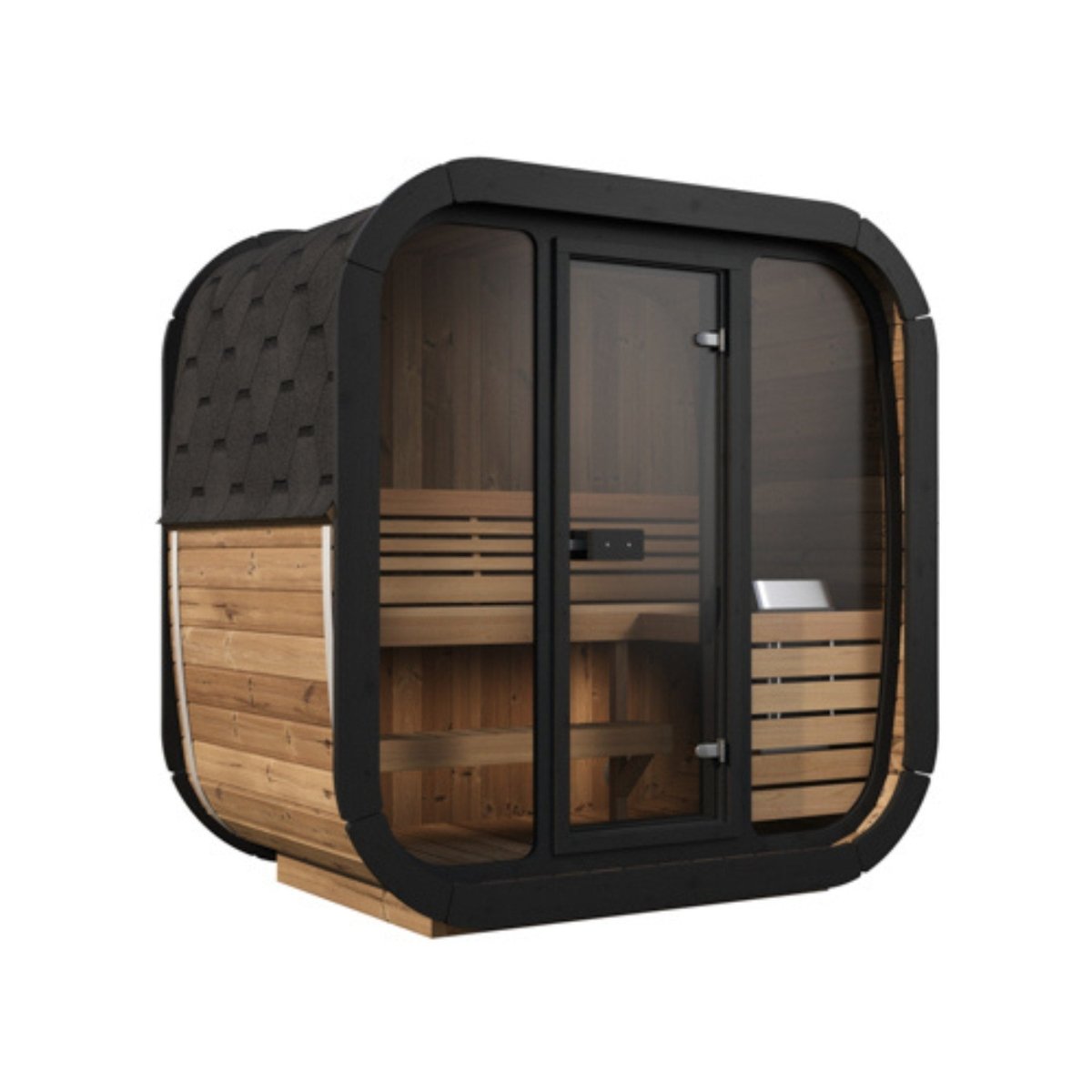
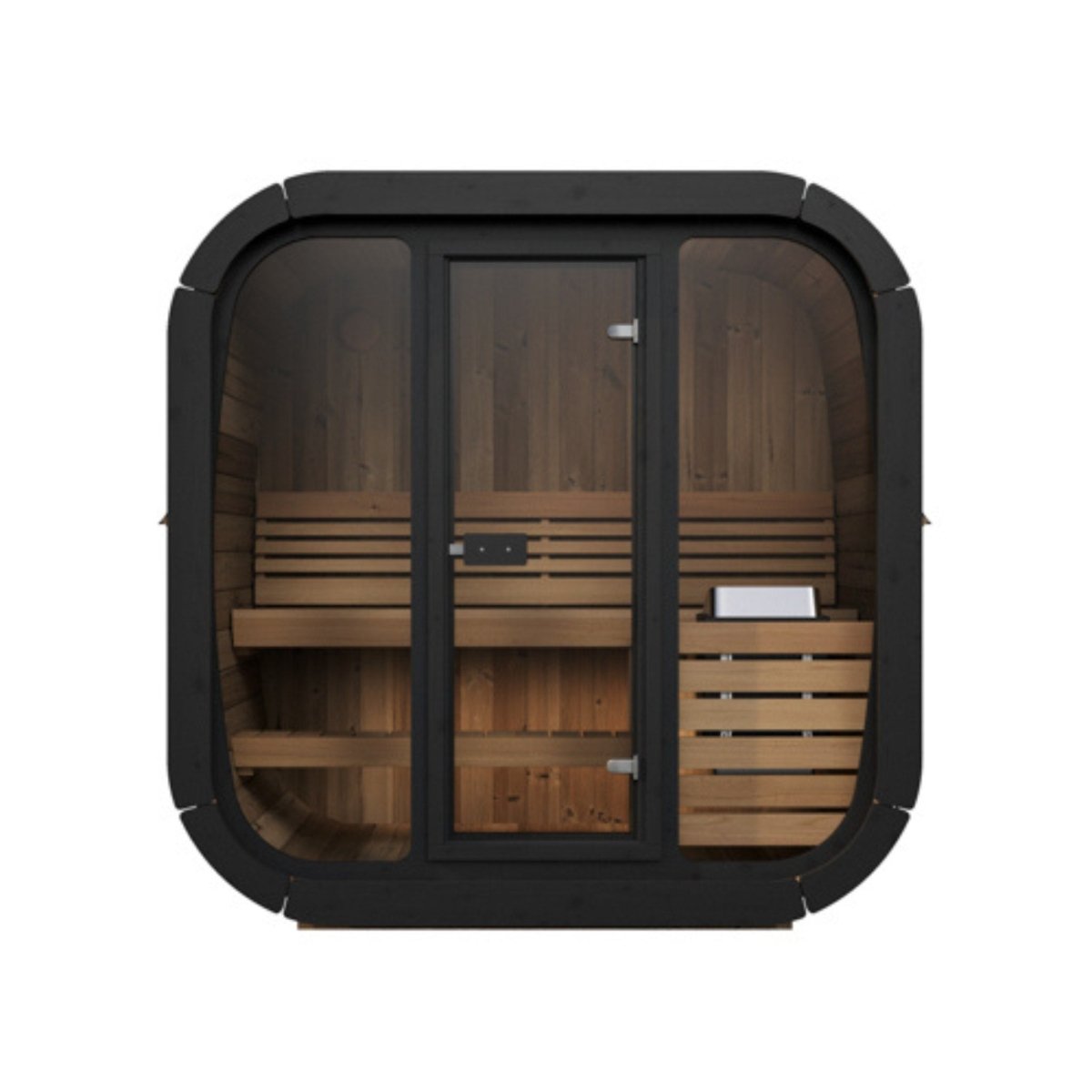
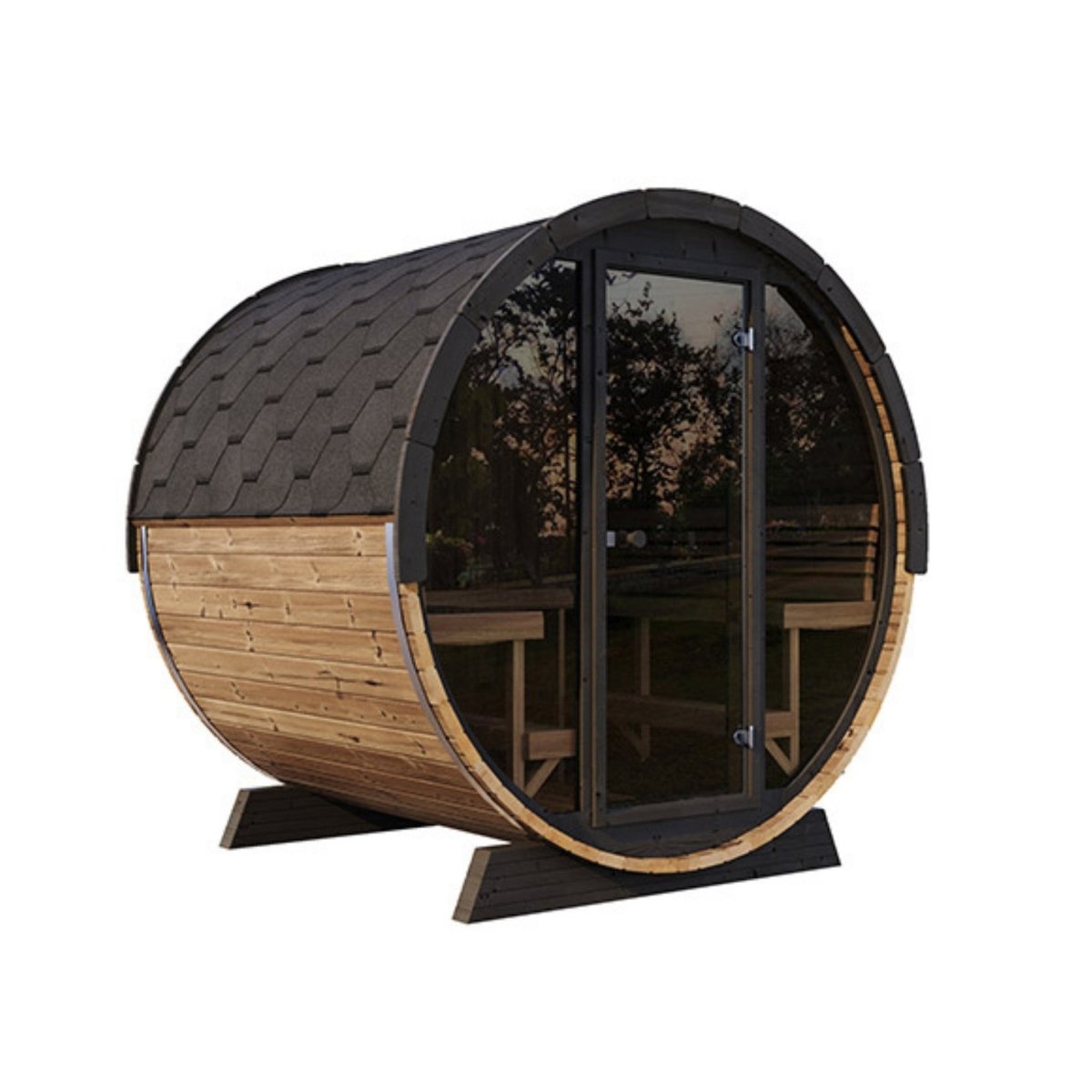
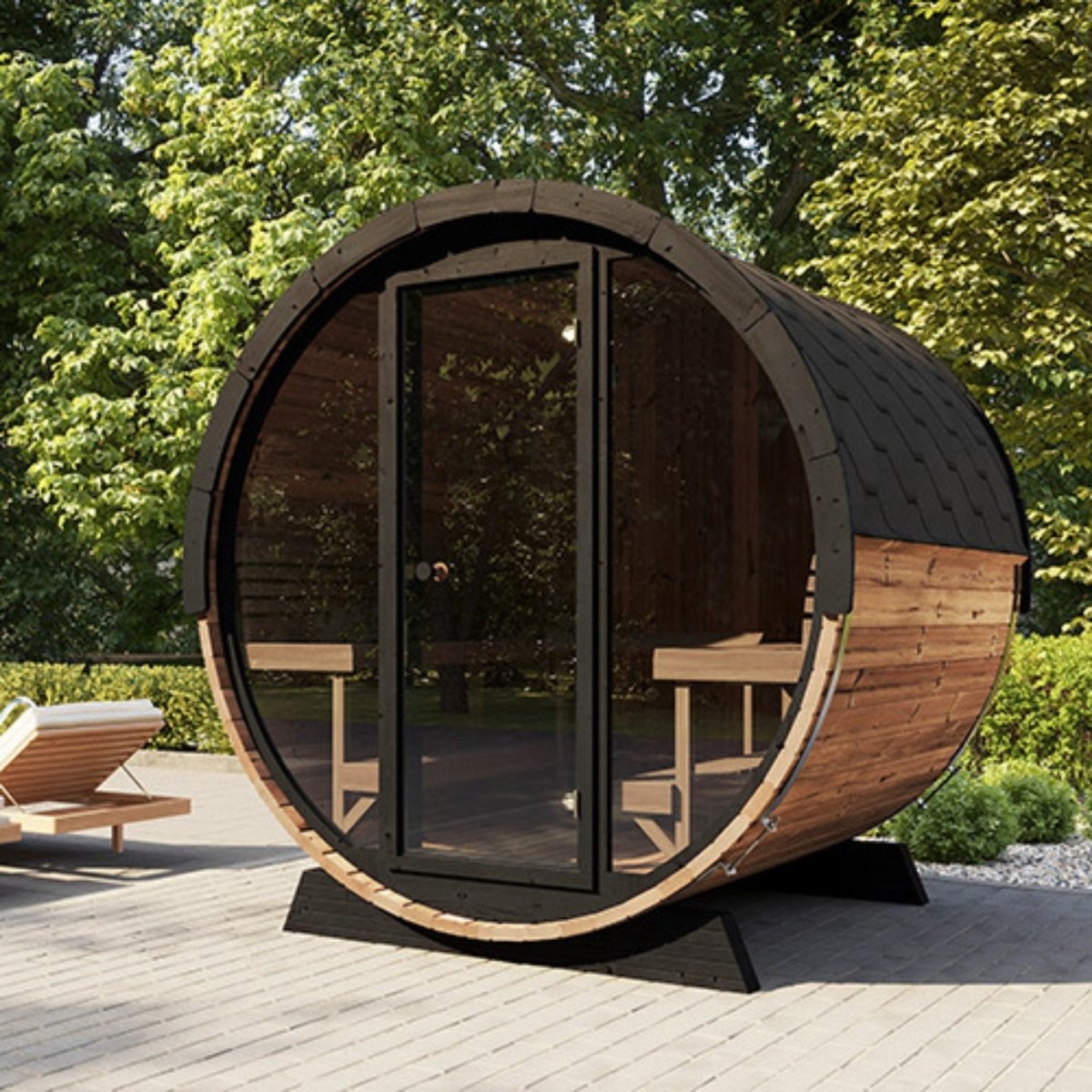
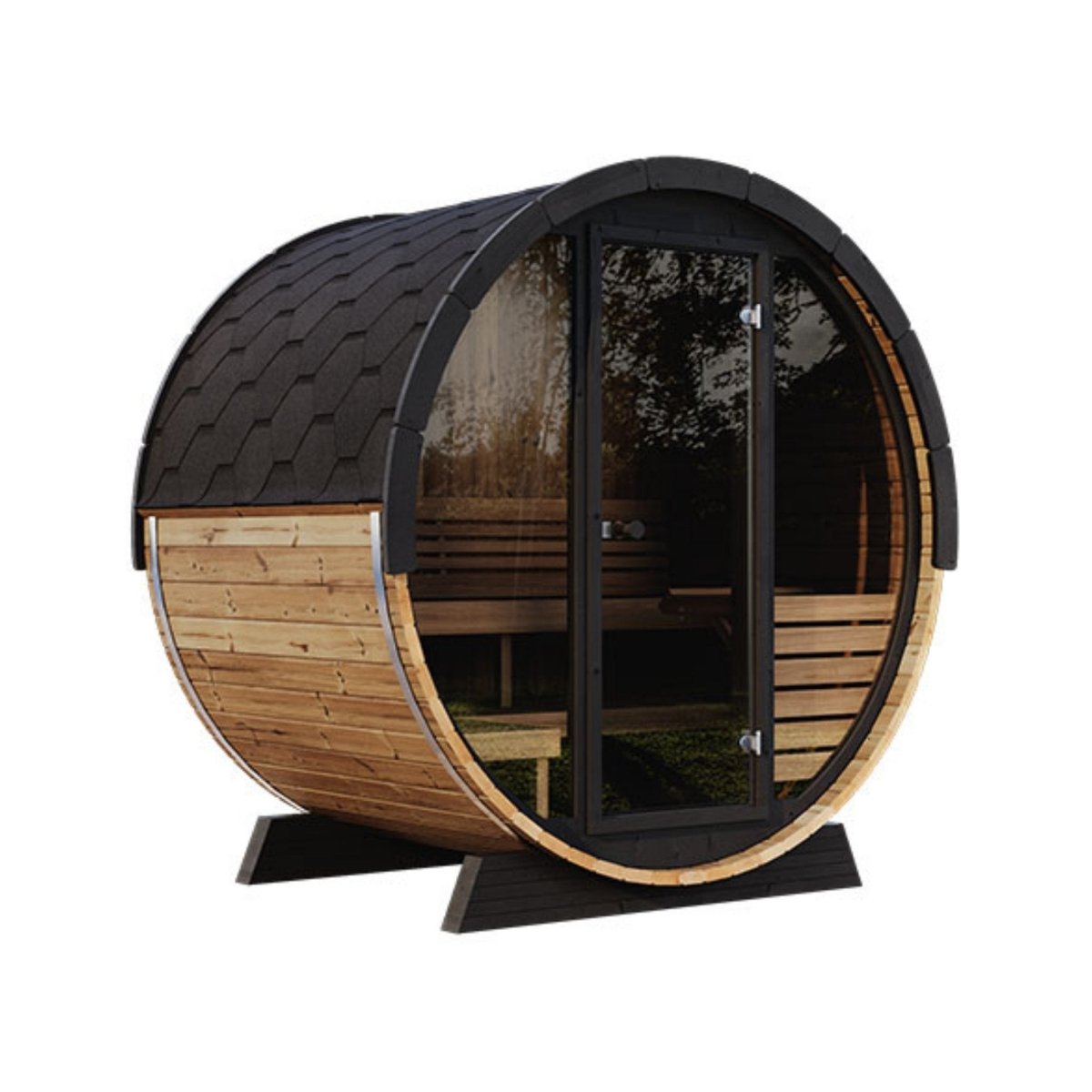
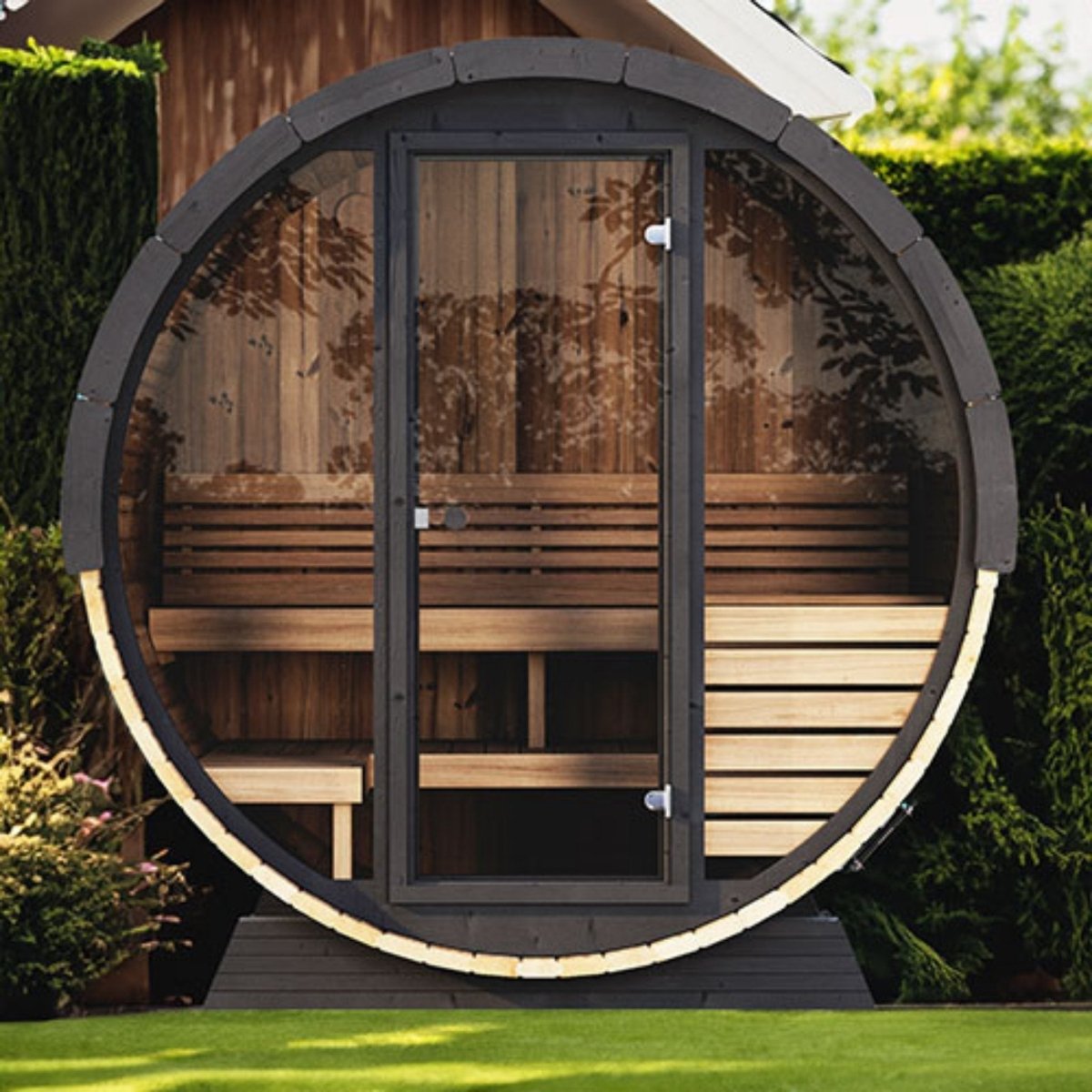
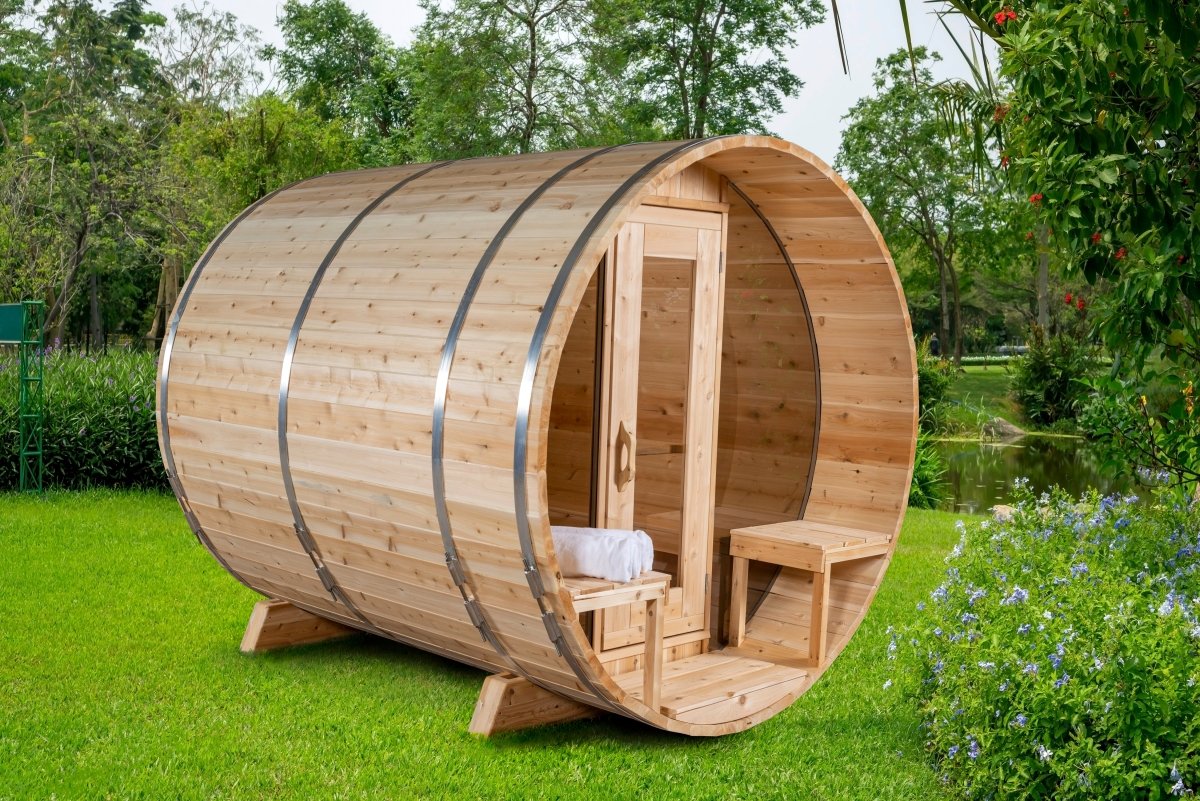
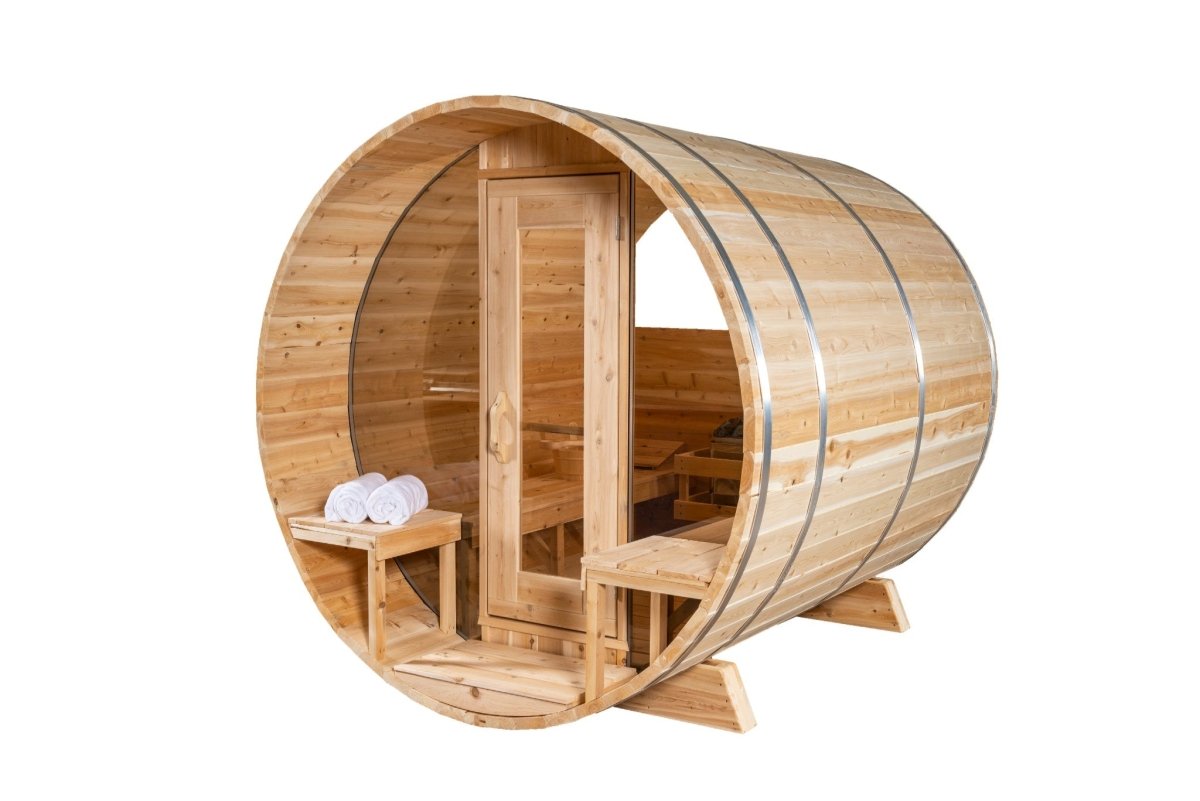
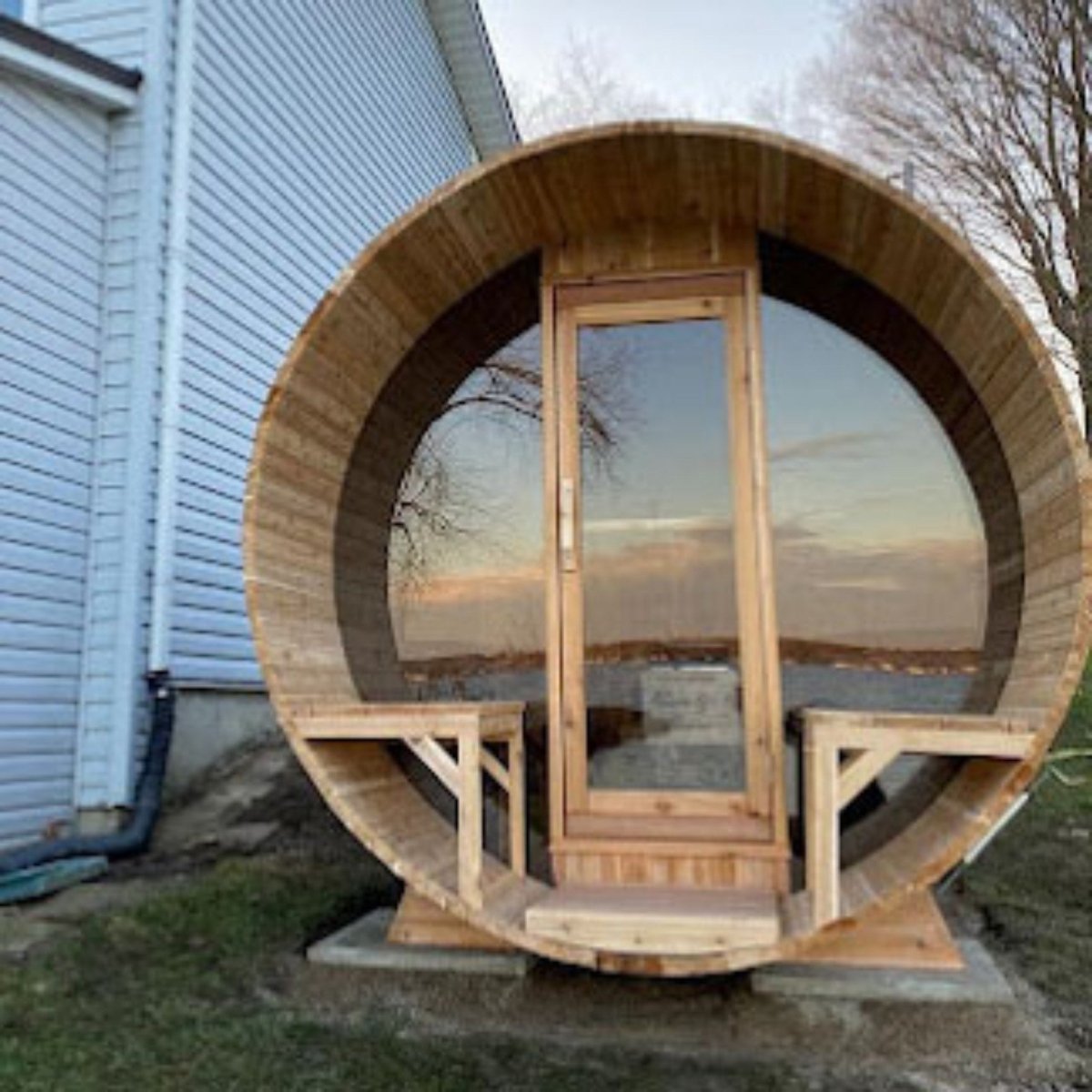
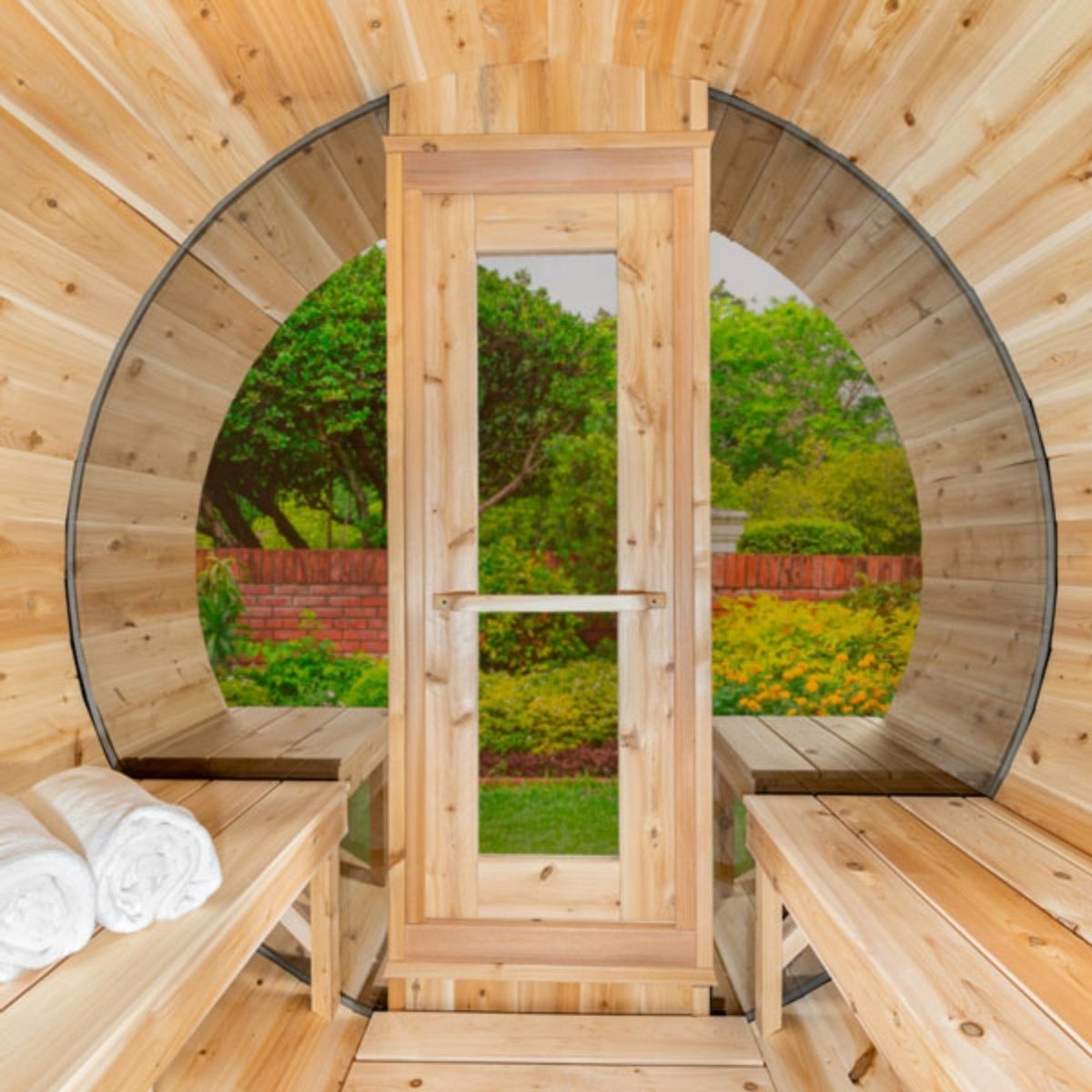
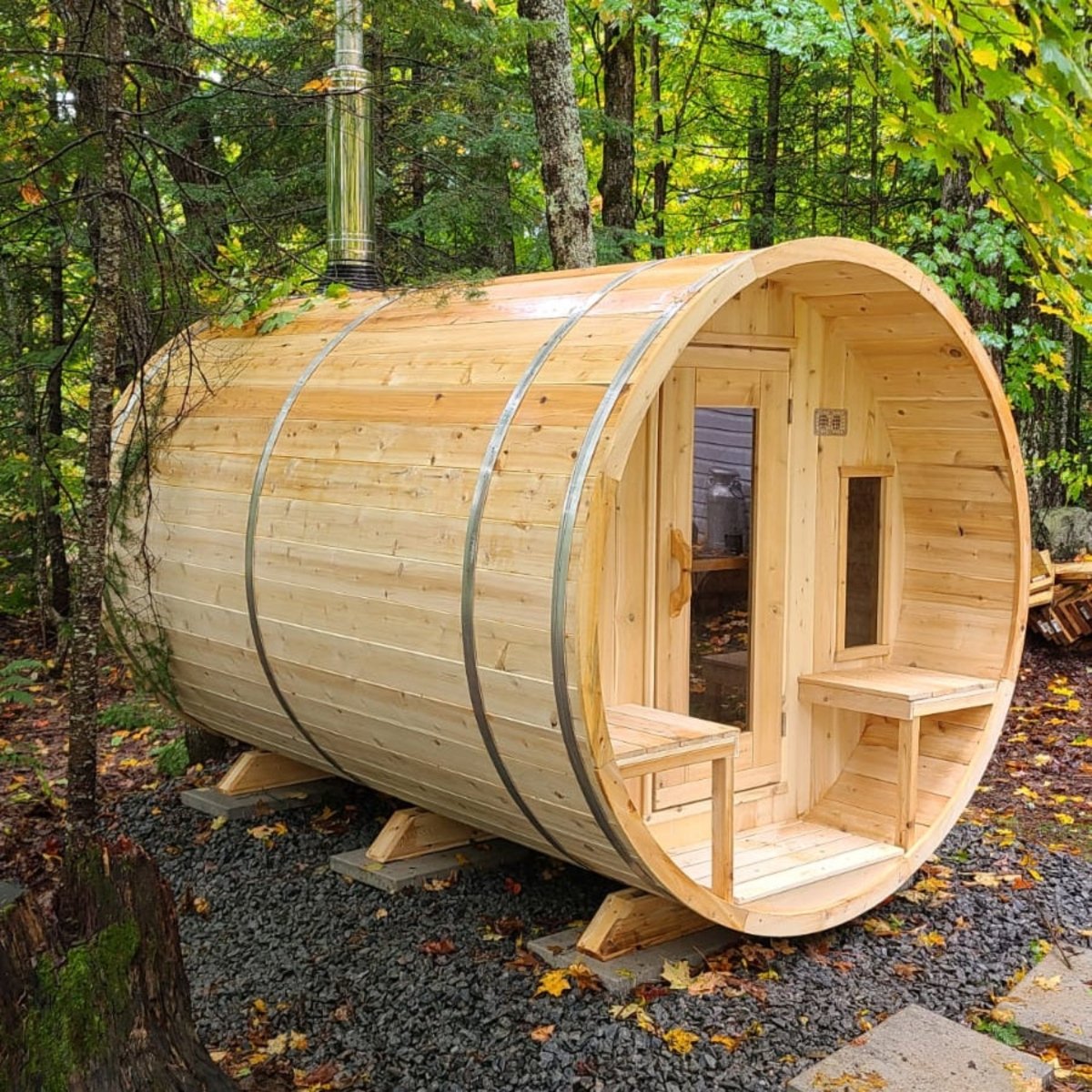
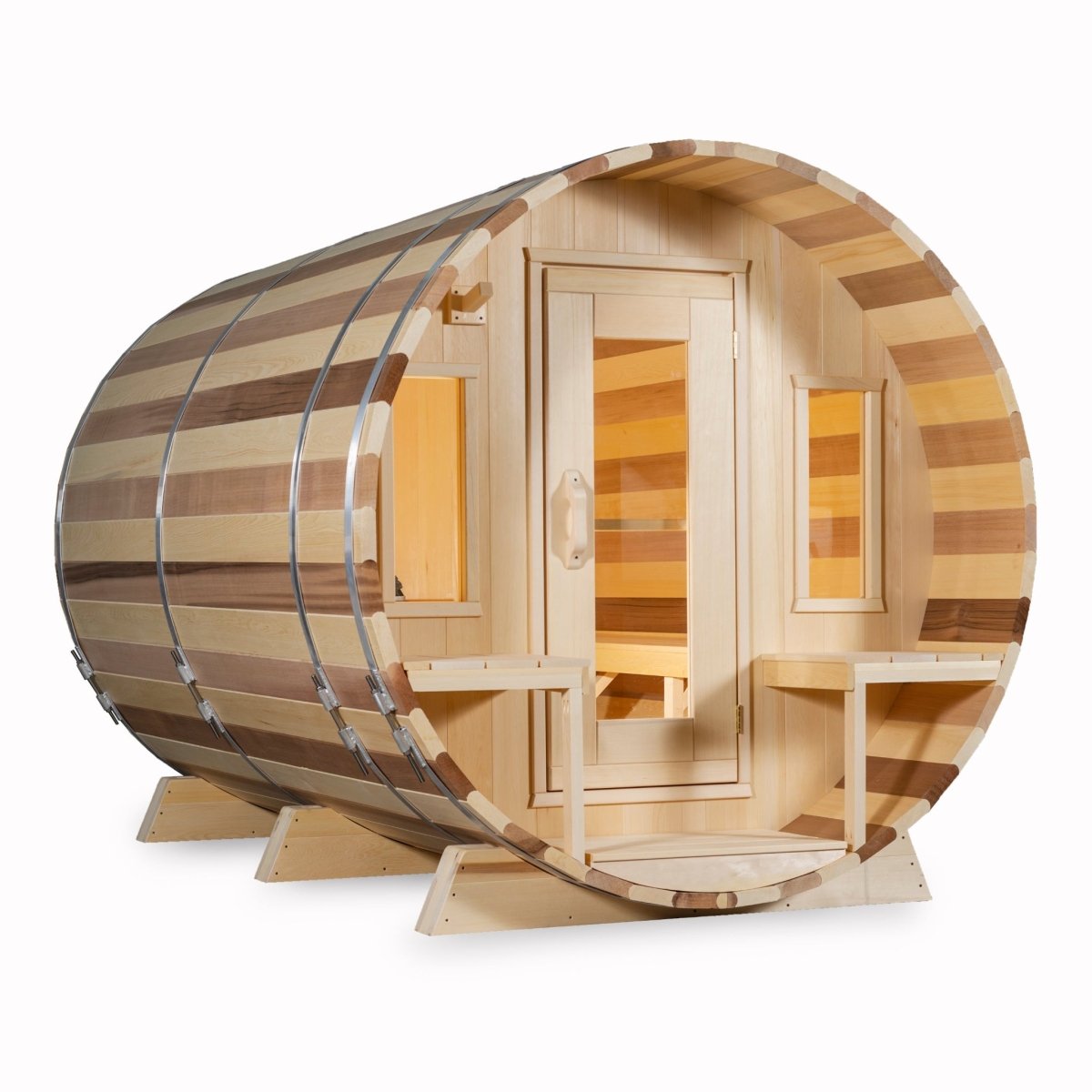
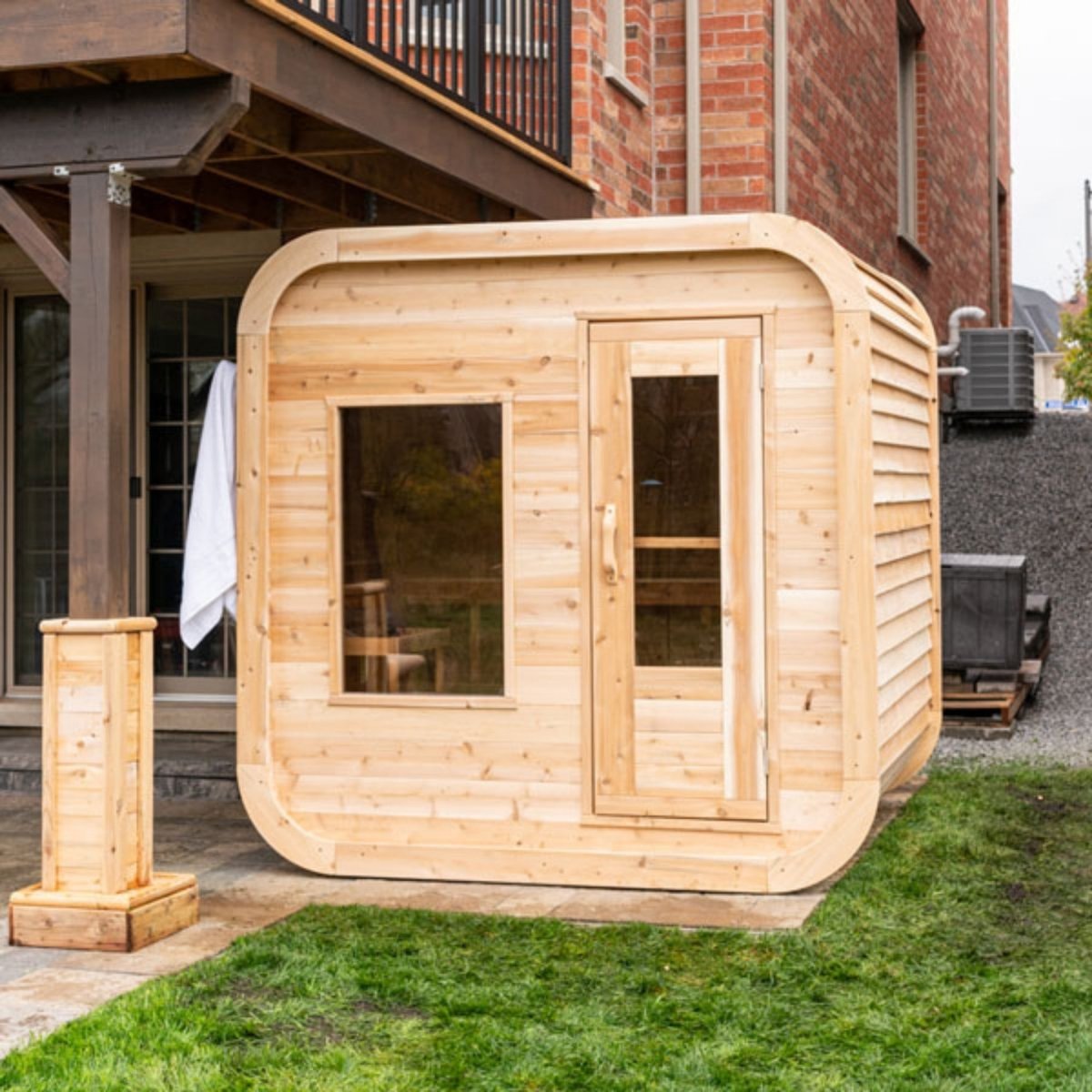
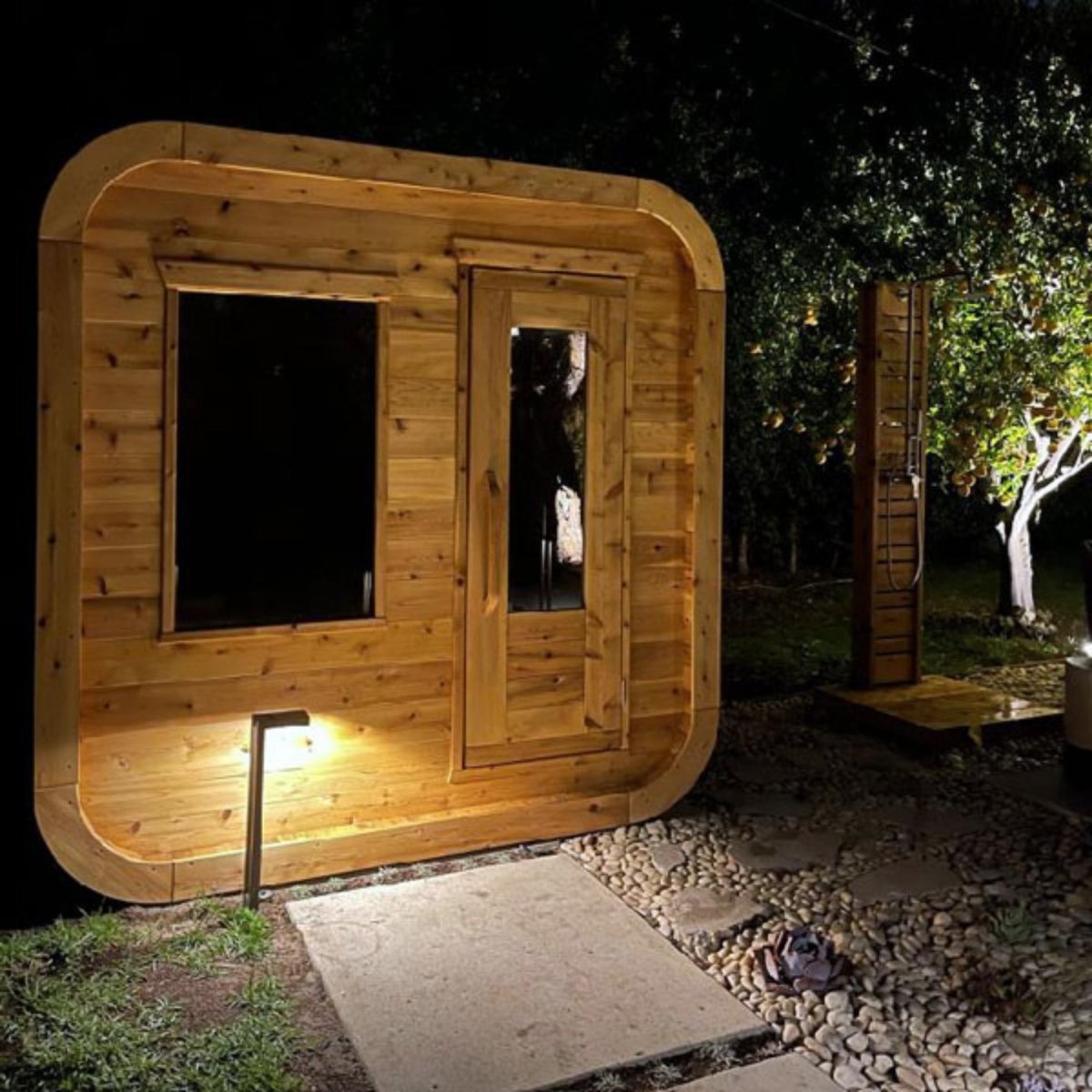
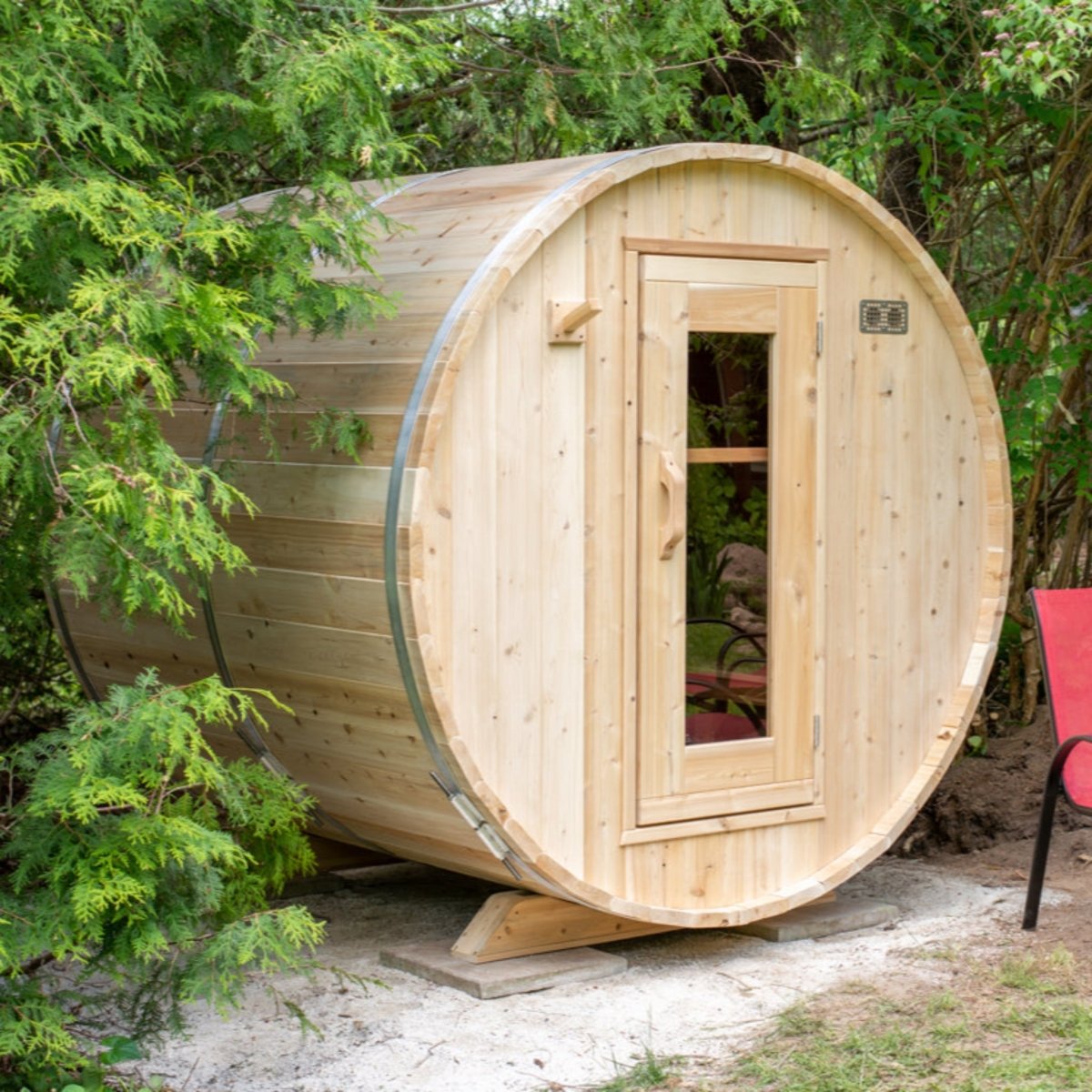
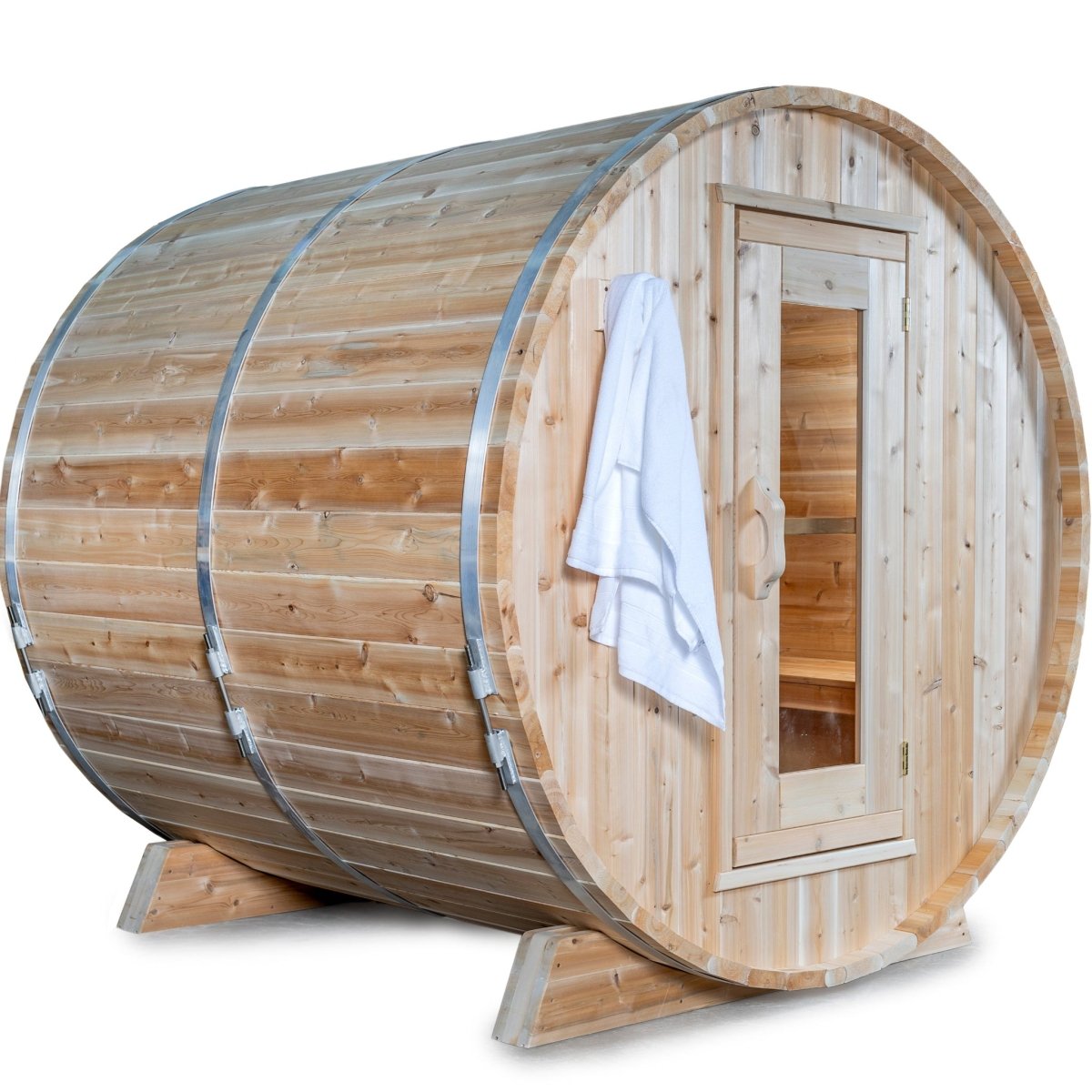
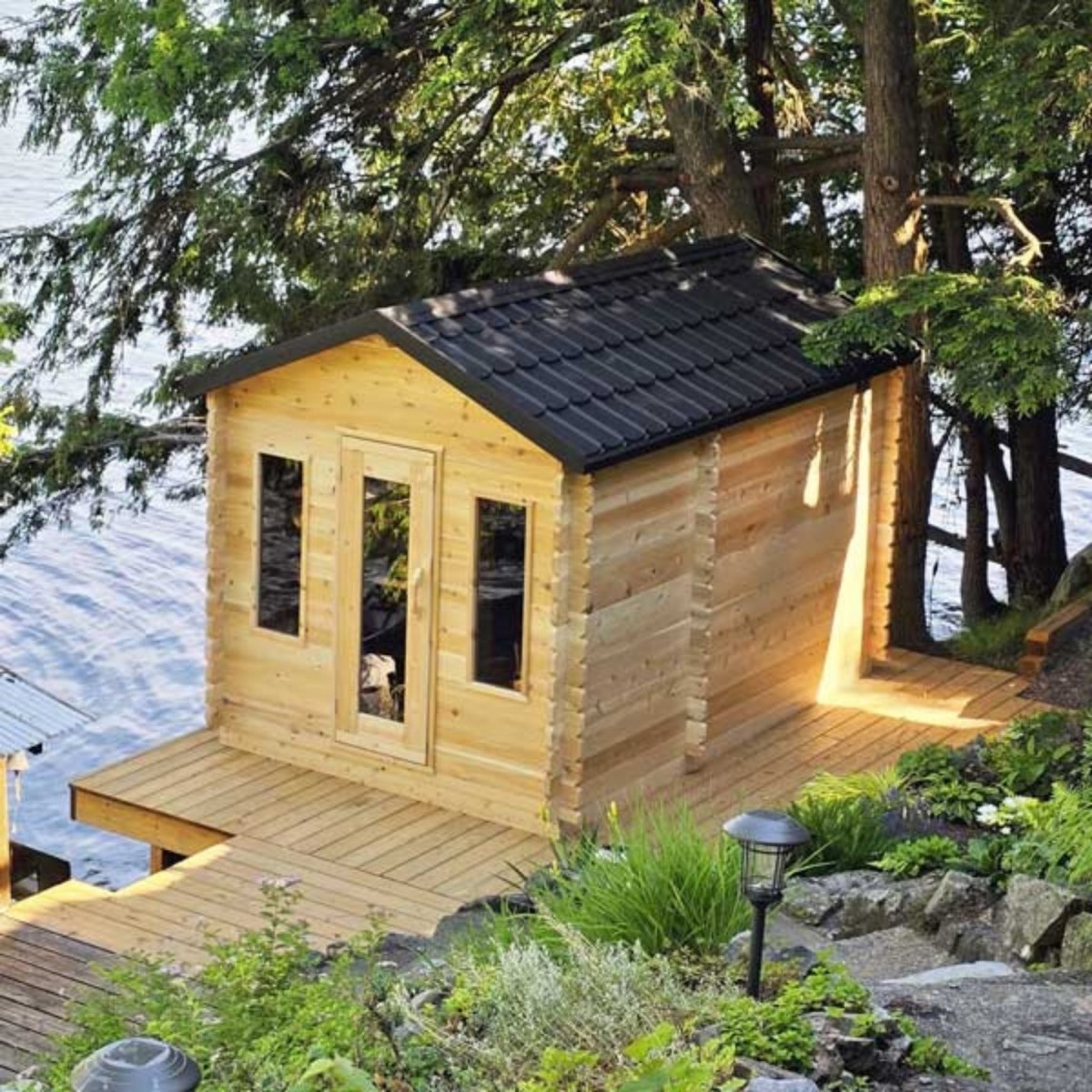
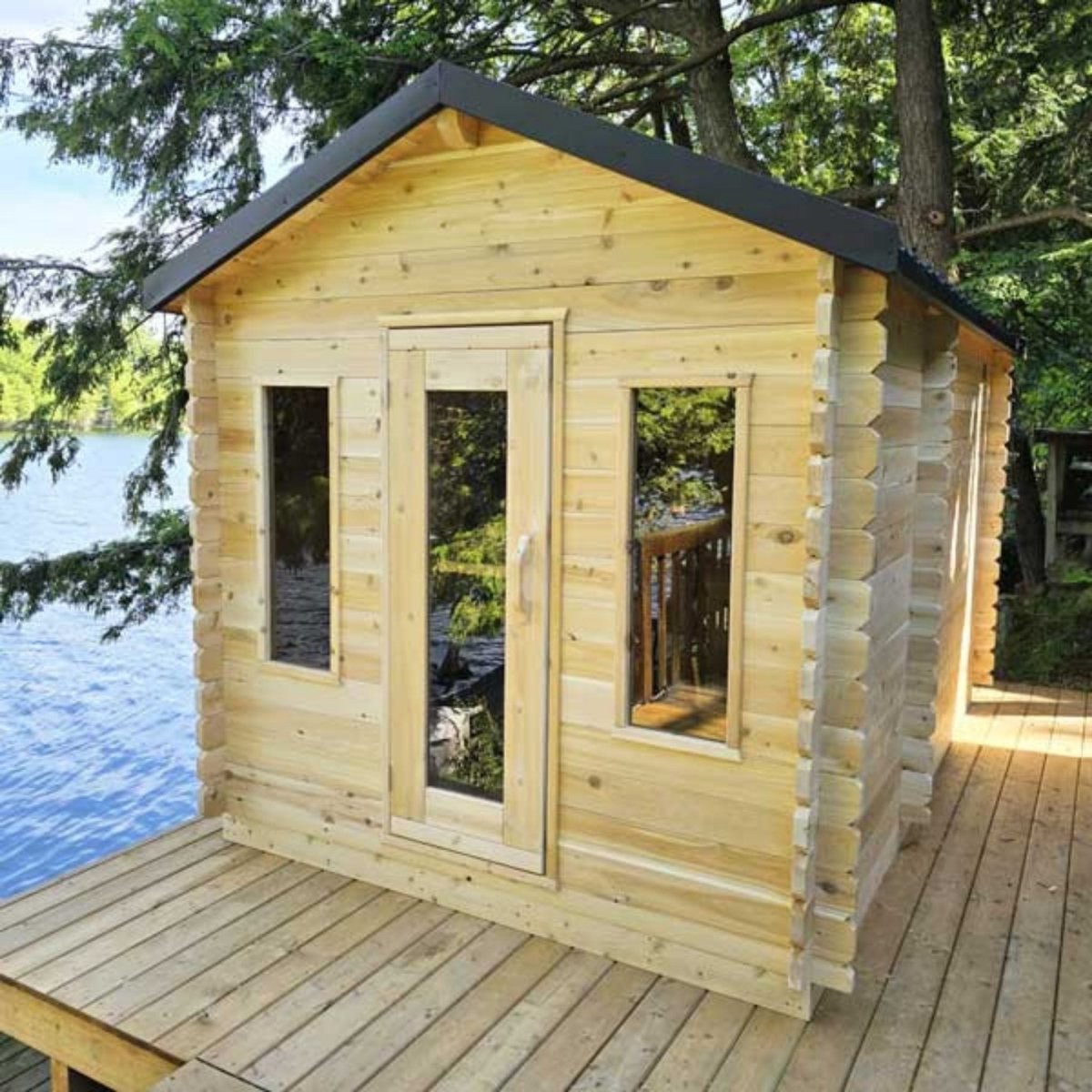
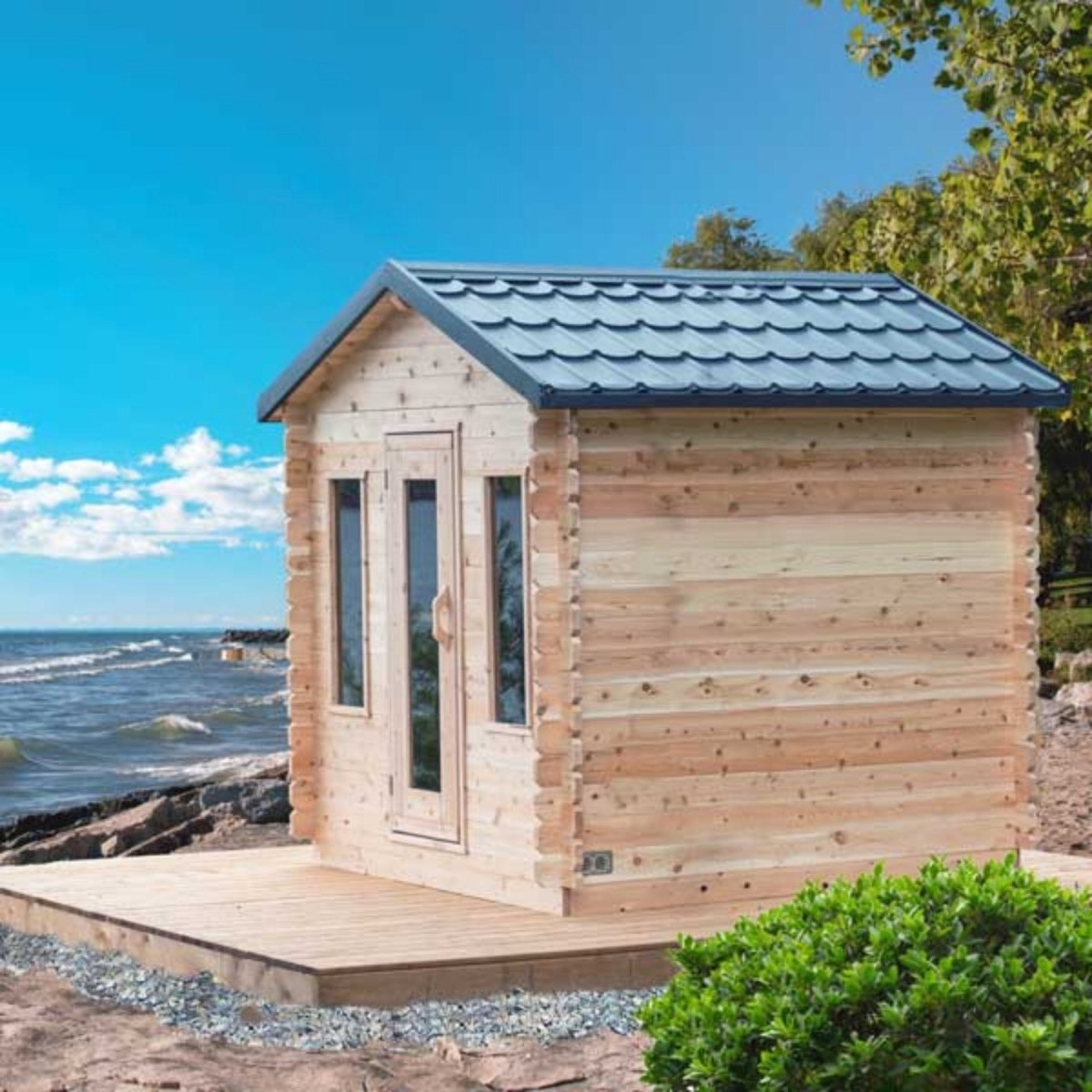
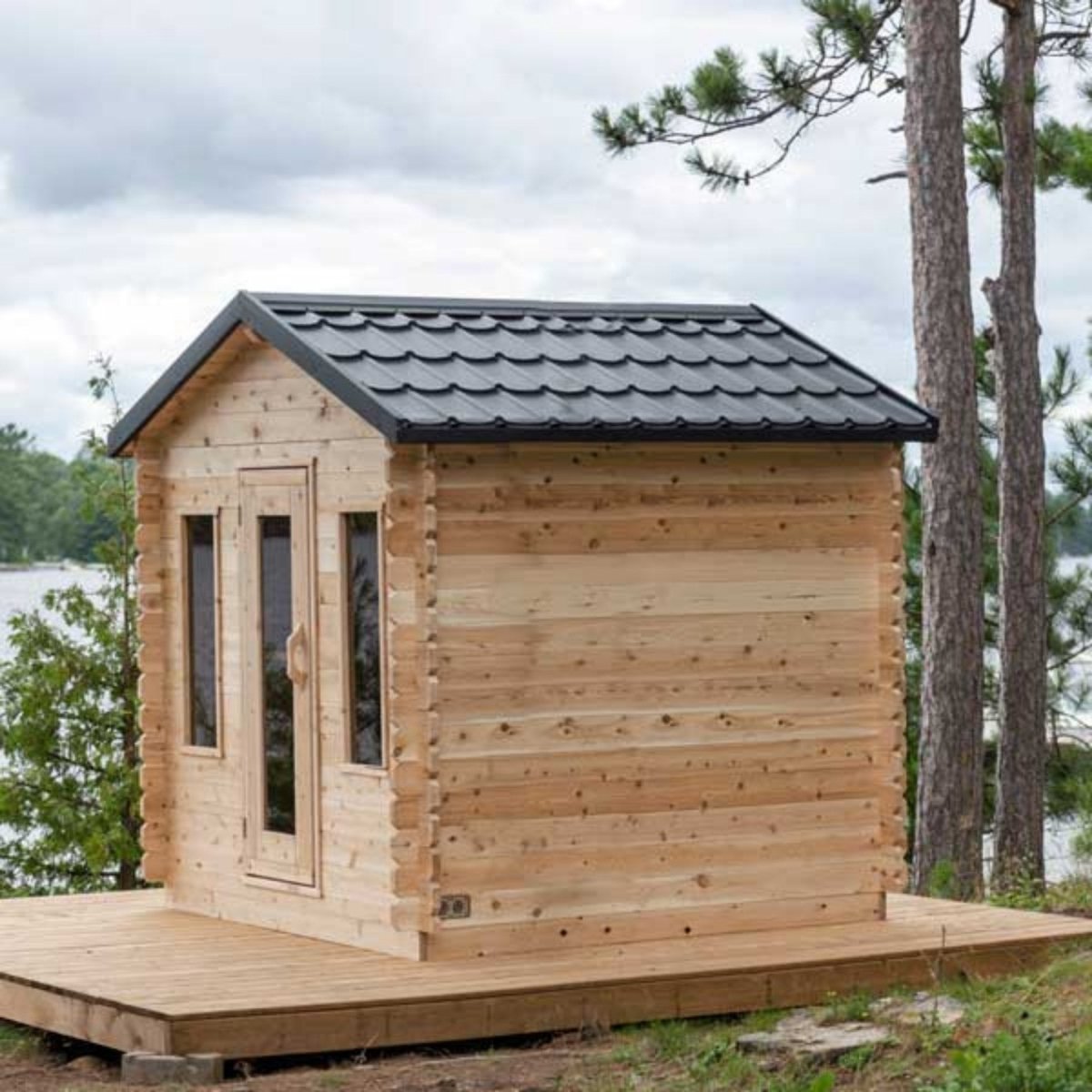


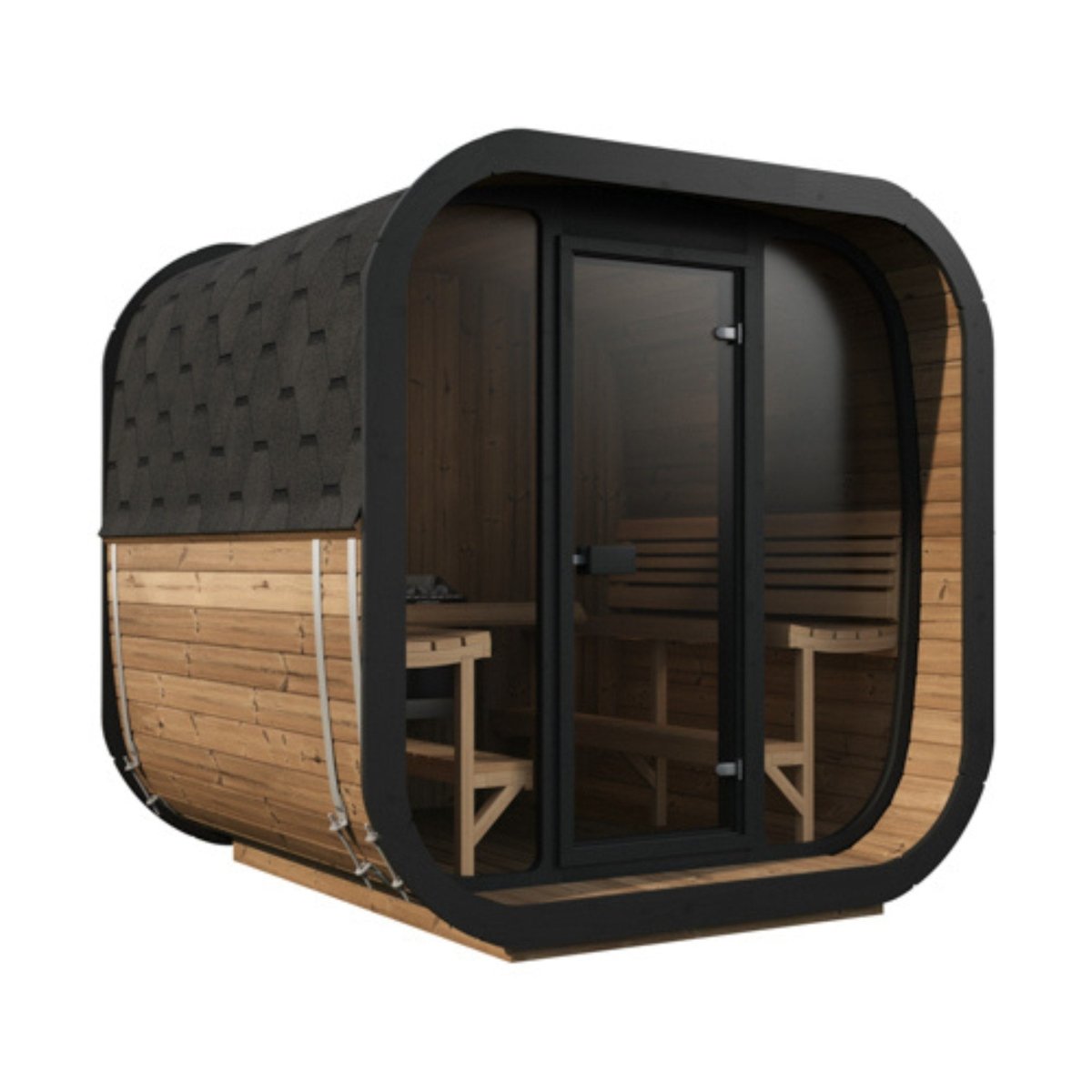
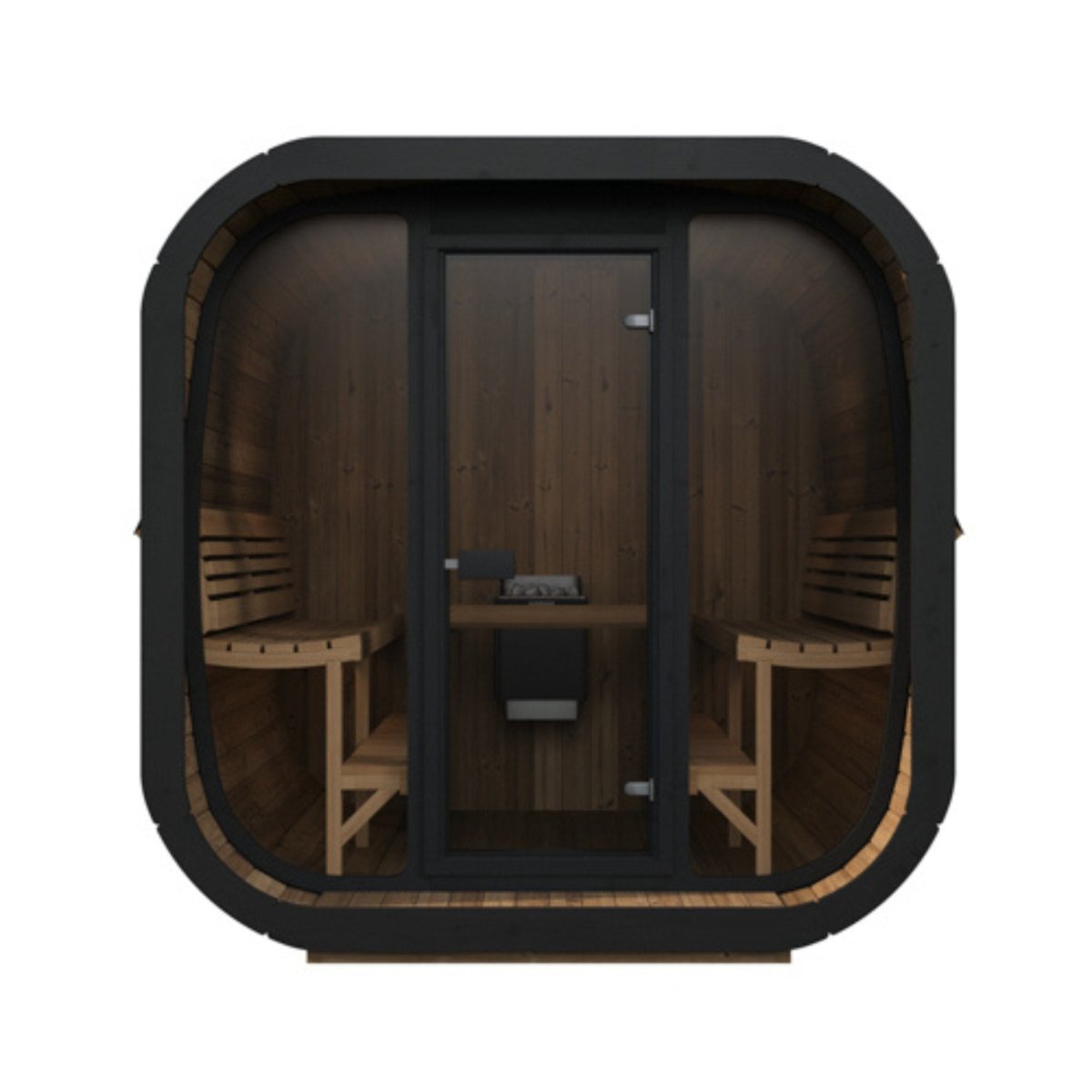

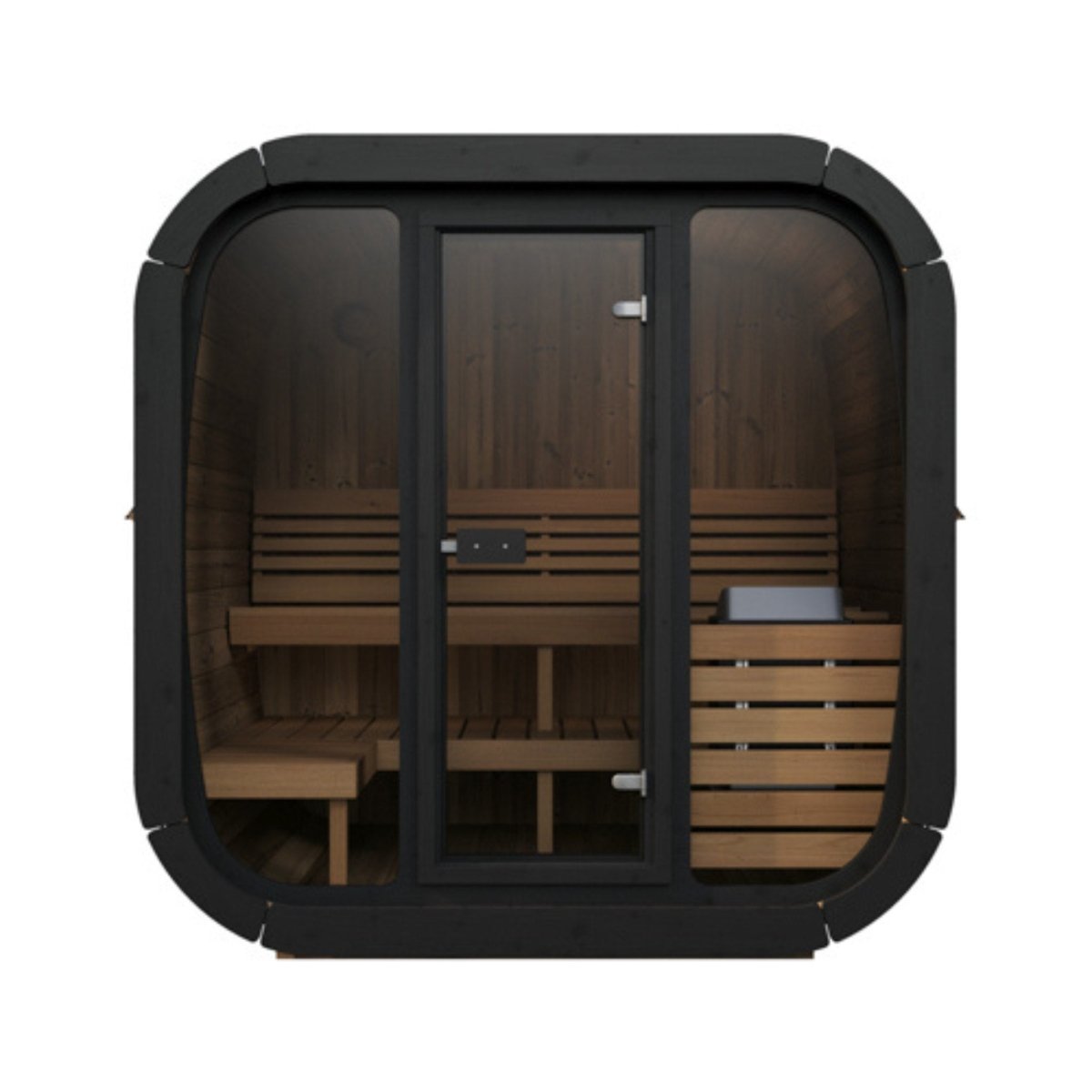
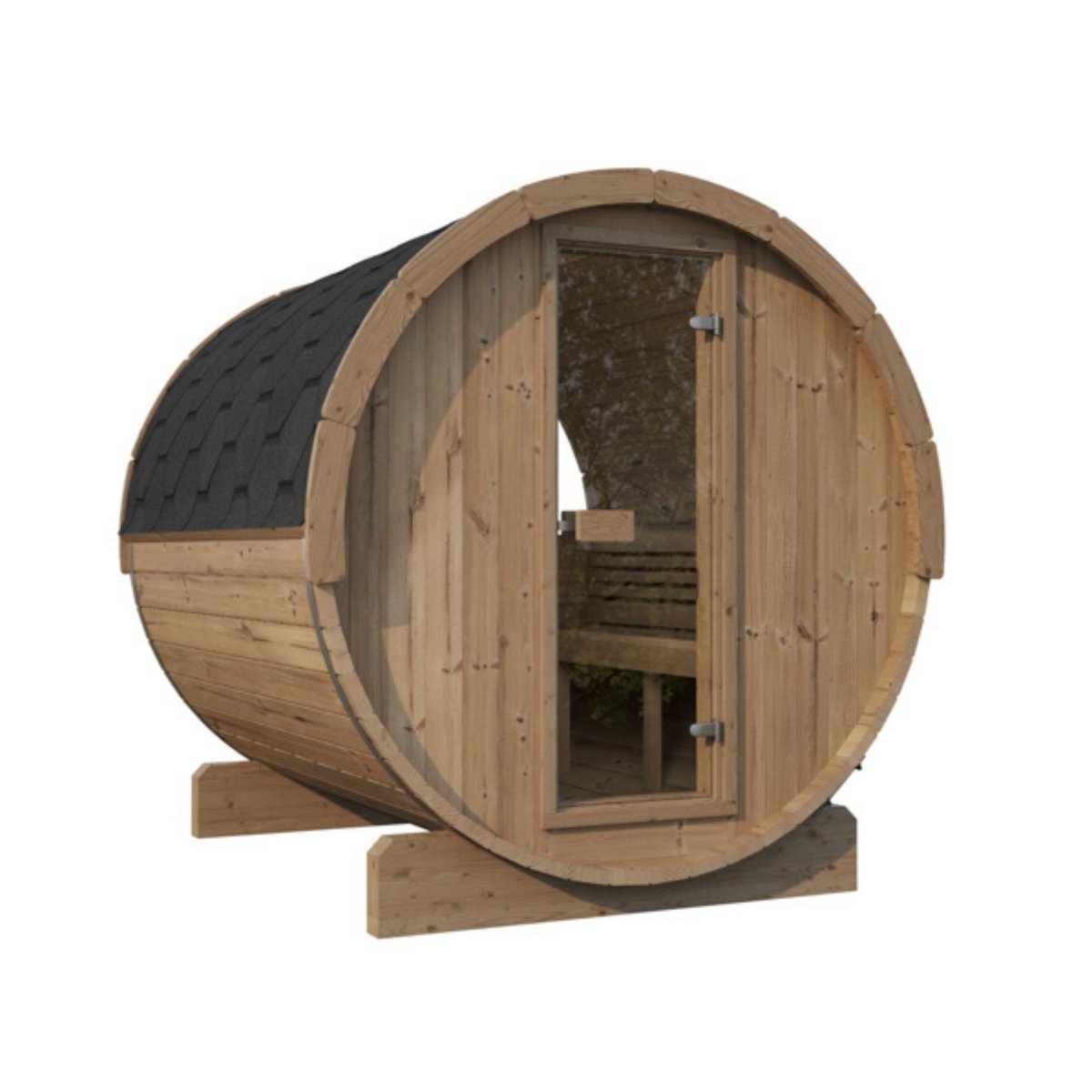
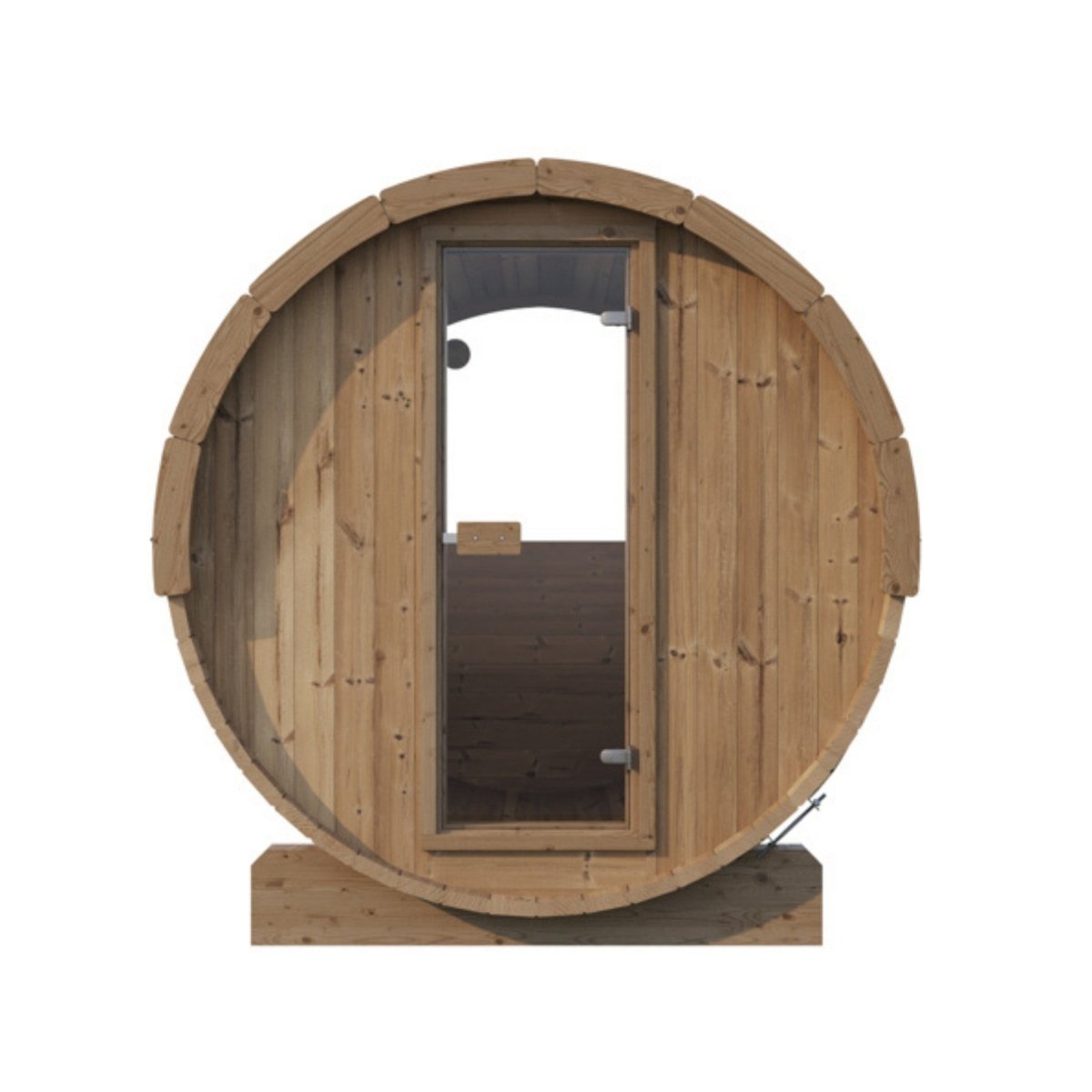
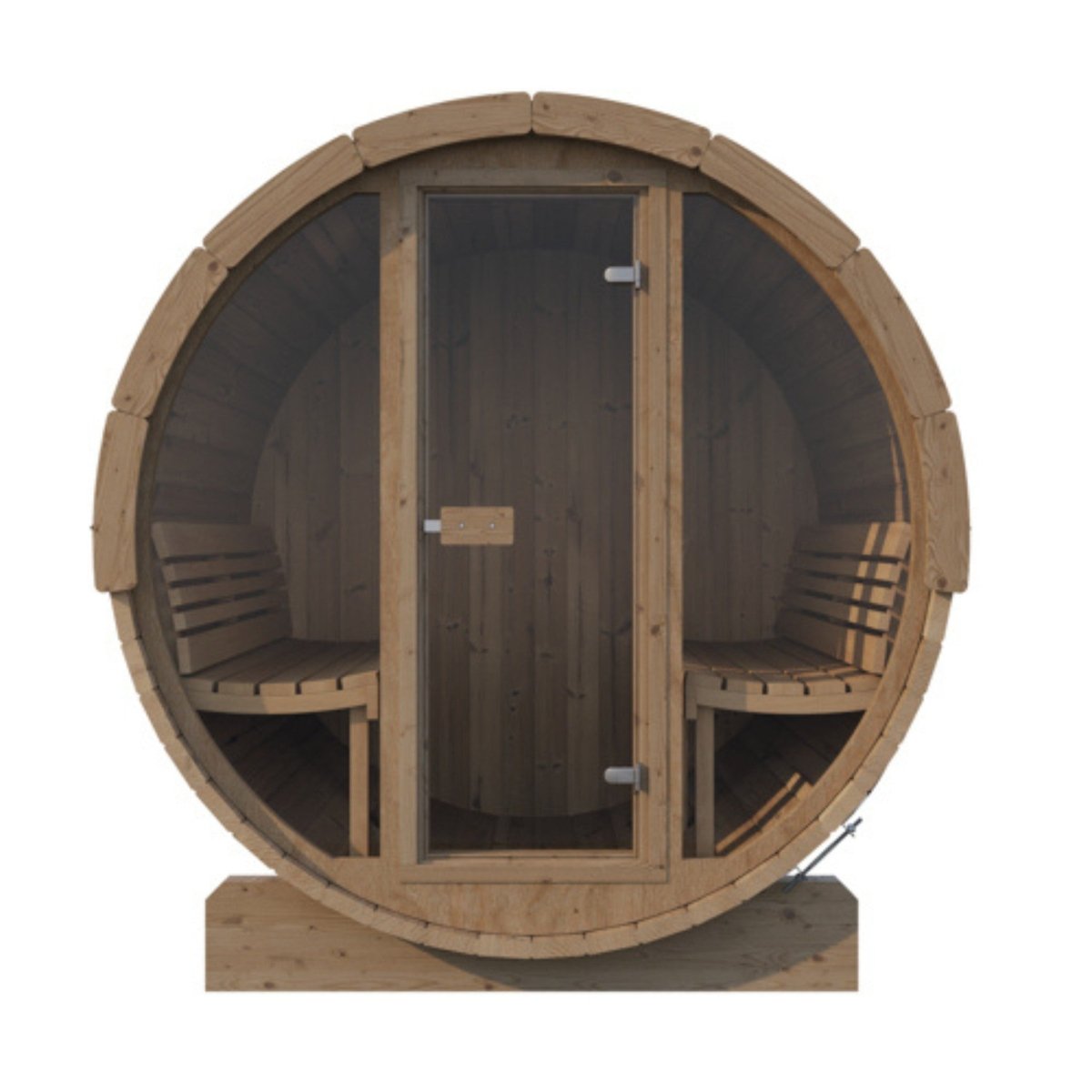
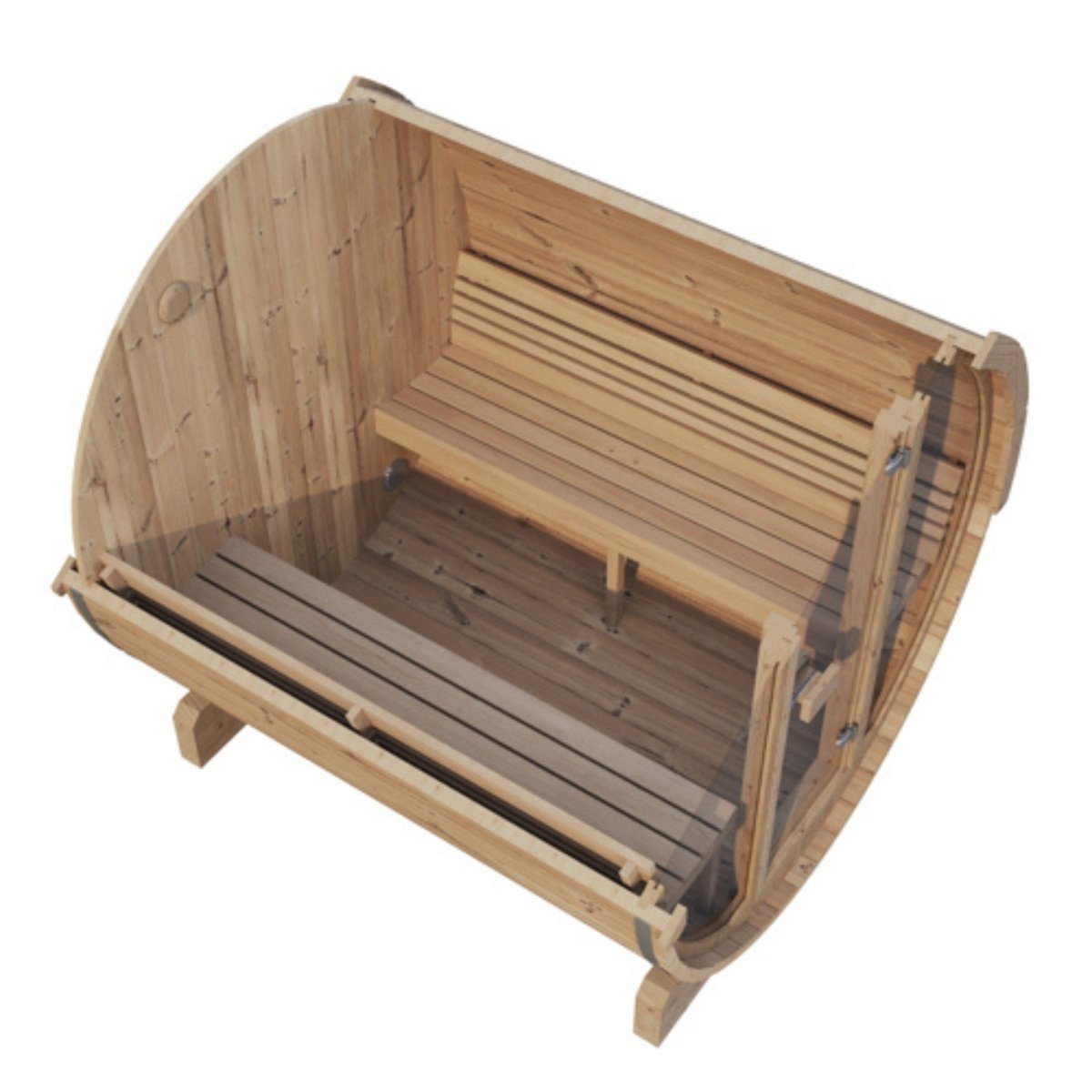
COMPARE THE DETAILS
Compare five outdoor traditional saunas for sale across barrel, cabin, cube, and rounded-corner designs. Review capacity, exterior size, wood construction, seating, glass, sauna heater options, weather protection, assembly requirements, warranty, and price to narrow down which sauna best fits your space and installation plan.
Explore traditional saunas for home and outdoor use, including barrel, cabin, and cube designs from established sauna manufacturers. Often described as traditional dry saunas, these wood saunas use an electric or wood-burning sauna heater and heated stones to create high heat with relatively low continuous humidity, while still allowing brief bursts of löyly when water is added to approved sauna stones.
Use this collection to compare traditional saunas for sale based on your available space, preferred sauna style, number of users, heater type, and setup needs. Review each product page for model-specific dimensions, materials, electrical or chimney requirements, recommended heater size, warranty, and installation guidance before choosing a sauna.
A traditional sauna uses an electric or wood-burning sauna heater to warm sauna stones, the surrounding air, and the interior of the room. This creates the high-temperature experience many people associate with Finnish and Nordic sauna bathing. Small amounts of water can also be poured over the hot stones, when permitted by the heater manufacturer, to create a temporary burst of steam known as löyly.
If you are still deciding between heating styles, read our infrared vs traditional sauna comparison to compare heat, temperature, electrical requirements, and installation.
Traditional home saunas are available in several formats. Barrel saunas use curved walls and are popular for backyard settings, while cabin designs provide straighter walls, more headroom, and flexible bench layouts. Cube-style outdoor saunas combine a modern shape with larger glass areas and open views. Wood construction also varies by model, including cedar and thermally modified woods selected for sauna environments.
Start with location, capacity, and interior layout. Measure the installation area and look at usable bench length rather than relying only on the advertised person capacity. If you are choosing an outdoor sauna, also consider the foundation, drainage, weather protection, delivery access, and how the sauna will perform in colder conditions.
If outdoor space is limited, the SaunaLife CL3G is the most compact model in this collection. Designed for up to two bathers, it measures approximately 53.2″ W × 51.2″ D × 81.9″ H, making it a practical option for smaller patios and backyard spaces where a larger barrel or cabin sauna may not fit.
Heater selection is equally important. Interior volume is the starting point, but large glass areas and other less-insulated surfaces can increase the heating load. Compare the sauna manufacturer's recommended heater range and decide whether an electric sauna heater or wood-burning stove is the better fit for your property. Electrical work, chimney installation, and other regulated work should be completed according to local requirements.
If you are still comparing sauna types, sizes, and installation options, read our Home Sauna Buying Guide for broader purchase planning.
You can also explore our SaunaLife sauna collection to compare Cube, barrel, and Garden models, browse LeisureCraft Saunas for Home & Outdoor Wellness , or explore 5 Person Saunas for Home for additional options.
Start with where the sauna will go, how many people will use it, and the type of experience you want. When comparing traditional saunas for sale, look beyond exterior size and person capacity. Compare the interior bench layout, wood construction, heater requirements, glass area, ventilation, foundation needs, and whether the sauna is designed for indoor or outdoor use. A smaller barrel sauna may be ideal for a couple, while a cabin or cube can provide more headroom and flexible seating for a family. Also consider the wood itself. LeisureCraft uses cedar across many models, while SaunaLife uses thermally modified woods such as Thermo-Spruce and Thermo-Aspen on many of its outdoor saunas.
Traditional sauna cabins and kits in this collection generally range from about $4,000 to $10,000+ USD before installation. The final project cost can be higher because the sauna heater, controls, sauna stones, electrical or chimney work, foundation preparation, and accessories may be purchased separately depending on the model. Always confirm what is included with the specific sauna before comparing prices.
The shape changes more than the appearance. A barrel sauna has curved walls and less unused interior air space, which can support efficient heat circulation and make it a popular backyard sauna design. Cabin saunas have straight walls, more headroom, and greater flexibility for upper and lower benches. Cube saunas offer a modern look with taller interiors and large glass areas that open the view. If you like to lie down or sauna with several people, pay close attention to usable bench length rather than only the advertised capacity.
Traditional saunas commonly operate around 160°F to 195°F (70°C to 90°C), although the right sauna temperature comes down to personal comfort. Unlike infrared systems, a traditional sauna heats the stones, surrounding air, and interior surfaces to create a high-heat environment. Electric heaters often bring a properly sized sauna to bathing temperature in roughly 30 to 45 minutes. You do not need to chase the highest possible temperature. A properly sized sauna should give you stable, controllable heat throughout the session.
The sauna heater needs to match the actual heating load of the room. Interior volume is the starting point, but it is not the only factor. Large glass doors or windows, the sauna's construction, outdoor climate, and other less-insulated surfaces can increase the amount of heat required. This is why two saunas with similar floor dimensions may call for different heater sizes. An undersized heater can take longer to warm the sauna and may struggle to maintain temperature. When choosing an electric sauna heater or wood-burning stove, follow the heater manufacturer's approved room-size range and the sauna manufacturer's recommendations rather than choosing by kilowatt rating alone.
An electric sauna heater is usually the most convenient option for a traditional home sauna. Once installed, you can set the controls, heat the stones, and bring the room to temperature without tending a fire. Electric heaters normally require a dedicated high-voltage circuit installed by a qualified electrician, with the exact voltage and amperage depending on the heater. A wood-burning sauna stove creates a more hands-on experience and can work well for cottages or locations where electrical service is limited. It requires firewood, proper clearances, a chimney system, and safe venting.
Traditional saunas are often called dry saunas because the room normally has relatively low humidity, but that does not mean the experience must stay completely dry. A traditional sauna heater warms a bed of sauna stones. When a small amount of water is poured over the hot stones, it creates a temporary burst of steam known in Finnish sauna culture as löyly. This briefly increases humidity and changes how the heat feels on your skin.
Plan the site before the sauna arrives. An outdoor sauna needs a flat, stable, load-bearing surface with good drainage. Depending on the model, suitable bases may include concrete, compacted gravel, patio stones, or a properly rated deck. Avoid installing a wood sauna directly on grass or bare soil where moisture can collect underneath it. You should also confirm exterior dimensions, delivery access, heater location, ventilation, drainage, electrical or chimney requirements, and local codes. Many outdoor sauna kits are designed for on-site assembly.
Compare how infrared and traditional saunas differ in heating style, temperature, humidity, electrical requirements, and installation.
Compare Sauna TypesCompare cedar, hemlock, aspen, and spruce for sauna construction, including heat performance, durability, aroma, appearance, and maintenance.
Compare Sauna WoodsUnderstand 120V vs 240V service, dedicated circuits, amperage, breaker sizing, wiring, and electrical planning for sauna installation.
Plan the Electrical SetupSupport before, during and after your purchase.
Orders are generally processed within 1–3 business days, Monday through Friday, excluding holidays.
After processing, your order is prepared for fulfillment by the applicable manufacturer, supplier, or fulfillment partner. You will receive a shipping confirmation email when tracking information becomes available.
When tracking is available, we will email the carrier name, tracking number, and tracking link after your order ships.
For freight deliveries, the carrier may also contact you directly to arrange a delivery appointment. Tracking updates and estimated delivery dates are provided by the carrier and may change while the shipment is in transit.
Eligible products may be returned within the return period specified for the applicable product or manufacturer. Many eligible products have a 30-day return window, but return periods, product-condition requirements, restocking fees, and eligibility vary.
Some products are final sale, non-cancellable, or subject to shorter return periods. Product-specific terms apply where stated.
Review our Refund and Return Policy and the applicable product page before purchasing.
You may request a price match before purchasing or within 30 days after purchase.
To qualify, the competing offer generally must:
Marketplace sellers, auction sites, warehouse clubs, bundles, rebates, limited-time promotions, and offers that conflict with manufacturer pricing policies may be excluded.
Warranty terms vary by manufacturer and product. Coverage may apply to specified parts, labor, or product replacement, subject to the manufacturer's exclusions, claim requirements, and warranty period.
Applicable warranty information may be provided on the product page, in the product documentation, or by the manufacturer. Contact us before purchasing if you need confirmation of the warranty terms for a specific product.
My Energy Flow can assist with initiating a warranty inquiry, but the manufacturer determines warranty eligibility and the available remedy.

Let’s Plan Your Wellness Space
Questions about product selection, sizing, delivery or installation requirements?
Speak with My Energy Flow about the equipment you’re considering. During your consultation, we’ll review your space, discuss product specifications and identify the setup details to confirm before ordering.
No commitment. Just guidance from a wellness-focused team.
Feedback on products, buying guidance and service across our wellness range.


Prefer email instead?
You can reach out with any questions about products, installation, or delivery — and our team will get back to you with clear, friendly guidance to help you move forward confidently.
Wellness Disclaimer
At My Energy Flow, our products are designed to support a more intentional lifestyle — not to diagnose, treat, cure, or prevent any disease or medical condition.
Content on this page is for general awareness only and is not intended as medical advice. Individual experiences may vary. Please consult a licensed healthcare professional before beginning any new wellness routine, especially if you are pregnant, nursing, have a pre-existing condition, or are taking medication.