
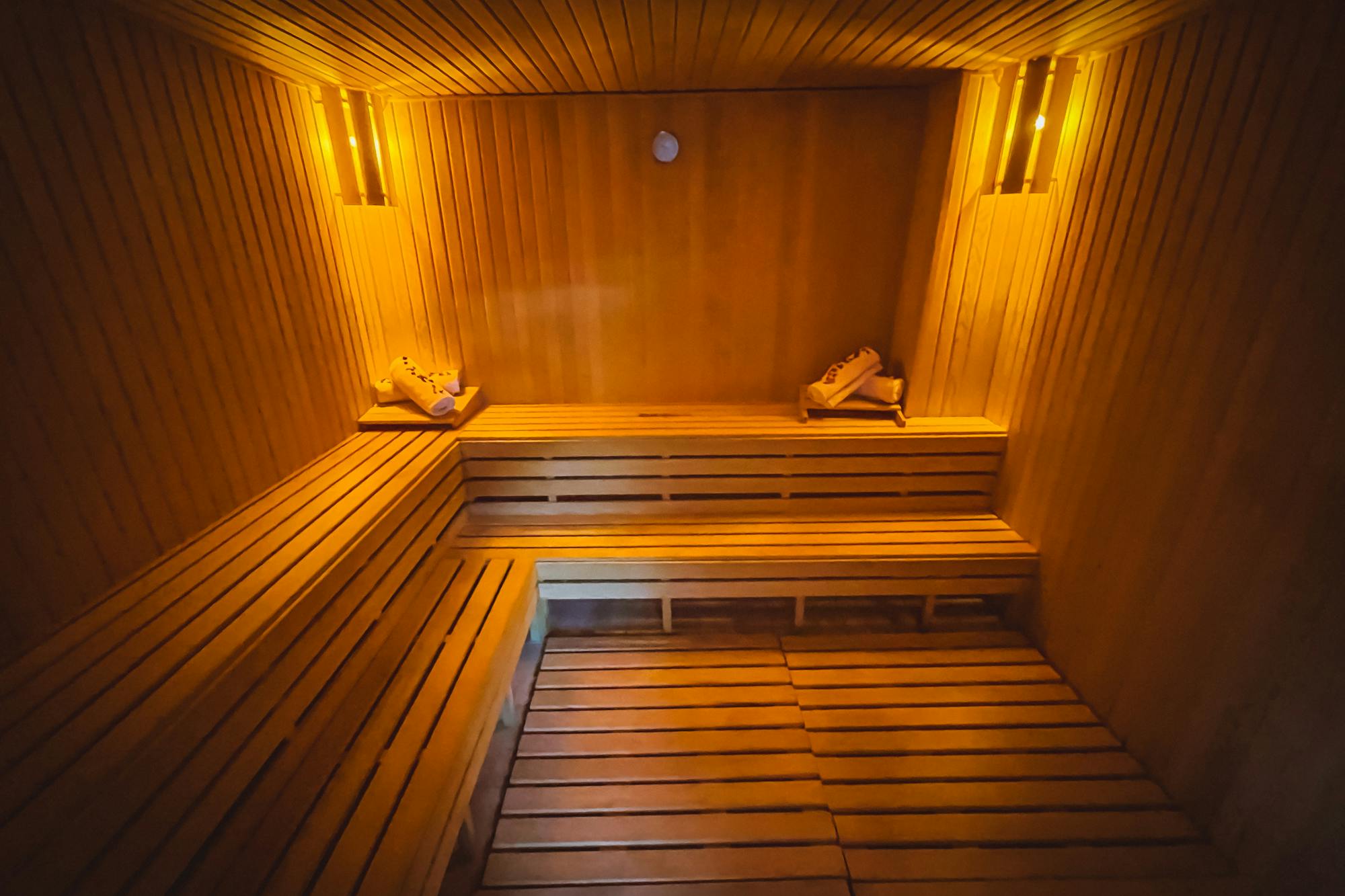
Choosing a home sauna is a big decision. It’s not just about buying a box that gets hot — it’s about creating a daily ritual that supports relaxation and a calmer daily routine. This guide walks you step-by-step through the decisions that matter so you can confidently choose the best home sauna for your space, your lifestyle, and your long-term goals.
On this page, you’ll find a complete overview. If you want to dive deeper into any specific topic, we’ve created detailed supporting guides you can explore along the way.

1. Main Types of Home Saunas
Before you look at models and prices, it helps to understand the main types of saunas you’ll see when browsing collections like our traditional saunas, infrared saunas, and barrel saunas. Making a decision to purchase a sauna is intentional and we hope that by reading through this guide, you will be comforted to make the right decision.
Broadly speaking, most home saunas fall into one of these categories:
- Traditional (Finnish-style) saunas — use a heater and stones, with temperatures typically in the 170–195°F (77–90°C) range.
- Infrared saunas — use infrared emitters or panels, with air temperatures usually around 120–140°F (49–60°C), but with a gentle warmth that builds gradually.
- Hybrid saunas — combine a traditional heater with infrared panels so you can choose either experience.
- Outdoor saunas — usually barrel or cabin style, placed in a backyard, garden, or by a pool.
- Portable or compact saunas — blankets or tents designed for smaller budgets or temporary setups.
If you’d like a full breakdown of how infrared and traditional saunas compare for experience, heat-up time, and operating cost, you can explore our dedicated guide: Infrared vs Traditional Sauna — Which Sauna Type Is Right for You?
Traditional Saunas (Finnish-Style)
Traditional saunas use a heater (electric or wood-burning) to heat stones, which then warm the air. Many people associate this with the classic sauna experience — a dry, enveloping heat with the option to add a light amount of steam by gently ladling water over the stones. This aids in a premium experience that adds to the overall sauna experience.
- Typical temperature: 170–195°F (77–90°C)
- Session duration: often 10–20 minutes at a time with rest breaks
- Best for: those who enjoy a more intense, traditional sauna feel
If this sounds like what you’re looking for, browse our traditional sauna collection. If you have any questions or want to explore options together, please do not hesitate to contact us.
Infrared Saunas
Infrared saunas create a more direct heat experience using infrared emitters or panels, while the air inside the cabin stays at a lower temperature compared to a traditional sauna. Many people find this more comfortable if they don’t enjoy very high heat. It all depends on what your intentions are and we understand that this is an important decision.
- Typical temperature: 120–140°F (49–60°C).
- Perceived feel: gentle, deep warmth that builds gradually.
- Best for: those who prefer a milder air temperature or longer sessions.
If you’re curious about modern, low-EMF infrared options, you can explore our curated infrared sauna collection.

Hybrid Saunas
Hybrid saunas combine a traditional heater and infrared panels in one cabin. This allows you to use infrared, traditional, or a blend depending on the day, the season, and who is using the sauna. If you are curious about seeing what a Hybrid Sauna looks like, please see our Finnmark Designs FD-5 model.
Furthermore, if you want maximum versatility and see yourself using your sauna in different ways across the year, hybrids are often worth a closer look. You can compare different heater technologies in more detail in our Sauna Heater Buying Guide.
Outdoor Saunas (Barrel & Cabin)
Outdoor saunas live in your backyard, by the pool, or near a deck. They can be barrel-style, cabin-style, or compact cottage-style designs. Many people choose outdoor saunas when they want a full ritual: stepping out into cool air, seeing the sky, and making the sauna experience part of their landscape. We personally love visiting friends cottages that have a an Outdoor Barrel Sauna with the serene view of the lake in the background and a crackling camp fire. We have even seen them combined with a cold plunge and you end up getting an exceptional experience. Our recommended pick for an outdoor barrel sauna that would fit nicely in this setting would be our SaunaLife Model EE8G – 6-Person Barrel Sauna With Glass Front.
You can also browse outdoor-specific options in our outdoor saunas collection and see different shapes in our barrel sauna collection and cabin saunas collection. If you’re not sure whether indoor or outdoor is better for your situation, we’ve created a dedicated guide: Indoor vs Outdoor Sauna — Which Sauna Type Is Better for Your Home?
2. Clarify Your Goals & How You’ll Use Your Sauna
The best home sauna is the one that matches how you actually live. Before getting into size, heaters, and wood types, it helps to ask a few simple questions:
- Will this sauna primarily be for solo sessions, or will you often use it with a partner, family, or friends?
- Do you prefer a hotter, more intense traditional experience, or a gentler infrared warmth you can stay in longer?
- Do you want the sauna to live indoors (spare room, basement, gym space) or outdoors (backyard, deck, garden)?
- Is your priority ritual and relaxation, comfort after activity, or a bit of both?
- What kind of ongoing cost, maintenance, and power usage are you comfortable with?
As you move through the rest of this guide, keep these answers in mind. They’ll make it much easier to narrow down the right sauna in our collections — whether that’s a 1-person sauna, 2-person sauna, or a 4-person family sauna.
We understand that this is a big decision you have to make, thus we always recommend to give us a call or send us an email if you need a personal guide. What matters to us is that you are satisfied with your purchase and sauna experience.
3. What Size Sauna Do You Need?
Size is one of the most important decisions you’ll make. It affects how the sauna feels, how often you use it, and where it can safely be installed in your home or backyard. A sauna that’s too small can feel cramped; a sauna that’s too large can take longer to heat and may be unnecessary if you mostly use it alone.
For an even deeper dive into sizing and layout, you can explore our dedicated Sauna Size Buying Guide.

1-Person Saunas
A 1-person sauna is ideal if you prefer solo sessions and have limited space. These units are often more compact, easier to power, and simple to place in a small room or corner.
- Typical footprint: roughly 3' x 3' to 3' x 4'
- Ideal for: apartments, condos, or a spare nook in a home gym
- Collections to explore: 1-person saunas
2-Person Saunas
Two-person saunas are one of the most popular sizes because they can comfortably fit a solo user in a stretched position, or two people sitting side-by-side.
- Typical footprint: roughly 4' x 4' to 4' x 5'
- Ideal for: couples, or solo users who like more legroom
- Collections to explore: 2-person saunas

3–4 Person Saunas
If you have family members who will join you, or you like the option of having friends over for a sauna night, a 3–4 person sauna offers a generous interior that doesn’t feel crowded.
- Typical footprint: roughly 5' x 6' to 6' x 7'
- Ideal for: families, social use, or stretching out fully
- Collections to explore: 3-person saunas, 4-person saunas
5–6 Person & Larger
Larger saunas are well suited for big families, social spaces, or small commercial environments like boutique wellness studios or short-term rentals. These need more floor space and typically a more robust electrical setup.
- Typical footprint: 6' x 8' and above
- Ideal for: larger homes, wellness spaces, shared family usage
- Collections to explore: 5-person saunas, 6-person saunas
If you’re unsure which capacity suits you best, our Sauna Size Buying Guide walks through real-world scenarios (single user, couple, family) so you can see what most buyers end up happiest with.
4. Indoor vs Outdoor Saunas
One of the biggest decisions you’ll make is whether your sauna will live indoors or outdoors. Both options can be excellent — it simply depends on your space, climate, and how you want the ritual to feel.
For a detailed comparison, including pros, cons, and installation tips, you can also read: Indoor vs Outdoor Sauna — Which Sauna Type Is Better for Your Home?
Indoor Saunas
Indoor saunas typically live in a spare room, home gym, large bathroom, or basement. They’re convenient and easy to use year-round, especially in colder climates where going outside isn’t always comfortable.
- Pros: convenient access, easier year-round use, protected from weather.
- Things to consider: proper floor material, nearby ventilation, and electrical access.
You can explore indoor-friendly models in our indoor saunas collection.
Outdoor Saunas
Outdoor saunas create a beautiful focal point in your yard, cottage, or lakeside property. They pair perfectly with cool air, snow, or a cold plunge setup and can turn your backyard into a mini-retreat.

- Pros: immersive experience, beautiful aesthetics, more flexible placement.
- Things to consider: weather exposure, foundation or base, distance to electrical panel.
To compare different outdoor shapes, you can browse: Outdoor Saunas, Barrel Saunas, and Cabin Saunas.
5. Sauna Heaters — Electric, Wood & Infrared
The heater is the engine of your sauna. It determines how quickly your sauna warms up, how it feels, and what kind of electrical or venting setup you need. Choosing the right heater is just as important as choosing the right cabin.
For a deeper dive (including sizing charts), visit our Sauna Heater Buying Guide.
Electric Sauna Heaters

Electric sauna heaters are the most common choice for home traditional saunas. They are clean, simple to control, and usually paired with a wall-mounted control panel or built-in controller.
- Typical temperatures: 170–190°F (77–88°C) for traditional use.
- Heat-up time: often around 30–45 minutes depending on room size and insulation.
- Power: typically 4.5 kW to 8 kW for most home saunas, on a 240V circuit.
Wood-Burning Sauna Heaters

Wood-burning heaters create a more rustic experience — the sound of crackling wood, the smell of the stove, and a more organic heat curve. These are especially common in rural, lakeside, or off-grid locations.
- Typical temperatures: similar to electric, often 170–195°F once warmed up.
- Heat-up time: depends on wood type and loading, often 40–60 minutes.
- Considerations: chimney or flue, local regulations, safe clearance around the heater.
Infrared Heaters & Panels
Infrared saunas use emitters or panels along the walls, backrests, and sometimes under the seat or floor. Instead of heating the air intensely, they create a gentle, penetrative warmth at lower air temperatures.
- Typical temperatures: 120–140°F (49–60°C).
- Heat-up time: often 10–20 minutes for many home units.
- Considerations: quality of emitters, EMF levels, coverage throughout the seating area.
If you want to compare different technologies side-by-side, including hybrid combinations, visit: Infrared vs Traditional Sauna — Which Sauna Type Is Right for You?
6. Best Wood Types for Saunas
The wood species used in your sauna affects its appearance, aroma, comfort, and how well it stands up to temperature changes over time. High-quality saunas use woods that are stable, low in resin, and comfortable against the skin.
For a dedicated deep dive into each species, see: Best Wood for Saunas — Cedar vs Hemlock vs Aspen vs Spruce Compared .
Cedar
Cedar is one of the most popular sauna woods. It’s naturally aromatic, resists moisture well, and stays relatively cool to the touch even at higher temperatures.
- Feel: warm, slightly soft under the hand, pleasant aroma.
- Best for: premium saunas, outdoor saunas, and buyers who love wood scent.
Hemlock
Hemlock is often used in infrared saunas. It has a lighter look and is typically free of strong aroma, which some buyers prefer if they’re sensitive to scent.
- Feel: smooth, clean, lighter-toned.
- Best for: modern interiors, minimal aroma environments.
Aspen & Spruce
Aspen is a light, clean, low-resin wood. Spruce is often used in Nordic-style saunas and barrel saunas for its stability and traditional look.
- Aspen: great for benches and interior surfaces; light and modern.
- Spruce: classic Nordic look; often used structurally in barrel and cabin saunas.
Many of our barrel saunas and cabin saunas use cedar or spruce for that classic outdoor sauna feel.
7. Electrical & Installation Requirements
Every sauna must be installed safely and in line with local electrical codes. The exact requirements vary by model, but the points below give a general sense of what to expect. Always consult a licensed electrician for final installation and verification.
120V Plug-and-Play vs 240V Hardwired
Some compact infrared saunas are designed to plug into a standard 120V household outlet. Larger traditional and hybrid saunas typically require a 240V dedicated circuit. We recommend to always speak directly to a licensed electrician prior to finalizing your sauna purchase.
- 120V plug-in: convenient for smaller infrared units; usually 15A or 20A circuits.
- 240V hardwired: common for 4.5–8 kW traditional heaters; typically 20A–40A dedicated circuits.
Our dedicated Sauna Electrical Requirements Guide goes deeper into amperage, wiring, and typical setups for different sizes.

Clearances, Flooring & Ventilation
Saunas need proper clearances between the heater and walls, an appropriate floor surface (non-carpet and moisture-tolerant), and basic ventilation to keep air moving and comfortable.
- Flooring: tile, concrete, or other water-resistant surfaces are preferred.
- Clearances: follow manufacturer recommendations around heater and ceiling height.
- Ventilation: small vents or air movement in the room help with comfort and humidity.
If you’re unsure whether your home is a good fit for a sauna, you can always reach out via our Contact Us page, or browse common questions in our Sauna FAQs.
8. Sauna Cost, Power Usage & ROI
Beyond the purchase price, it’s helpful to understand what it costs to run a sauna and how that compares to paying per session at a spa, gym, or wellness center.
For detailed calculations and examples, see our Sauna Cost & ROI Guide — Operating Costs, Power Use & Value Breakdown .
Purchase Cost
Pricing varies depending on size, materials, heater type, and brand. As a general pattern:
- 1–2 person infrared saunas: typically lower entry point.
- 3–4 person traditional or hybrid saunas: mid to higher price range.
- Outdoor barrel or cabin saunas: often higher due to structure, wood, and weather resistance.
Operating Costs
The operating cost of a sauna mainly comes from electricity (and in some cases, wood). Exact amounts vary based on your local energy rates and how often you use it, but some general patterns:
- Infrared saunas often use less power overall and heat up more quickly.
- Traditional saunas use more power while heating but can be managed by preheating then cycling.
- Outdoor saunas may have slightly higher usage in cold climates due to heat loss.

Comparing Home Sauna vs Paid Sessions
Many people decide a home sauna makes sense when they consider how often they would otherwise pay for sessions elsewhere. If a single session at a spa or wellness center costs a set amount and you plan to go regularly, it doesn’t take many months for a quality home sauna to feel like a more conscious long-term choice.
Our dedicated ROI guide offers sample scenarios so you can estimate how quickly a sauna might “pay for itself” based on your personal usage and local pricing.
9. Essential Sauna Accessories & Upgrades
Accessories might seem like a small detail, but they make a large difference to how your sauna feels day to day. A few carefully chosen upgrades can make each session more comfortable, intentional, and enjoyable.
Thermometers & Hygrometers
A clear, easy-to-read thermometer helps you understand how your sauna is performing and develop a sense of what temperature range you personally enjoy.
Backrests, Headrests & Seating Comfort
ergonomic backrests and headrests can improve seating comfort. They’re particularly helpful in longer, gentler infrared sessions.
Lighting & Ambience
Soft, indirect lighting or color lighting options can transform the feeling of the space, especially when paired with music played outside the sauna area.
Stones, Buckets & Ladles
For traditional saunas, the choice of stones and the simple ritual of pouring a small amount of water over them can be part of the experience. Always follow manufacturer guidelines on how much water is appropriate and how often to use it.
If you’d like a focused overview of accessories that are worth investing in versus “nice-to-haves,” explore our Sauna Accessories + Enhancement Guide .
10. Maintenance, Cleaning & Longevity
A well-made sauna can last for many years when cared for properly. Most maintenance tasks are simple, but staying consistent keeps the wood fresh, the heater performing well, and the overall experience inviting.
Day-to-Day Care
- Use towels on benches to reduce sweat absorption into the wood.
- Let the sauna air out for a short period after each use.
- Wipe surfaces gently if needed with a soft, damp cloth.
Seasonal & Annual Maintenance
- Inspect wood for any discoloration or areas that might benefit from light sanding.
- Check heater and stones for any visible wear or damage.
- For outdoor units, inspect roofing, seals, and exterior boards.
Our Sauna Maintenance Guide — Cleaning, Longevity, Upkeep & Care Tips walks through maintenance rhythm in more detail so you can build a simple routine.
11. Barrel Saunas — Who They’re Best For
Barrel saunas have become a favorite for outdoor use because of their efficient shape, iconic look, and the way heat naturally circulates inside the curved interior.
In a barrel, hot air rises to the top of the curve and gently recirculates, which can contribute to efficient heating. The rounded form also sheds rain and snow nicely when installed outdoors.
If you’re specifically drawn to the idea of a barrel, you may enjoy our dedicated Barrel Sauna Buying Guide — Buying, Heating, Installation & Weather Protection , and the curated options in our barrel sauna collection.
12. Final Buying Checklist & Next Steps
As you narrow down your choices, it can be helpful to run through a quick checklist. You don’t need to have everything perfect at once — but clarity on these points will make your final decision feel grounded and intentional.
Sauna Buying Checklist
- Have you decided between traditional, infrared, or hybrid?
- Do you know which size (1, 2, 3–4, or larger) fits your space and lifestyle?
- Have you chosen indoor vs outdoor placement?
- Do you have a sense of your preferred wood type (cedar, hemlock, aspen, spruce)?
- Have you checked what kind of electrical supply you have available (120V vs 240V)?
- Are you comfortable with the estimated operating cost for how often you’ll use it?
- Have you considered a few key accessories (thermometer, backrests, lighting)?
- Do you understand basic maintenance and care expectations?

Where to Go Next
If you’re ready to start comparing real models, you can explore:
If you’d like to go deeper into a specific topic, our supporting guides are written to help you make clear, confident decisions:
- Sauna Heater Buying Guide
- Sauna Size Buying Guide
- Indoor vs Outdoor Sauna Guide
- Infrared vs Traditional Sauna Guide
- Best Wood for Saunas
- Sauna Electrical Requirements Guide
- Sauna Cost & ROI Guide
- Sauna Maintenance Guide
- Sauna Accessories + Enhancement Guide
- Barrel Sauna Buying Guide
Support, Trust & Next Actions
If you still have questions, or you’d like help comparing specific models, you’re always welcome to reach out:
Your sauna should feel like a decision made with clarity, not pressure. Take your time, explore the guides, and when you’re ready, we’re here to help you choose the sauna that will genuinely support your daily rhythm and energy for years to come.



Leave a comment
This site is protected by hCaptcha and the hCaptcha Privacy Policy and Terms of Service apply.