
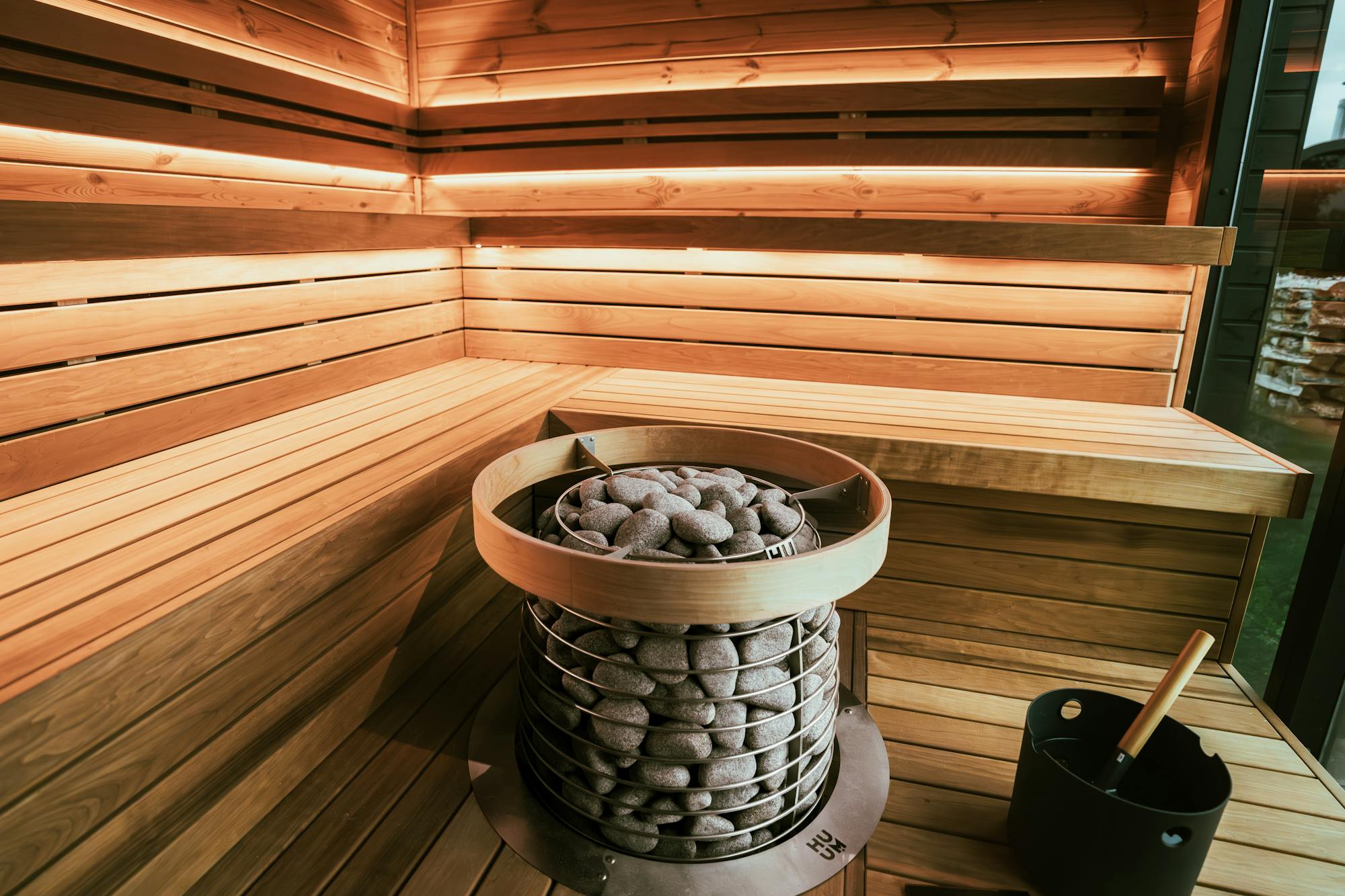
Benefits of Upgrading Your Sauna Heating Unit
Upgrading your sauna heating unit can update your sauna experience by supporting comfort, heat consistency, and warm-up time. Modern sauna heaters are designed for faster warm-up, steady temperature control, and a smoother sauna session overall.
Many people upgrade to support temperature control, shorter warm-up periods, or modernize an existing sauna installation. With several sauna heater styles available — including electric sauna heaters, traditional heaters, Finnish sauna heaters, wet sauna heaters, dry sauna heaters, and outdoor or indoor sauna configurations — there is an option suited to most preferences.

Electric sauna heaters are known for straightforward use and consistent heat distribution. Traditional and Finnish sauna heater setups provide a more natural wood-and-stone atmosphere. Wet sauna heaters allow the option of steam for a softer, spa-like warmth many people find comfortable, while dry sauna heaters maintain high heat with minimal moisture. Outdoor sauna heater units tolerate seasonal weather, while indoor sauna heater systems integrate smoothly into home wellness rooms.
Why Upgrade Your Sauna Heating Unit?
Modern sauna heaters are often designed for steady heat output, fewer temperature fluctuations, and updated safety mechanisms such as overheat protection and automatic shut-off. This leads to a smoother, more controlled sauna routine.
- Lower Energy Costs: Designed to use power efficiently depending on the model.
- Enhanced Safety: Many include heat-limit sensors and auto shut-off protection.
- Better Comfort: Faster warm-up and more stable temperature holds.
A new sauna heating unit can also support easier maintenance and long-term reliability. When matched correctly to sauna size and layout, it can influence both the look and feel of the heating environment.
Types of Sauna Heaters: Which Is Right for You?
Different sauna heaters create different heat experiences. Electric sauna heaters are convenient and low-maintenance, while traditional and Finnish sauna heaters appeal to those who enjoy classic heat-and-stone warmth. Wet sauna heaters allow moisture for a softer heat style, while dry sauna equipment suits high-heat environments with low humidity.
Outdoor sauna heaters are built to withstand climate exposure, while indoor sauna heaters integrate into interior spaces.
- Energy Source: Choose wood, electric, or hybrid configuration.
- Humidity Level: Steam-enabled or dry preference.
- Location: Indoor or outdoor installation.
For a comparison on dry heat behavior, you may like: Advantages of a Dry Sauna
Electric Sauna Heaters
Electric sauna heaters deliver reliable heat output and easy operation. Available in multiple wattage levels, they can support small personal sauna rooms or larger multi-seat installations.
- Simple Installation: Fits many residential sauna layouts.
- Low Maintenance: Less upkeep than wood-burning setups.
- Consistent Heat: Smooth thermal regulation during a session.

Traditional and Finnish Sauna Heaters
Traditional and Finnish sauna heaters use stone or wood to create a familiar, radiant heat profile. They may require occasional maintenance such as wood supply or stone replacement, but many sauna users appreciate the natural heat characteristics they deliver.
- Classic Ambiance: Natural wood or stone-fired heat.
- Natural Heat: Familiar sauna warmth and stone-based radiation.
- Cultural Experience: Traditional thermal feel enjoyed by enthusiasts.
Wet vs. Dry Sauna Heaters
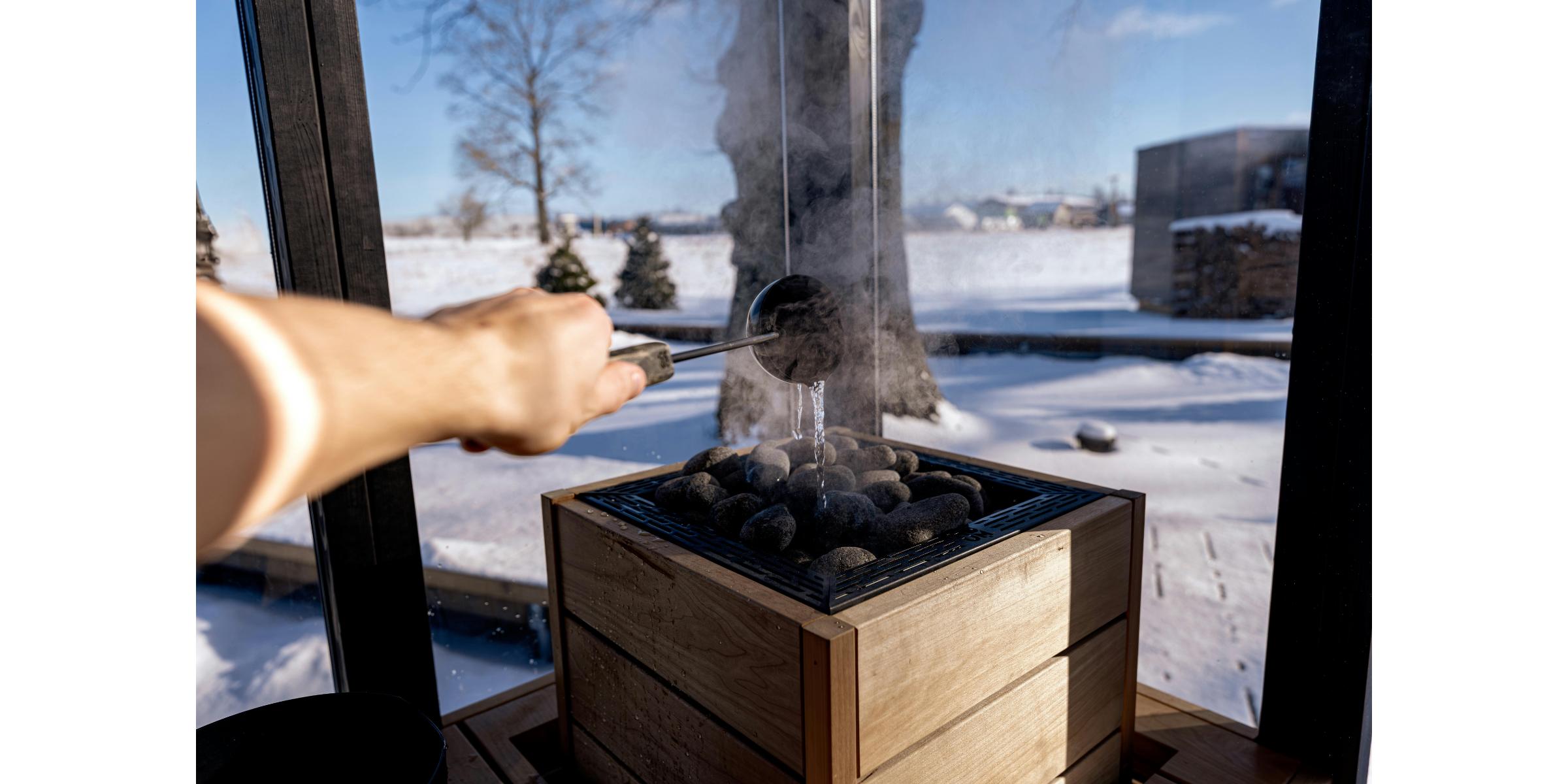
Wet sauna heaters support steam generation when water is applied to stones, offering a softer heat style that many people find comfortable. Dry sauna heaters operate without humidity, maintaining a stronger high-temperature experience.
- Wet Sauna Heaters: Allows steam for a softer heat style.
- Dry Sauna Heaters: Maintains high heat with low moisture.
More insight here: What Does a Sauna Do? A Complete Guide
Outdoor and Indoor Sauna Heaters
Outdoor and indoor sauna heaters differ in durability and placement suitability. Outdoor sauna heaters are weather-tolerant, while indoor sauna heaters remain protected in controlled interior spaces.
- Outdoor Sauna Heaters: Built to withstand climate changes.
- Indoor Sauna Heaters: Designed for integration into interior rooms.
For outdoor-based layouts, view: Barrel Sauna Collection
Key Benefits of Modern Sauna Heating Units
Modern sauna heaters are designed around energy use, comfort, and consistent heat control. Many models warm quickly and maintain even cycling while including integrated safety technologies.
- Energy Savings: May use power differently depending on usage.
- Enhanced Comfort: Consistent session temperature regulation.
- Increased Safety: Safety sensors and automatic shut-off controls.
Installation and Maintenance Tips
Following instructions for installation and spacing is important for safety. Good ventilation, clean stone surfaces, and periodic hardware checks help support how the heater operates.
- Regular Cleaning: Remove residue or dust buildup.
- Inspect Connections: Review wirings or terminals occasionally.
- Ventilation Checks: Ensure air movement stays open.
Frequently Asked Questions
- Which sauna oven types exist? Electric, traditional, wet, dry units.
- How often should maintenance be done? Many users check periodically through the year.
- Is installation expensive? Cost varies by heater size, setup, and design.
- DIY vs professional installation? Both possible — wiring work may require an expert.
Conclusion: A Modern Sauna Heater Brings Long-Term Comfort
A sauna heater upgrade can influence thermal stability, warm-up time, and overall experience over repeated use. Whether choosing an electric sauna stove, sauna heater with steam capability, or browsing sauna heaters for sale — selecting the right model helps shape warmth and atmosphere to match your comfort.

If you're browsing sizes, here are two popular residential options:
Editorial note: My Energy Flow publishes content for general educational and product-research purposes. We aim to keep product specifications, technical information and referenced research accurate and current, but details may change over time. Always confirm current manufacturer documentation and applicable local requirements before purchasing, installing or using a product.
Health and wellness information is general in nature and is not a substitute for personalized medical advice from a qualified healthcare professional.



Leave a comment
This site is protected by hCaptcha and the hCaptcha Privacy Policy and Terms of Service apply.