
Advantages of a Dry Sauna: What a Dry Sauna Does
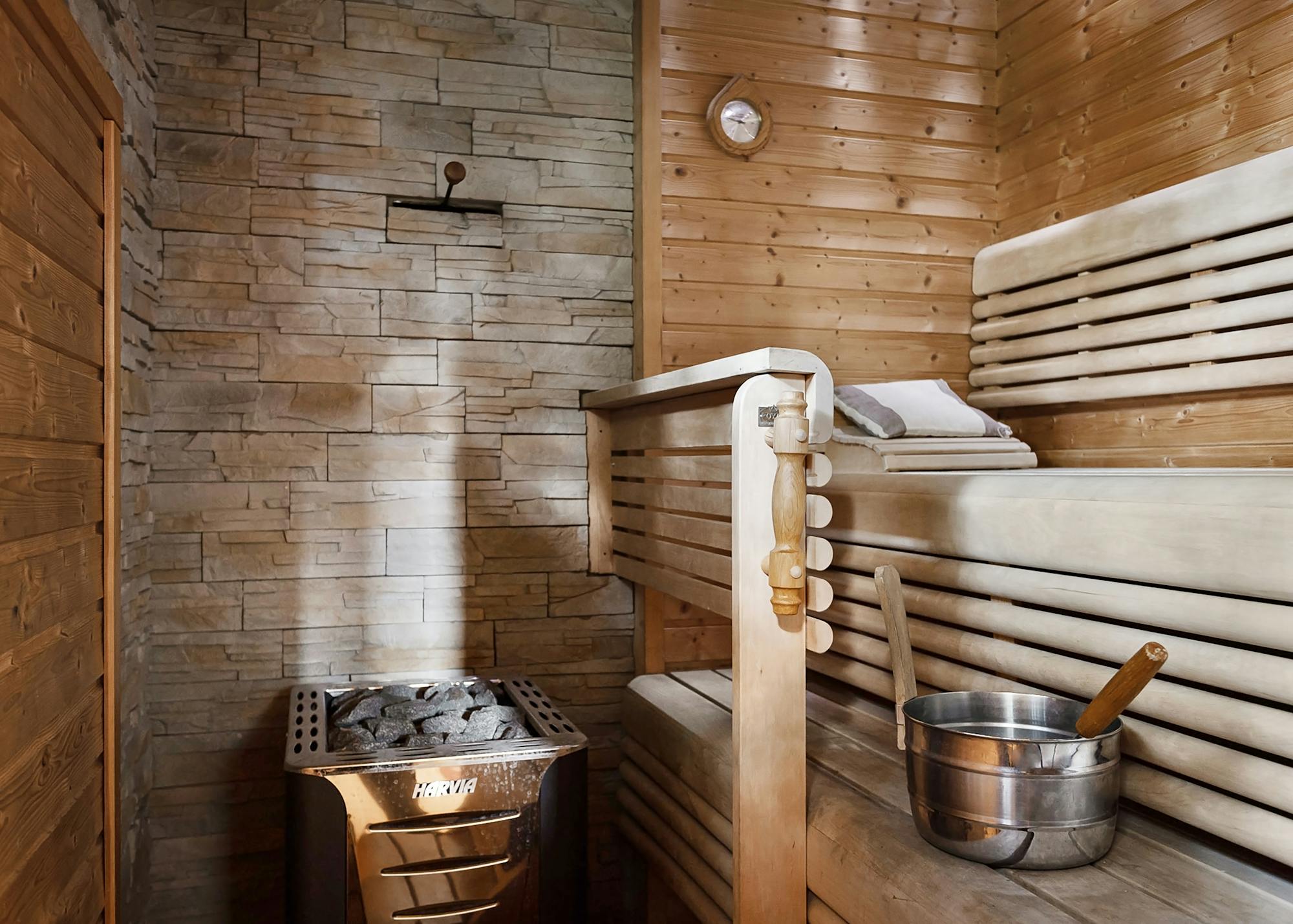
Dry saunas are one of the most recognizable and time-honored styles of heat bathing. Their steady warmth, classic wooden interiors, and simple heating method make them a popular choice for people who enjoy traditional sauna sessions. This guide explores what a dry sauna does, the advantages of dry heat, how hot a sauna gets, the ideal sauna temperature range, and how a dry sauna fits into everyday routines at home.

If you are comparing layouts, you can browse our 2 person saunas, outdoor saunas, and cabin saunas to see how dry saunas can be integrated into different home spaces.
What Is a Dry Sauna?
A dry sauna uses a heater and sauna stones to warm the surrounding air. The air itself becomes the primary source of heat, creating a familiar warmth many people associate with traditional sauna use. This differs from an infrared sauna, which warms the body directly with light panels. Searches such as what is a dry sauna, dry sauna versus infrared sauna, or infrared sauna versus regular sauna reflect the curiosity around how each type works.
Dry saunas are common in wellness centers, spas, backyard setups, and indoor rooms because they are simple, consistent, and easy to incorporate into a relaxing routine. Some prefer a two person sauna indoor model for private use, while others want a larger setup for friends or family.
How Hot Is a Dry Sauna?
One of the most common questions people ask is how hot is a sauna or how hot is a dry sauna. A typical dry sauna temperature is usually between 150 and 195 degrees Fahrenheit, depending on the heater and the user’s preferences. This falls within the normal sauna temp range often found in traditional installations.
Many related questions appear online, such as what temperature should a sauna be, what is a good sauna temperature, how hot are saunas usually, how hot can a sauna get, and what is the temperature of a sauna. These questions point to a desire to find an ideal sauna temperature that feels balanced rather than extreme. Most people start at a lower heat and gradually increase it as they become more comfortable.
For those comparing heating types, the best temperature for infrared sauna use is typically lower than a dry sauna temp because infrared warms the body directly. People who enjoy both sometimes explore near infrared versus far infrared for different session styles.
The Sauna Temperature Range and What to Expect
The sauna temperature range in a dry sauna is broad enough to accommodate beginners and experienced users. Searches like proper sauna temp, best sauna temperature, typical sauna temperature, recommended temperature for a sauna, sauna temperature in Celsius, and optimal sauna temperature all reflect the wide variety of installation styles and comfort levels.
An average sauna temperature is often in the middle of this range, creating steady warmth without reaching the hottest sauna temp or hottest sauna temperature possible. The goal is not maximum heat, but rather a comfortable environment where you can enjoy the session. This is why people look up phrases such as perfect sauna temperature or ideal temp for sauna.
How Long Should You Stay in a Dry Sauna?
Many people wonder how long should you stay in a sauna, how long should you sit in a sauna, or how long should you be in a sauna. There is no universal time that applies to everyone. Most people begin with shorter sessions and stay only as long as they feel comfortable. Online searches like how long to sit in sauna after workout, how long to stay in sauna, or how long can you stay in a sauna all indicate how personal this part of sauna use is.
If you prefer to sauna after movement, our guide on sauna after a workout explains how heat fits naturally into post-exercise routines.
Advantages of Dry Heat
The advantages of dry sauna use are often described in terms of warmth, relaxation, ease, and simplicity. People who search for advantages of dry sauna or benefits of using a sauna are frequently looking for a traditional heat experience that feels grounding and consistent. Dry heat warms the air around you, which many associate with a classic, enveloping sauna feel.
The steady warmth can support a transition from activity into rest or help you establish a rhythm in your wellness routine. If you enjoy mindful practices, stretching, or quiet breaks throughout the day, a dry sauna can complement those moments.
Dry Sauna vs Infrared Sauna
Many people compare infrared sauna versus dry sauna to decide which model fits their lifestyle. Dry saunas rely on heated air and higher temperatures, while infrared models use near infrared or far infrared light to warm the body with less surrounding heat.
Searches such as infrared sauna best temperature, how hot does an infrared sauna get, or how hot do infrared saunas get show that people are comparing heating profiles across both categories. A dry sauna often reaches higher air temperatures, while infrared saunas operate at lower ranges but can feel just as warming over time.
For a full comparison of heat styles and room types, you can explore infrared sauna vs regular sauna.
What to Wear in a Dry Sauna
Searches such as what to wear in a sauna, what do you wear in a sauna, what to wear in infrared sauna, or what should you wear in a sauna are extremely common. Comfortable, breathable, and minimal clothing is usually preferred so heat can circulate naturally. Avoid heavy fabrics or thick layers, and choose something you feel relaxed in.
Many also wonder about headphones in sauna, airpods in sauna, or can you bring your phone in a sauna. High heat and humidity environments are not ideal for electronics, and placing devices outside the sauna can make the session feel calmer and more present.
Sauna Use and Everyday Routines
Dry saunas fit easily into daily routines because of their simplicity. Searches like best time to sauna, best time to use sauna, or when to use sauna show how people integrate heat into their mornings, evenings, or post-exercise rituals. There is no single recommended time; the best time for sauna depends entirely on personal preference.
If you enjoy short bursts of heat before bed, morning rituals, or dedicated wellness spaces, exploring a two person sauna indoor model or a two person sauna outdoor design may help you decide where a dry sauna fits in your home.
Dry Sauna and Calorie-Related Searches
People often look up does sauna burn calories, how many calories do you burn in a sauna, or calories burned sauna. Saunas can cause temporary water loss and may slightly create a warming response, but they are not a dedicated fitness method. Searches such as sauna calorie loss, calories burned in a sauna, or sauna and weight loss reflect curiosity rather than evidence-based goals.
The sense of lightness some people feel after a session is typically due to temporary water changes rather than long-term physical changes. Your body restores fluids once you drink water and recover from the heat.
Dry Sauna and Cold Plunge Routines
The combination of hot and cold exposure has gained popularity, which is why searches like cold plunge after sauna, cold shower after sauna, or sauna before or after cold plunge are becoming more common. Some people prefer heat first, followed by cold; others enjoy alternating between the two. If you already explore cold water practices, pairing them with a dry sauna can create a pleasant contrast.
Dry Sauna When Feeling Unwell
Common searches such as sauna when sick, does sauna help with cold, or are saunas good for colds reflect curiosity about heat during illness. Experiences vary widely, and anyone with symptoms or health concerns should speak with a healthcare professional before using a sauna when sick.
Traditional Sauna Experience
The classic feel of a dry sauna is what draws many people in. Traditional steam sauna searches often overlap with dry sauna queries, even though steam rooms use moisture while dry saunas rely on heated air. People may also explore steam room versus sauna comparisons when deciding which option feels better for their home.
If you are comparing heater-and-stone models for your home, browse our traditional dry saunas .
How to Use a Dry Sauna
Searches such as how to use a sauna, how to properly use a sauna, how to sauna, or sauna etiquette all reflect the desire to learn how to begin. Using a dry sauna is simple: stay hydrated, start slowly, allow the heat to build, and leave when you feel ready. Some people enjoy dry brushing before or after a shower, while others prefer stretching or breathing exercises inside the room.
Choosing a Dry Sauna for Your Home
Once you understand the advantages of dry heat, you can decide which layout fits your home. Some prefer compact options like a two person sauna indoor setup, while others choose larger cabin-style rooms or rustic outdoor saunas for backyard retreats.
Explore:
For guidance on brand selection and support, you can also visit Why Buy From Us and review our Price Match Guarantee.
To return to the main overview, visit our pillar page What Does a Sauna Do.
Editorial note: My Energy Flow publishes content for general educational and product-research purposes. We aim to keep product specifications, technical information and referenced research accurate and current, but details may change over time. Always confirm current manufacturer documentation and applicable local requirements before purchasing, installing or using a product.
Health and wellness information is general in nature and is not a substitute for personalized medical advice from a qualified healthcare professional.




Leave a comment
This site is protected by hCaptcha and the hCaptcha Privacy Policy and Terms of Service apply.