
Infrared Sauna vs Regular Sauna: Key Differences
When people compare an infrared sauna versus a regular sauna, they are usually trying to understand how the heat feels, how hot each type gets, and which one will fit best into their home routine. Both styles create a warm, quiet space to slow down, but they produce that warmth in very different ways. This guide walks through the key differences so you can choose the sauna that feels right for your lifestyle.
If you are just starting your research and want a broader overview, you can also read our main guide What Does a Sauna Do? A Complete Guide to Sauna Use, which explains how saunas work, typical sauna temperature ranges, and basic sauna etiquette.

For a quick sense of what each option looks like, you can browse our traditional saunas and our infrared sauna collection. Seeing the interiors side by side often makes the decision easier.
How Regular Saunas Work
Air-Based Heat and Classic Sauna Feel
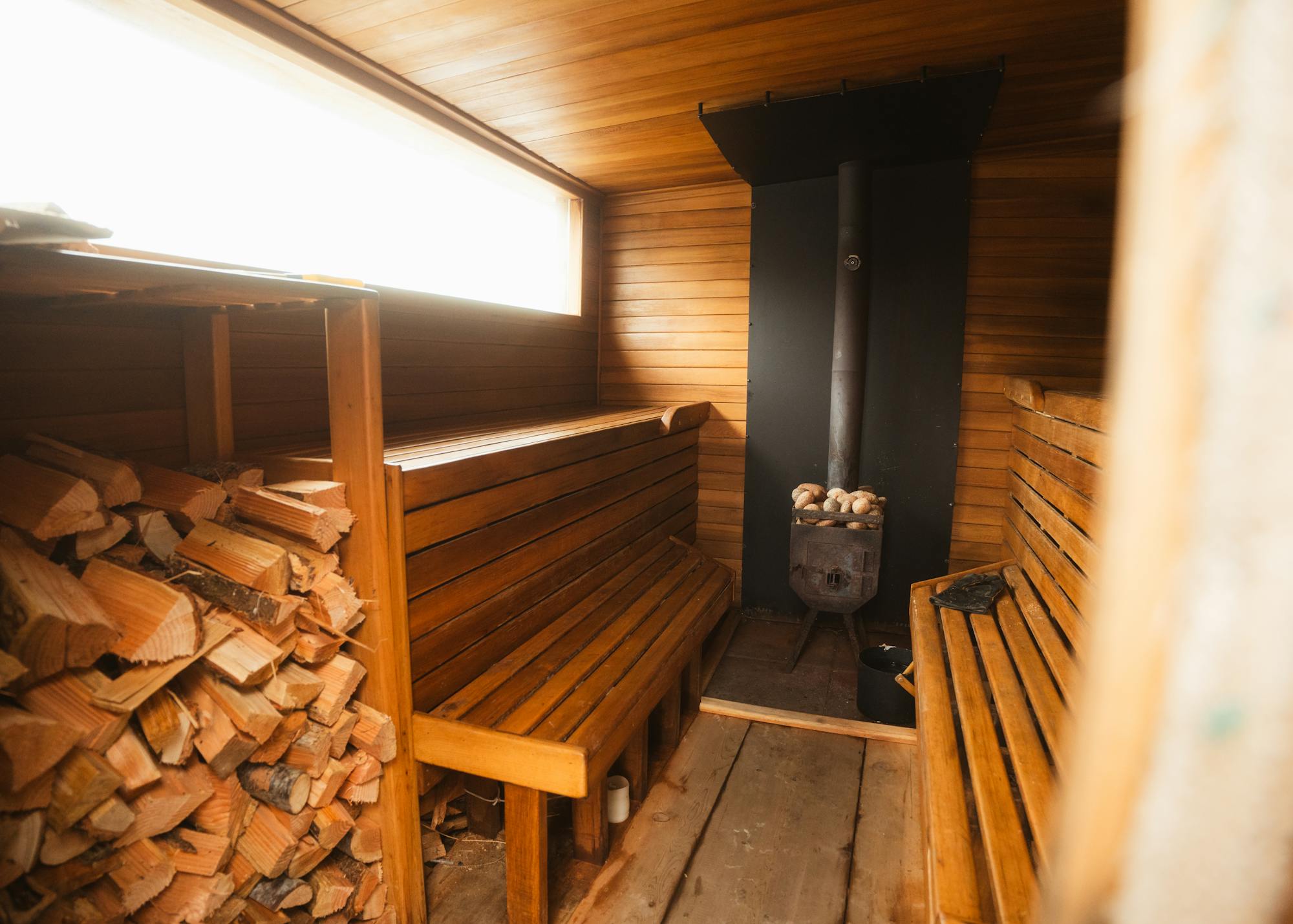
A regular sauna, often called a dry sauna, warms the air using a heater and sauna stones. The air temperature slowly rises, and the warmth fills the entire room. This is what most people picture when they think of a traditional sauna, whether it is in a spa, wellness club, or a backyard sauna cabin.
Common questions like how hot is a sauna, what temperature should a sauna be, or what is a good sauna temperature all point back to this simple setup. In many traditional rooms, the dry sauna temperature typically ranges from about 150 to 195 degrees Fahrenheit, which is considered a normal sauna temp in many guides.
Typical Temperature Range in a Regular Sauna
People often search for best sauna temperature, ideal sauna temperature, or recommended sauna temperature as they try to decide where to set the heater. Rather than focusing on the hottest sauna temp, it is more helpful to think about an optimal sauna temperature that feels steady and comfortable for you.
If you prefer to think in Celsius, you will often see typical sauna temperature ranges described as roughly 65 to 90 degrees Celsius. This temperature of a sauna creates the classic, enveloping warmth that dry saunas are known for.
Advantages of Dry Heat
Many people like regular saunas because the heat surrounds the the entire sauna space and feels familiar. If you want a deeper explanation of what a dry sauna may support, you can read Advantages of a Dry Sauna – What a Dry Sauna Does. That article looks specifically at the benefits of using a sauna that relies on hot air and stones rather than infrared panels.
How Infrared Saunas Work
Body-Directed Heat With Infrared Panels
An infrared sauna uses panels that emit light in the infrared spectrum to create a more direct heat experience. Instead of heating the air first, the warmth is aimed more specifically at you. This is why many people describe infrared heat as gentle and gradual. Searches like infrared sauna temperature, best temperature for infrared sauna, or ideal infrared sauna temperature are often about understanding this newer style of heat.
People sometimes compare near infrared sauna versus far infrared sauna panels, but both are designed to offer a controlled, targeted warmth. The air in the room stays cooler than in a traditional sauna, which can make the session feel more approachable for longer periods.

Typical Infrared Sauna Temperatures
Questions like how hot does an infrared sauna get or what is a good temperature for a sauna are very common when people start comparing options. Infrared sauna temperature ranges are usually lower than those of dry saunas, often falling between 110 and 140 degrees Fahrenheit. Many users find that this best temp for infrared sauna use allows them to stay inside a little longer without feeling overwhelmed by heat.
Because the air is cooler, the temperature of sauna air in an infrared room can feel more gentle, even though the session still feels comfortably warm over time over time.
Comparing Temperatures: Infrared Sauna vs Regular Sauna
How Hot Are Saunas Usually?
It is natural to ask how hot are saunas, how hot is a sauna supposed to be, or what is the temperature of a sauna. The answer depends on which type you choose:
In dry saunas, average sauna temp is often higher. In infrared saunas, average temperature of a sauna session tends to be lower, but users often stay in a bit longer. Rather than aiming for the hottest sauna temperature, most people focus on comfort and consistent use.
Finding Your Ideal Sauna Temp
Phrases like ideal sauna temp, perfect sauna temperature, or what is a good sauna temp reflect a desire to find a personal sweet spot. The best temperature for sauna use is the one that feels comfortable yet manageable for you. Starting low and gradually increasing the heat over time is a simple way to learn where you feel best.
Session Length and Routine
How Long Should You Stay In a Sauna?
Whether you choose infrared or regular heat, questions such as how long should you stay in a sauna, how long should you sit in a sauna, or how long do you stay in a sauna are very common. There is no single rule that fits everyone. Many people begin with shorter sessions and leave when they feel ready, then adjust from there.
If you like to pair heat with movement, you may also wonder about sauna before or after workout or sauna before or after exercise. For a focused look at timing around activity, our article Sauna After a Workout – Benefits Before or After Exercise explores how some people integrate heat with their training routine.
How Often Should You Use a Sauna?
Searches like how often should you use a sauna or how often can you sauna show that many people want to build a regular pattern. Whether you choose infrared or dry heat, consistency tends to come from choosing session lengths and temperatures that feel realistic and sustainable, rather than extreme.
Comfort, Accessories, and What to Wear
Clothing Choices in Infrared and Regular Saunas
People often search for what to wear in a sauna, what should you wear in a sauna, or what to wear in an infrared sauna. In both types, breathable, lightweight clothing or a towel is usually preferred so that the session feels more comfortable. Comfort and modesty are both important, especially if you are sharing the space with others.
Phones, Earbuds, and Electronics
Popular questions such as can you bring your phone in a sauna, airpods in sauna, headphones in sauna, or iphone in sauna come up in almost every sauna discussion. Electronics are generally not designed for high heat or moisture. Many people choose to leave phones and earbuds outside as a way to protect the devices and use the time as a screen-free break.
Calorie Discussions and Heat
Does an Infrared Sauna Burn More Calories?
Both infrared and regular saunas prompt searches like does sauna help with potentially burning calories, calories burned in sauna, or how many calories do you burn in a sauna. Some people notice small, temporary changes on the scale after a session due to water loss. Those changes usually reverse once they rehydrate.
While saunas may increase heart rate slightly, they are not intended as a primary primary fitness tool. Instead, many people focus on the relaxation, warmth, and grounding benefits of sauna usage and leave calorie-related goals to movement and nutrition decisions.
Which Sauna Fits Which Lifestyle?
When a Regular Sauna Might Be the Best Fit
A regular sauna often appeals to those who love traditional spa environments, strong air-based warmth, and the feel of a classic hot room. If you enjoy rustic or natural aesthetics, you might be drawn to outdoor saunas or cabin-style saunas that blend into a backyard or cottage setting.
If you want a more compact traditional layout, a 2 person sauna can be a thoughtful home option for couples or solo use.
When an Infrared Sauna Might Be the Best Fit
An infrared sauna may be appealing if you prefer lower air temperatures, a more modern look, and the ability to stay in a bit longer at milder heat. For smaller homes or urban spaces, many people feel that an infrared sauna for home use offers a practical balance of footprint and performance.
You can explore different cabin and panel configurations in our infrared sauna collection to see which layout matches your space.
Next Steps and Where to Learn More
Browse Collections and Learn the Details
If you are still deciding between infrared and regular heat, you may find it helpful to compare specific models and footprints. You can browse:
For answers to common questions about delivery, installation, and usage, our Sauna FAQ is a helpful place to start. To understand how we choose brands and support you after purchase, visit Why Buy From Us. If you are comparing prices across websites, you can also review our Price Match Guarantee.
Explore the Rest of the Sauna Education Series
This article is part of a larger sauna education series designed to help you make informed, confident decisions. You can continue exploring with:
- What Does a Sauna Do? A Complete Guide to Sauna Use
- Benefits of a Sauna – What Are Saunas Good For?
- Advantages of a Dry Sauna – What a Dry Sauna Does
- Sauna After a Workout – Benefits Before or After Exercise
Together, these guides are designed to make topics like sauna temperature, timing, and style easy to understand so you can choose the sauna that truly fits your home and routine.
Editorial note: My Energy Flow publishes content for general educational and product-research purposes. We aim to keep product specifications, technical information and referenced research accurate and current, but details may change over time. Always confirm current manufacturer documentation and applicable local requirements before purchasing, installing or using a product.
Health and wellness information is general in nature and is not a substitute for personalized medical advice from a qualified healthcare professional.



Leave a comment
This site is protected by hCaptcha and the hCaptcha Privacy Policy and Terms of Service apply.