
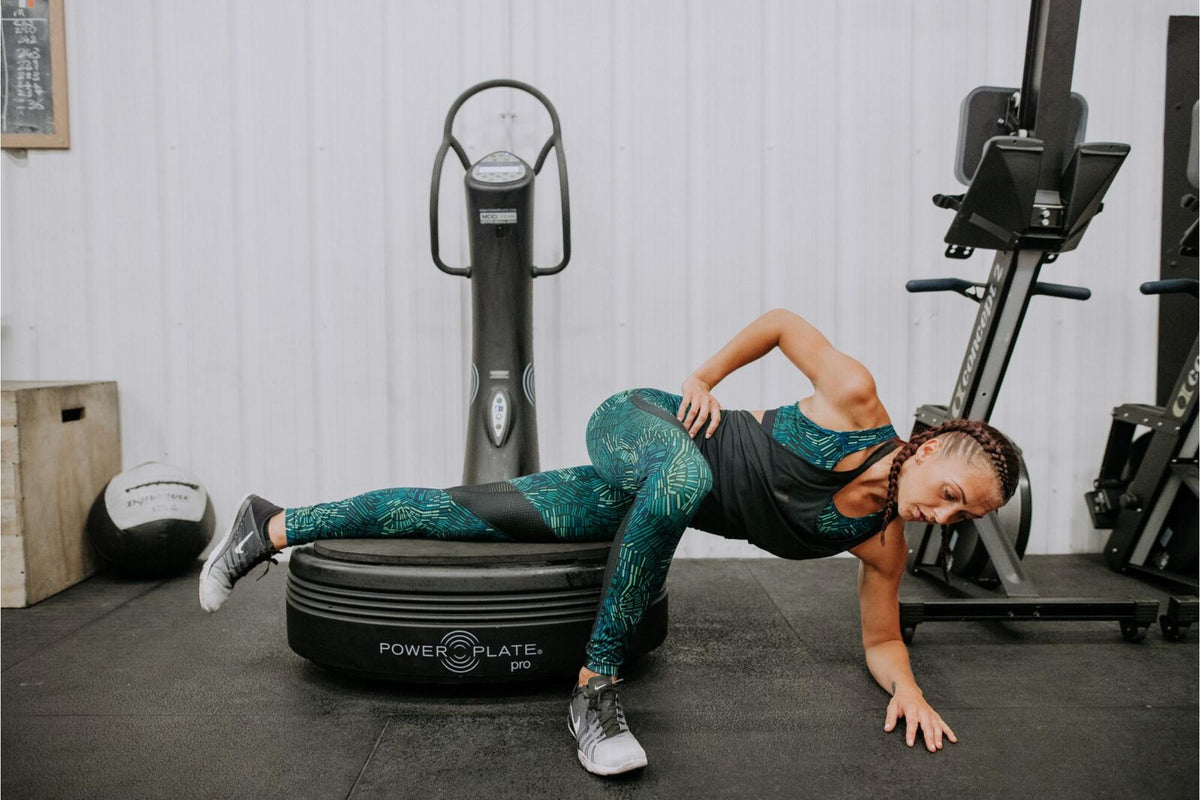
Benefits of Using a Vibration Plate: Uses, Exercises & How to Choose
Vibration plates add controlled mechanical vibration while you stand, hold a position, or perform an exercise on the platform. They are not a replacement for walking, resistance training, mobility work, or other regular movement. Instead, they provide another way to add variety and structure to a fitness routine.
This guide explains the benefits of using a vibration plate, how whole-body vibration works, practical exercises, safety considerations, and how different Power Plate models compare for home and professional use.
What Are the Benefits of a Vibration Plate?
The practical benefit of a vibration plate is that it adds controlled vibration to familiar movements such as squats, calf raises, planks, stretching, and balance exercises. This can create a different training experience while allowing users to build short, repeatable sessions around strength, stability, mobility, warm-ups, or cooldowns.
Whole-body vibration research is not one-size-fits-all. Results vary by vibration type, frequency, exercise selection, population, and training program, so vibration training is best viewed as a complement to regular exercise rather than a substitute for it.

Table of Contents
- What is a vibration plate?
- How does whole-body vibration work?
- What does the research say?
- Benefits and common uses of vibration plates
- How to use a vibration plate
- Vibration plate exercises
- How to choose a vibration plate
- Power Plate model comparison
- Safety considerations
- Are vibration plates worth it?
- Frequently asked questions
What Is a Vibration Plate?
A vibration plate is an exercise platform that produces repeated mechanical vibrations while a user stands, sits, holds a position, or performs movements on the surface. Using the platform in this way is commonly referred to as whole-body vibration, or WBV.
Vibration plates are not all built the same. Models differ in vibration pattern, frequency range, amplitude or intensity, platform size, controls, and intended environment. These differences are important when comparing a compact home vibration plate with a larger professional vibration platform.
How Does Whole-Body Vibration Work?
During a whole-body vibration session, the platform creates repeated movement beneath the body. When you perform a squat, calf raise, plank, or other controlled exercise, you still perform the movement yourself; the vibration simply adds another variable to the exercise.
Frequency and vibration level
Frequency is measured in Hertz (Hz), or vibration cycles per second. Some machines use one fixed frequency, while others allow a range of settings. Vibration output may also be adjustable independently of frequency.
More vibration is not automatically better. Power Plate's own product instructions emphasize beginning with lower settings and shorter sessions and progressing gradually as the user becomes familiar with vibration training.

What Does Research Say About Whole-Body Vibration?
Whole-body vibration has been studied in areas including strength, balance, mobility, and functional exercise. Some studies and systematic reviews have reported improvements in certain outcomes and populations, while others have found smaller differences when vibration training is compared with conventional exercise.
Benefits and Common Uses of a Vibration Plate
The most practical vibration plate benefits are related to how the platform can be incorporated into an existing movement or fitness routine.
Strength-Focused Exercises
Squats, calf raises, lunges, push-ups, and other controlled movements can be performed with vibration added to the exercise.
Balance and Stability Work
Standing and controlled exercises on a moving platform require attention to posture, positioning, and balance.
Mobility and Stretching
Lower-intensity settings can be incorporated into stretching, mobility, warm-up, and cooldown routines when appropriate for the user's model.
Short Structured Sessions
Vibration platforms make it possible to organize several movements into a short, repeatable routine without requiring a large amount of equipment.
If you want practical examples, see our vibration plate workouts and exercises .
How to Use a Vibration Plate
Start by following the instructions for your specific machine rather than copying settings from another vibration plate. Different platforms can operate at very different frequencies and vibration levels.
- Start conservatively: begin with shorter sessions and lower settings.
- Maintain stable posture: avoid locking the knees or elbows during standing exercises.
- Use the correct surface: place the machine on the type of level surface specified by the manufacturer.
- Use supplied mats when required: some Power Plate manuals recommend a contoured mat for barefoot, socked, or body-contact exercises.
- Progress gradually: change one training variable at a time rather than increasing everything at once.
For a deeper explanation of the technology and evidence, read do vibration plates work?
Common Vibration Plate Exercises
The appropriate exercise depends on the size and design of the platform, your experience, and the manufacturer's instructions. Common vibration plate exercises include:
- Standing squat or partial squat
- Calf raise
- Lunge variations
- Plank or forearm plank
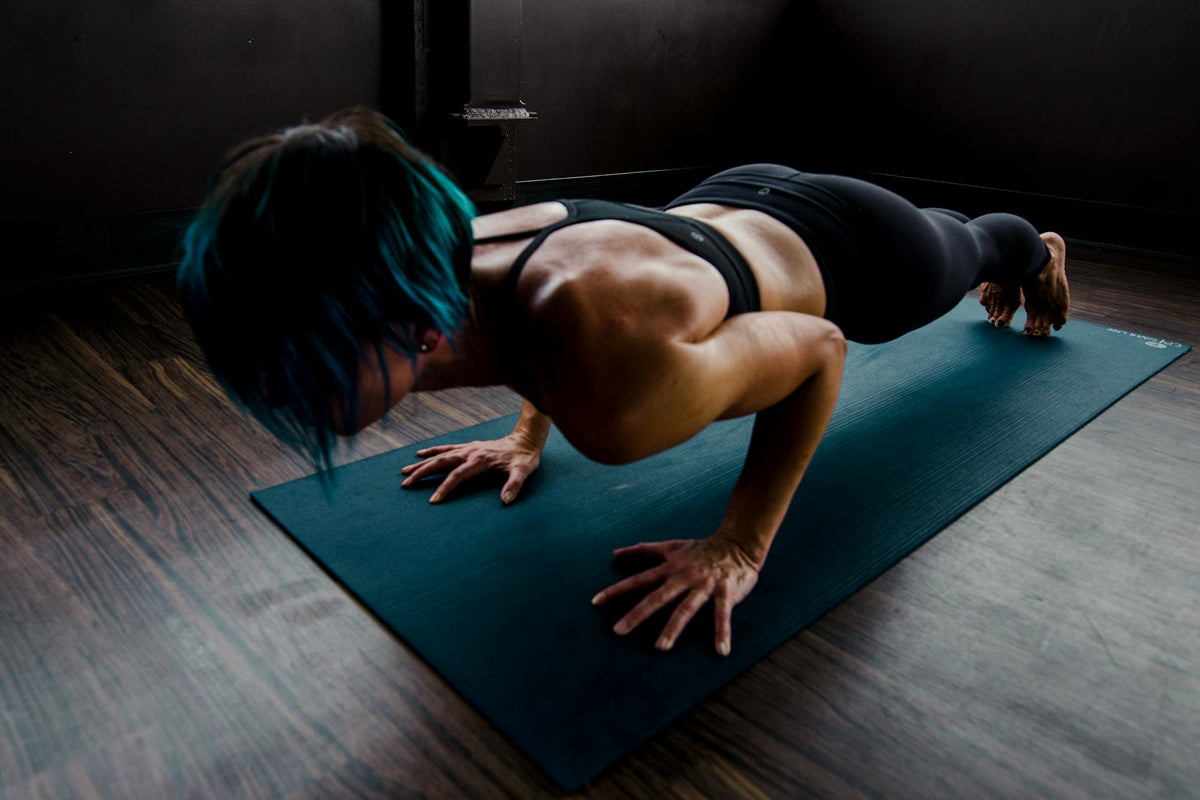
- Push-up variations
- Glute bridge with feet supported on the platform
- Controlled stretching and mobility positions

Exercise selection matters more than simply standing on the machine. See our complete guide to vibration plate exercises for ten practical movement ideas.
How to Choose the Right Vibration Plate
Start with how you expect to use the machine. A compact vibration plate may be easier to store at home, while an upright whole-body vibration machine can provide handlebars, larger controls, guided programs, or more adjustment.
Compare:
- Vibration type and frequency range
- Platform size
- Available intensity or amplitude settings
- Controls and preset programs
- User weight capacity
- Space and electrical requirements
- Home versus professional use
- Manufacturer support and warranty
If you are comparing brands rather than one specific model, browse our best vibration plate comparison .
For Power Plate specifically, browse the Power Plate vibration machines collection, or view the broader Power Plate collection .
Power Plate Models Compared
Power Plate models differ substantially in size, controls, and intended use. The table below summarizes four of the main platforms we currently offer.
| Model | Frequency | Controls | User Capacity | Designed For |
|---|---|---|---|---|
| Personal Power Plate | Fixed 35 Hz | Low / High 30 or 60 sec |
264 lb | Compact home use and portability |
| Power Plate MOVE | 30 / 35 / 40 Hz | Low / High Up to 9 min |
300 lb | Home training with more platform space and adjustment |
| Power Plate my5 | 30–40 Hz 1 Hz increments |
Low / High Touchscreen and preset programs |
300 lb | Upright home training with added support and guided controls |
| Power Plate pro5 | 25–50 Hz 1 Hz increments |
Low / High Up to 9 min |
400 lb | Advanced home and commercial training environments |
For a deeper model-by-model comparison, read our Power Plate reviews and model comparison .
Vibration Plate Safety Considerations
Whole-body vibration is still a form of exercise. Follow the safety instructions provided for your exact machine and stop using the platform if you feel dizzy, faint, short of breath, or experience pain.
People who are pregnant, have a known medical condition, have physical limitations, use implanted medical devices, or are unsure whether vibration exercise is appropriate for them should speak with a qualified healthcare professional before starting.
Keep the machine on a stable surface, maintain adequate clearance around it, and use approved accessories and mats as directed by the manufacturer.
Are Vibration Plates Worth It?
A vibration plate can be worthwhile when you have a clear reason for using it and expect to use it consistently. It can add another training option for strength movements, stability exercises, mobility work, warm-ups, and short home fitness routines.
It may offer less value if you are purchasing one based on exaggerated promises or expecting it to replace regular exercise. The better approach is to choose a machine that fits your available space, training style, preferred controls, and realistic routine.
Frequently Asked Questions
What does a vibration plate do?
A vibration plate creates repeated mechanical vibration beneath the user while they stand, hold a position, stretch, or exercise. Frequency, vibration level, posture, and movement selection determine how the session feels.
Do vibration plates actually work?
Whole-body vibration has been studied for outcomes including strength, balance, mobility, and functional exercise, but results vary substantially between populations and training protocols. It is better viewed as an exercise tool that can complement a broader fitness routine rather than as a replacement for conventional exercise.
How long should you use a vibration plate?
There is no universal session length for every vibration plate. Use the timer, frequency, and progression guidance provided by the manufacturer of your specific model and begin conservatively when you are new to vibration training.
What frequency should a vibration plate be set to?
There is no single setting that is appropriate for every person or exercise. For example, current Power Plate models range from a fixed 35 Hz on the Personal to adjustable ranges such as 25–50 Hz on the pro5. Follow the manufacturer's recommendations for the movement and model you are using.
Which Power Plate is suitable for home use?
The Personal Power Plate is the most compact of these four models. The Power Plate MOVE provides more platform space and frequency options, while the Power Plate my5 adds an upright frame, handlebars, touchscreen controls, and preset programs.
Continue Exploring
This guide is for general educational purposes and is not medical advice. Individual experience with vibration training varies.
Editorial note: My Energy Flow publishes content for general educational and product-research purposes. We aim to keep product specifications, technical information and referenced research accurate and current, but details may change over time. Always confirm current manufacturer documentation and applicable local requirements before purchasing, installing or using a product.
Health and wellness information is general in nature and is not a substitute for personalized medical advice from a qualified healthcare professional.


Leave a comment
This site is protected by hCaptcha and the hCaptcha Privacy Policy and Terms of Service apply.