
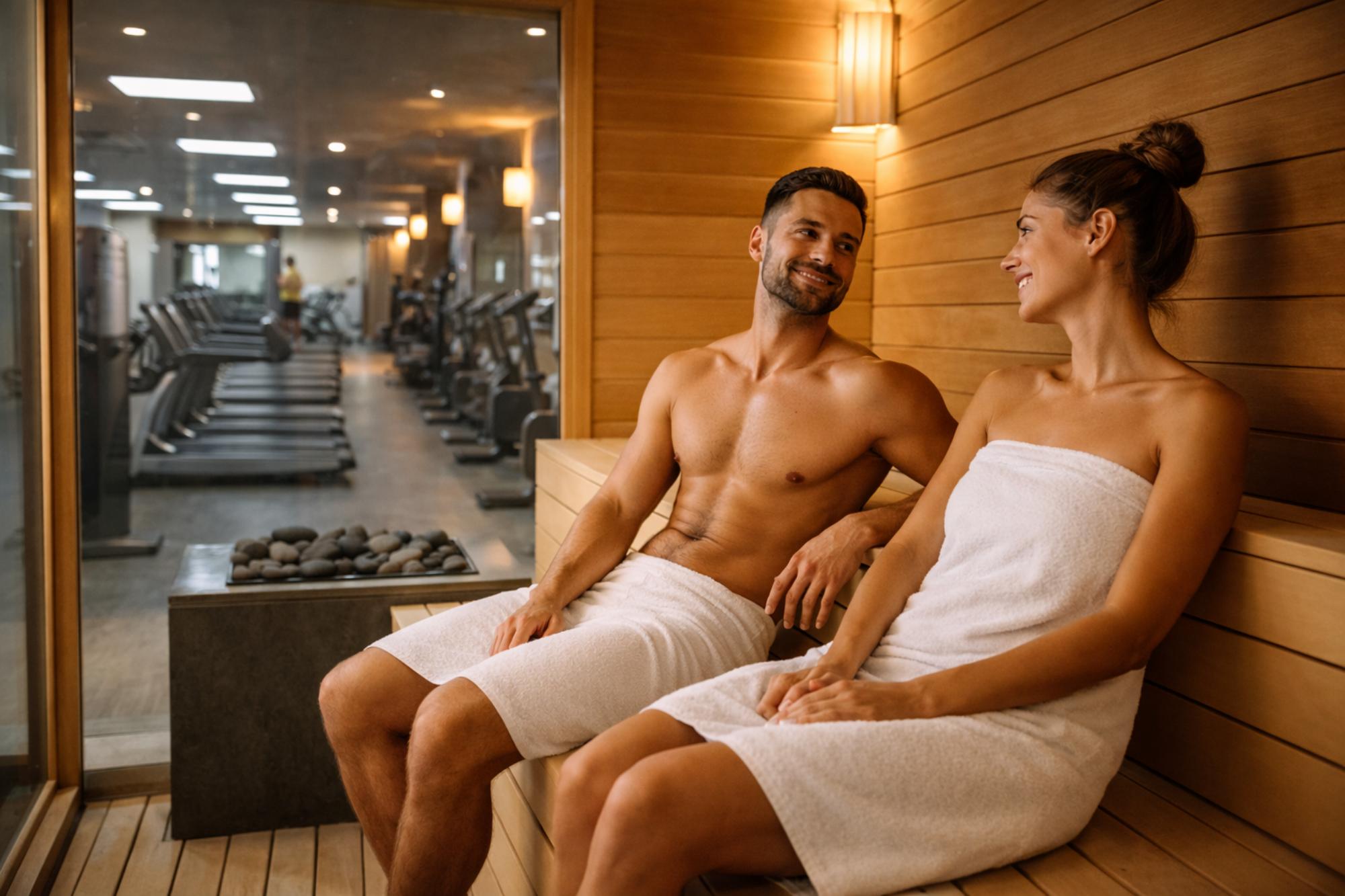
How to Use a Sauna at the Gym: Etiquette, Preparation, and What to Expect
Using a sauna at the gym can feel like a small reset in the middle of a busy week — but shared spaces come with their own questions. What should you wear? How long do people usually stay? And what’s considered respectful in a room where others are there for quiet?
This guide is designed to help you feel prepared. We’ll cover common gym sauna types, simple pre-sauna habits, practical etiquette, and a calm approach to session timing — with a focus on comfort, safety, and real-world routines (not hype).

Table of contents
- What a gym sauna is (and what it’s designed for)
- Common sauna types at gyms
- How to prepare before you go in
- What to wear in a gym sauna
- Hydration before and after a session
- Gym sauna etiquette in shared spaces
- How long to stay
- Where sauna use fits into a gym routine
- Safety and comfort considerations
- Final thoughts
What a gym sauna is (and what it’s designed for)
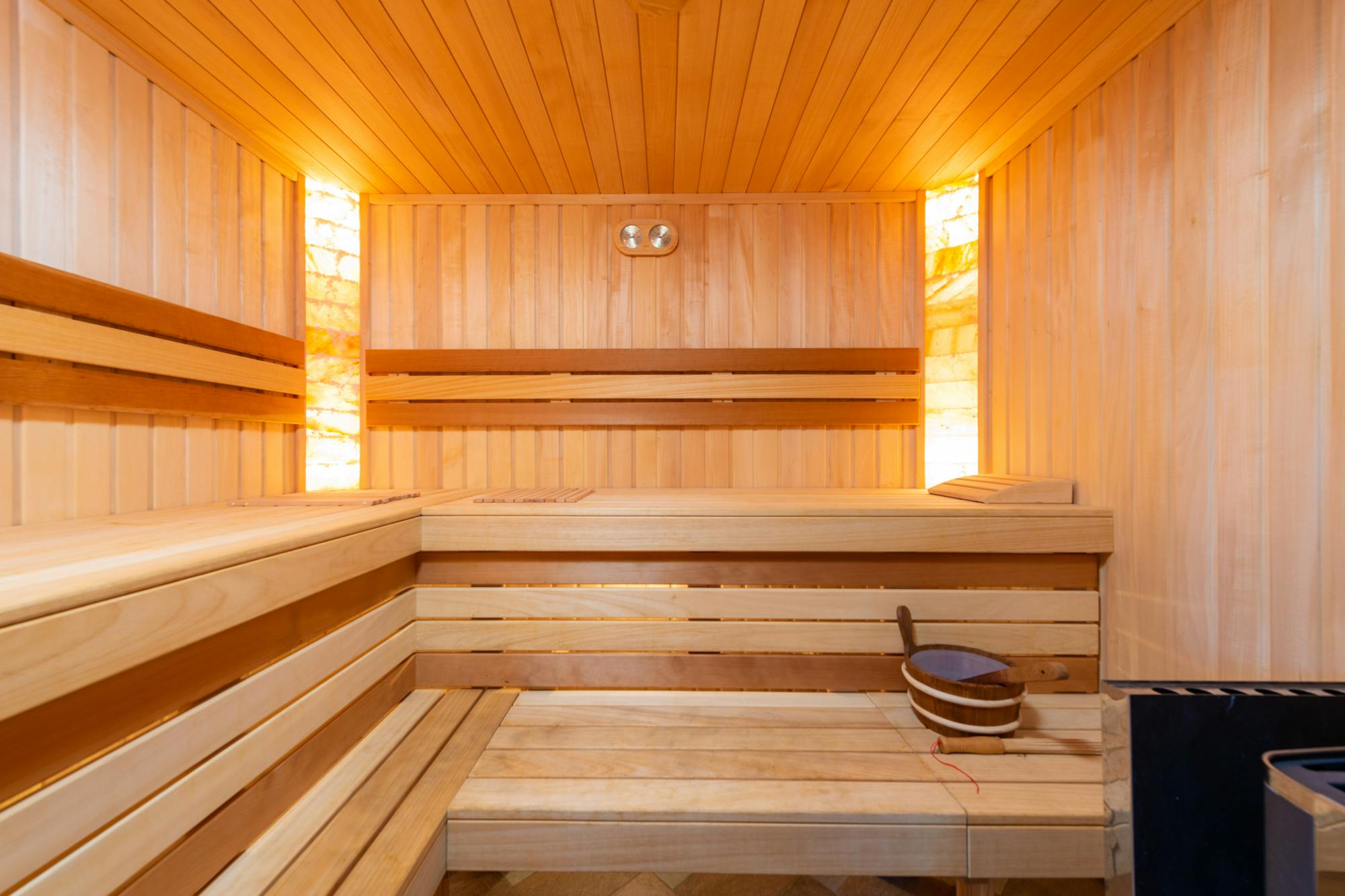
A sauna is a heated room designed for short, intentional heat sessions. Depending on the facility, the environment may be dry (traditional), infrared (radiant heat), or humid (steam room). Many gym members use sauna time as a quiet transition after training — a place to slow down, warm up, or simply take a calm pause.
If you’re also exploring common sauna temperature ranges, you may find this helpful as background reading: best sauna temperatures: what to expect.
Quick question: Are you going into the sauna to “push,” or to “pause”?
A helpful answer: Most gym sauna routines work best when they feel sustainable. A calm, comfort-first approach often makes it easier to return consistently — and to leave the session feeling steady rather than uncomfortable.
Common sauna types at gyms
Not every gym uses the same sauna setup. Knowing what type you’re stepping into helps you choose a session length and routine that feels comfortable.

Traditional sauna (dry heat)
Often called a Finnish-style or dry sauna, this room is heated by a heater and feels hot with relatively low humidity. Many gyms keep temperatures within a standard range, though it varies by facility.
Infrared sauna (radiant heat)
Infrared saunas use panels that warm the body more directly. Some people find the “feel” different than traditional saunas, and they may adjust session length based on comfort.
If you want a deeper overview of attire and comfort in infrared settings, you can explore: what to wear to an infrared sauna.
Steam room (humid heat)
Steam rooms use moist heat and feel very different from dry saunas. Visibility can be lower, and towels may get damp quickly — which can change what “comfortable” looks like for your session.
How to prepare before you go in
A good sauna session usually starts before you enter the room. A few small habits can make the experience smoother — especially in a shared gym environment.
1) Take a quick shower (when possible)
A quick rinse can help you feel fresh and keeps the shared space more comfortable for everyone. It also helps remove lotions or oils that can feel heavy in heat.
2) Bring a towel
Most gyms expect you to sit on a towel. It’s a simple way to keep benches clean and make the experience more comfortable for the next person.
3) Keep it simple
Gym sauna use doesn’t need to be complicated. Start with a short session, observe how it feels, and adjust over time.
What to wear in a gym sauna
What you wear depends on gym policy, cultural norms, and personal comfort. In most gym settings, a towel and/or swimsuit is a common approach.

Common options in gym environments
- Towel: often used both for sitting and for coverage when walking to/from the sauna.
- Swimsuit (where required): many gyms require swimwear in shared saunas and steam rooms.
- Optional sauna hat: some sauna-goers like a sauna hat for comfort, especially in hotter traditional saunas.
What to avoid
- Shoes: most gyms prefer no shoes inside sauna spaces.
- Heavy clothing: bulky layers can feel uncomfortable in heat and are generally not ideal for shared sauna spaces.
Hydration before and after a session
Sauna sessions commonly involve sweating, which means hydration matters. The most practical approach is simple: drink water before and after, and pay attention to how you feel.

A calm, common-sense approach
- Hydrate earlier in the day, not only right before you enter.
- If you feel lightheaded or unusually fatigued, step out and cool down.
- After your session, drink water at a comfortable pace.
If you’re also curious about why the scale can fluctuate after heat sessions, this companion guide may help: sauna and body weight changes: what’s temporary.
Gym sauna etiquette in shared spaces
The gym sauna is a shared room — and etiquette is what keeps it comfortable for everyone. A few norms go a long way.

Keep noise low
Some people use sauna time for quiet. If you chat, keep voices soft and conversations respectful.
Sit on a towel
Most gyms consider towels non-negotiable. It’s simple, respectful, and improves shared cleanliness.
Respect capacity
If the room is full, wait for the next opening rather than squeezing in. Comfort and airflow matter in heated spaces.
Leave devices outside
Phones and electronics don’t love heat and humidity — and bright screens can disrupt the calm. If your gym allows it, many sauna-goers still choose to leave devices outside.
If you want a deeper look at device safety and common gym rules, see: can you bring your phone in a sauna?
Quick question: If the sauna is a shared room, what would “respectful” look like if you were the person who walked in after you?
A helpful answer: A good rule is to leave the space as you’d want to find it: towel down, area tidy, volume low, and no extra clutter. Those small choices shape the whole room’s experience.
How long to stay
Time in the sauna is highly individual. Many gym members keep sessions within a short, manageable window, especially when they’re new or returning after time away.

A practical starting point
- Beginners: shorter sessions can feel more approachable while you learn your comfort cues.
- Regular users: many people choose a consistent time window and adjust based on how they feel that day.
- General guidance: if you feel unwell, dizzy, or overly fatigued, it’s time to step out.
For a more detailed session-length guide, visit: how long to sit in a sauna.
Where sauna use fits into a gym routine
Many people place the sauna at the end of a workout as a transition into rest — especially on days when they want to slow down rather than rush out the door. A simple “flow” can make it feel more effortless and repeatable.

A common post-workout rhythm
Workout → Cool down → Sauna → Hydration → Shower
If you are curious about how session length, body weight, and sauna type may affect estimated energy expenditure, try our Sauna Calorie Calculator. It provides an estimate for a sauna session and should not be treated as a measure of fat loss or a substitute for exercise.
If you’re exploring timing considerations, you may also like: sauna after a workout: before or after?
Safety and comfort considerations
Heat affects people differently. If you have medical concerns, are under active medical care, are pregnant, or are unsure whether sauna use is appropriate for you, it’s wise to seek guidance from a qualified professional.
Simple comfort cues to respect
- Step out if you feel dizzy, lightheaded, or uncomfortable.
- Cool down gradually in a cooler area or with a comfortable-temperature shower.
- Avoid alcohol before or during sauna sessions.
Final thoughts
Using a sauna at the gym can be a simple, calming routine — especially when you know what to expect and how to share the space well. Start short, stay hydrated, follow the room’s norms, and let comfort guide your timing. Over time, many people find their own rhythm.

Quick recap
- Gym saunas are shared spaces, so preparation and etiquette matter as much as timing.
- Know the sauna type (traditional, infrared, or steam) so you can set realistic expectations.
- Wear what aligns with gym policy and personal comfort, and sit on a towel.
- Hydration before and after is a common part of sauna routines.
- Keep noise low, respect capacity, and consider leaving devices outside.
- Start with shorter sessions and adjust based on comfort cues.
Where to go next
Read: Best sauna temperatures (what to expect)
A practical overview of common temperature ranges and how people typically choose settings by sauna type and comfort.
Read: How long to sit in a sauna
A focused guide to session timing, comfort cues, and common routines people follow in different sauna settings.
Explore: Can you bring your phone in a sauna?
A simple look at device safety, heat exposure, and common shared-space expectations.
If you’d like help thinking through sauna types, comfort preferences, or routine planning, you can book a complimentary, no-pressure call to explore what may fit your needs.
Learn how we approach at-home wellness
Discover the philosophy behind My Energy Flow — calm guidance, clear expectations, and long-term thinking.
How we guide customers before and after purchase, with transparency, planning support, and practical guidance.
Quick answers to common questions about shopping, delivery, and what to expect.
If you have a question and want a straightforward answer, we’re here to help.
Note: This content is for informational purposes only and is not intended as medical advice, diagnosis, or treatment. Individual experiences vary. For personal guidance, consult a qualified professional.
Editorial note: My Energy Flow publishes content for general educational and product-research purposes. We aim to keep product specifications, technical information and referenced research accurate and current, but details may change over time. Always confirm current manufacturer documentation and applicable local requirements before purchasing, installing or using a product.
Health and wellness information is general in nature and is not a substitute for personalized medical advice from a qualified healthcare professional.



Leave a comment
This site is protected by hCaptcha and the hCaptcha Privacy Policy and Terms of Service apply.