
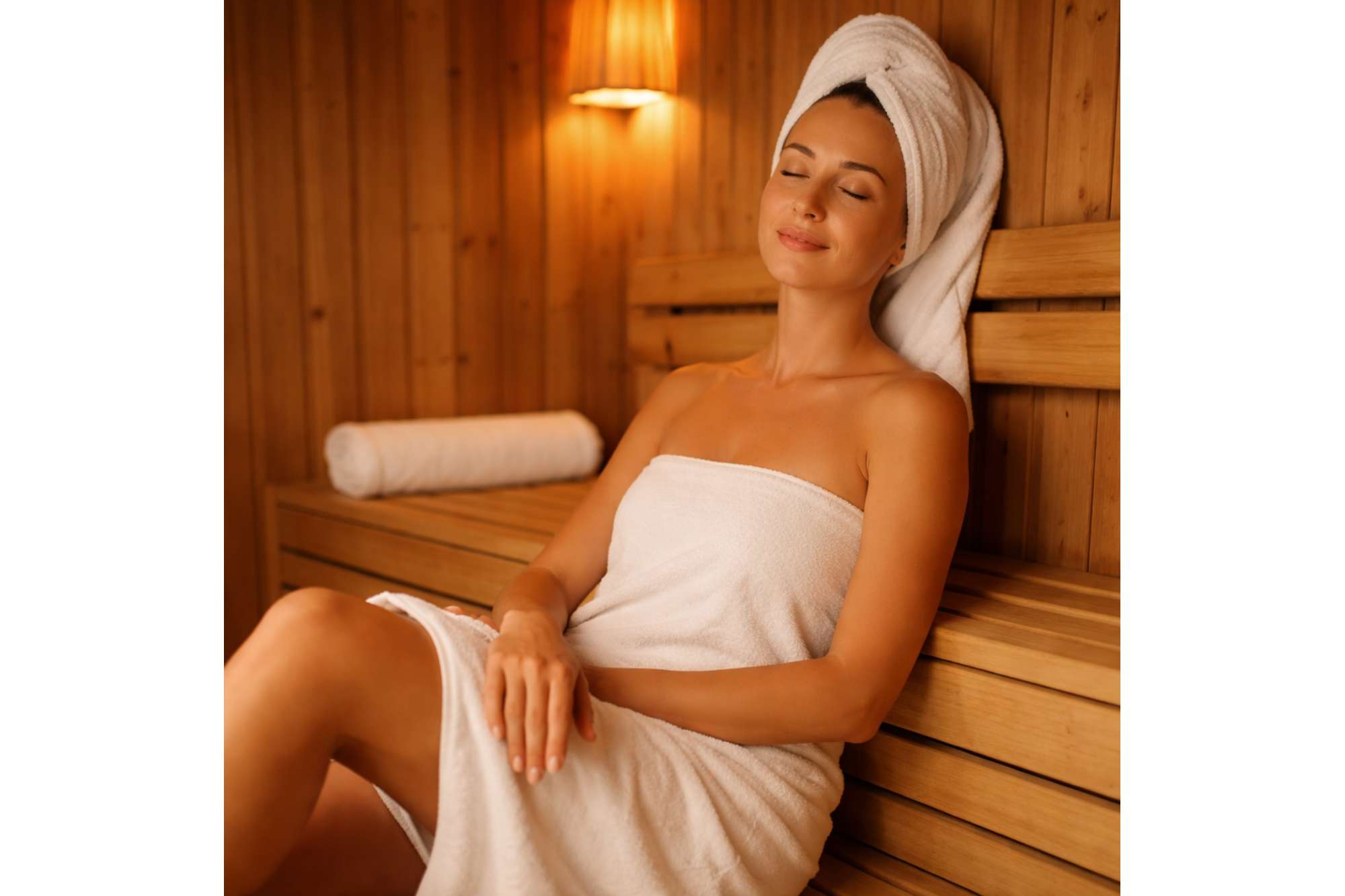
Optimal Sauna Temperatures: What to Expect and How People Commonly Use Them
Saunas have been used for generations as part of relaxation and heat-based routines. While styles vary by culture and setting, one detail shapes the entire experience: temperature. The same sauna can feel calm and steady at one setting, and intense at another.
In this guide, we’ll walk through common sauna temperature ranges, how traditional and infrared saunas differ, and practical ways people choose a setting that feels comfortable and sustainable over time. This is informational only — think of it as orientation, not a strict rulebook.

Table of contents
- Why sauna temperature matters
- Common sauna temperature ranges
- Traditional sauna temperatures: what to expect
- Infrared sauna temperatures: what to expect
- How people choose a comfortable temperature
- Session duration: common time ranges
- When people commonly use the sauna
- How often people typically use a sauna
- General safety considerations
- Final thoughts
Why sauna temperature matters
Temperature influences how the room feels, how quickly heat builds, and how easy it is to stay present during a session. Some people prefer a hotter, shorter session. Others prefer a gentler setting that feels steady and more approachable.
Quick question: When you imagine a “good” sauna session, are you picturing intensity — or ease?
A helpful answer: Many people find the most consistent routine comes from a setting that feels comfortably challenging, not overwhelming. The goal is often repeatability: a temperature you’d realistically return to.
Common sauna temperature ranges
Different sauna types operate in different ranges. A traditional sauna typically runs hotter than an infrared sauna, largely because of how the heat is delivered (air temperature vs. direct radiant warmth).

Typical ranges (high-level)
- Traditional sauna: commonly around 70°C to 100°C (158°F to 212°F)
- Infrared sauna: commonly around 49°C to 60°C (120°F to 140°F)
Within those ranges, personal comfort varies widely. The most useful approach is to treat temperature as a dial — not a test.
Traditional sauna temperatures: what to expect
Traditional saunas (often called Finnish or dry saunas) usually heat the air in the room. Many people experience this as an enveloping warmth that builds quickly, especially at the higher end of the typical range.

Common characteristics of higher-heat sessions
- The room temperature can feel intense quickly, especially for beginners.
- Shorter sessions are common at hotter settings.
- Some people prefer moderate settings for a calmer, steadier experience.
If you’re new to sauna routines, starting on the lower end of the range and adjusting slowly is a common approach.
Infrared sauna temperatures: what to expect
Infrared saunas warm the body more directly through infrared panels, rather than primarily heating the air. Because of that, the room temperature is usually lower — yet many people still describe the experience as deeply warm.

Why infrared often feels different
- The air may feel more breathable compared to hotter traditional rooms.
- People who find high-heat environments uncomfortable sometimes prefer this style.
- Longer sessions can feel more approachable at lower ambient temperatures.
Quick question: Do you tend to relax more when the air feels hot — or when the warmth feels gentler and more gradual?
A helpful answer: There’s no universal “right” answer. The best-fit sauna type is often the one that matches your comfort preferences and the kind of routine you’ll actually maintain.
How people choose a comfortable temperature
Selecting a temperature is usually a mix of experience level, sauna type, and how your body feels that day. A common pattern is to start lower, notice how the session feels, and adjust over time.
A simple, practical approach
- Beginners: often start around the lower end of the typical range and increase gradually.
- Regular users: may experiment across the range depending on mood, timing, and comfort.
- Any level: if you feel dizzy, unwell, or unusually uncomfortable, it’s a signal to step out and cool down.
If you’re building a home setup, sizing and heater selection can also shape how stable and consistent temperatures feel in practice. Optional reading: sauna size considerations and sauna heater basics.
Session duration: common time ranges
Time matters just as much as temperature. Many people keep sessions shorter at higher heat, and longer at gentler settings — but the best guide is how you feel during and after.

Common time ranges people use
- General range: many sessions fall around 15–20 minutes
- Beginners: often start around 10–15 minutes
- Regular users: sometimes extend beyond 20 minutes when comfort and hydration are well managed
For a deeper, dedicated guide, see: how long to sit in a sauna.
When people commonly use the sauna
Some people prefer sauna time after a workout because it feels like a clear “transition” into rest. Others use it in the evening as a wind-down ritual, or in the morning as quiet time before the day begins.
If you’re experimenting with timing around exercise, you may find this guide helpful: sauna use around workouts (focused on considerations and routines).
How often people typically use a sauna
Frequency varies widely based on lifestyle, schedule, and how the sessions feel. Some people choose a few sessions per week, while others build a near-daily ritual. In most cases, consistency is easier when sessions feel sustainable — not like something to “push through.”
Quick question: What would “sustainable” look like for you — twice a week, or a shorter session most days?
A helpful answer: Routines usually stick when they fit real life. Starting with a frequency you’re confident you can maintain is often more practical than aiming for an ideal on paper.
Curious about common reasons people use saunas in the first place? Optional reading: what saunas are commonly used for.
General safety considerations
Safety matters more than any target temperature. If you’re unsure whether sauna use is appropriate for your situation — especially if you have personal health considerations or are under ongoing professional care — it’s wise to seek guidance from a qualified professional.

Simple, widely used precautions
- Hydration: many people drink water before and after sessions.
- Comfort cues: if you feel dizzy, unwell, or unusually uncomfortable, step out.
- Cool down: allow time to return to a normal temperature gradually.
Two practical guides that often come up: phone use in a sauna and gym sauna etiquette.
Final thoughts
Sauna temperature is less about finding a single “perfect” number and more about creating a heat experience that feels steady, comfortable, and repeatable. Traditional and infrared saunas offer different styles of warmth, and both can fit into routines in different ways.
If you’re exploring home setup decisions, you may also like: best home sauna buying guide and sauna accessory considerations.
Quick recap
- Traditional and infrared saunas typically operate in different temperature ranges.
- Traditional saunas often feel hotter because they primarily heat the air in the room.
- Infrared saunas usually run at lower air temperatures, with warmth delivered more directly.
- Many people choose temperature by starting lower and adjusting based on comfort.
- Session length and frequency often depend on the setting, experience level, and how you feel.
- Hydration, cooling down, and paying attention to comfort cues are common precautions.
Where to go next
Read: How long to sit in a sauna
A focused guide on common session lengths and how people think about timing across different sauna styles.
Read: Sauna use and body weight changes
An educational overview of why the scale may change temporarily after a session and what that typically reflects.
Explore: Sauna heater considerations
If you’re planning a home setup, this guide explains heater styles and practical factors that influence the experience.
Learn how My Energy Flow approaches education-first wellness, with calm guidance and long-term thinking.
A clear overview of how we guide customers with guidance, transparency, and practical expectations.
Answers to common questions about shopping, delivery, and what to expect.
If you have a question and want a straightforward answer, we’re here to help.
If you’d like help thinking through sauna types, temperatures, space considerations, or routines, you can book a complimentary, no-pressure call to explore what may fit your needs.
Note: This content is for informational purposes only and is not intended as medical advice, diagnosis, or treatment. Individual experiences vary. For personal guidance, consult a qualified professional.
Editorial note: My Energy Flow publishes content for general educational and product-research purposes. We aim to keep product specifications, technical information and referenced research accurate and current, but details may change over time. Always confirm current manufacturer documentation and applicable local requirements before purchasing, installing or using a product.
Health and wellness information is general in nature and is not a substitute for personalized medical advice from a qualified healthcare professional.


Leave a comment
This site is protected by hCaptcha and the hCaptcha Privacy Policy and Terms of Service apply.