
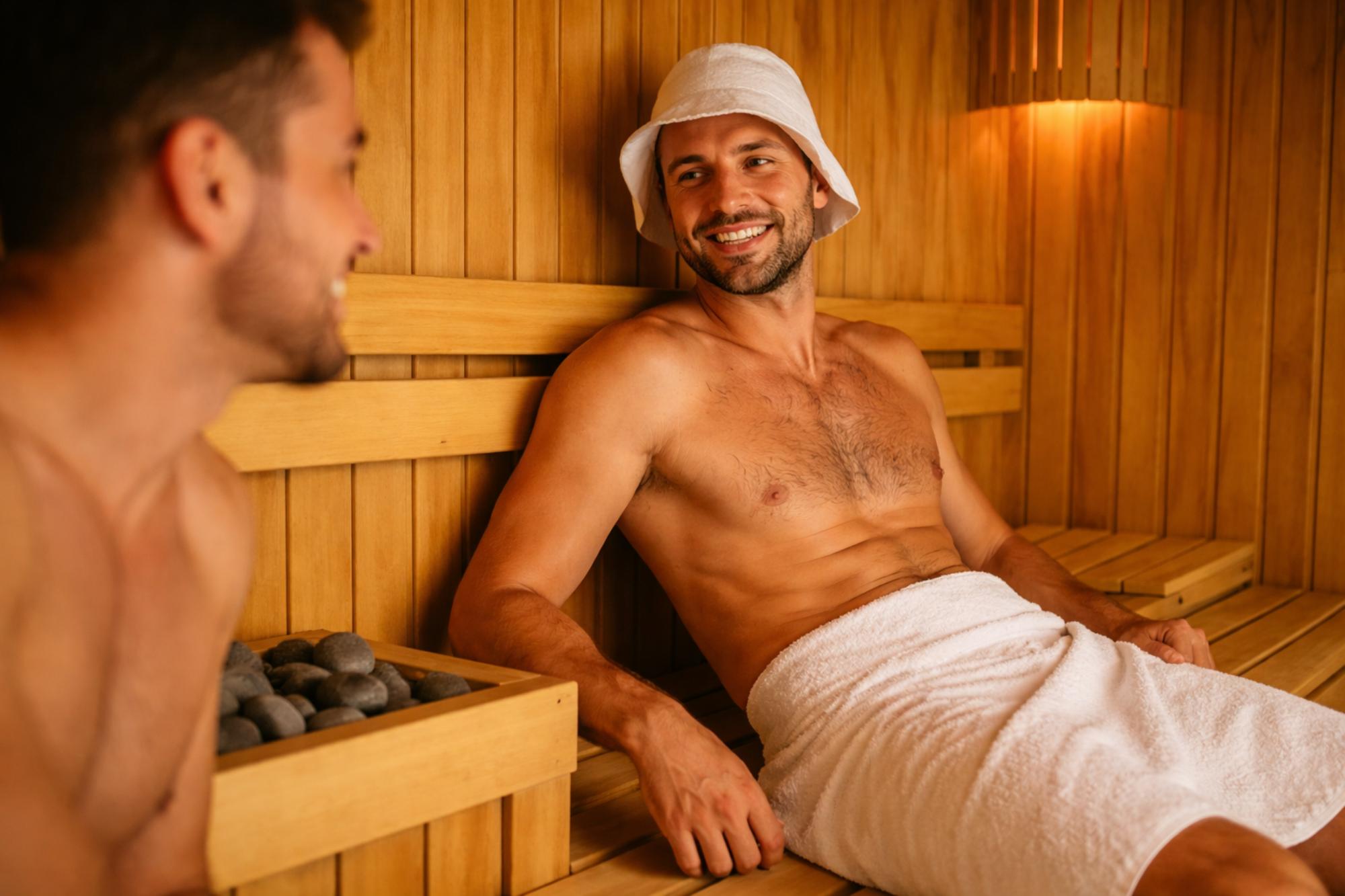
Sauna Use and Body Weight: What to Expect
Many people search “why body weight may temporarily change after sauna use” because the scale can look different after a heat session. It’s an understandable question — and also one that’s easy to misunderstand if you only look at the number.
In this guide, we’ll walk through what sauna sessions can (and can’t) explain about body weight in the short term, why changes are often temporary, and how people typically think about hydration, timing, and safety. The goal is clarity and realistic expectations — not quick fixes.

Table of contents
- What changes on the scale after a sauna session?
- Do saunas “burn calories”?
- Water weight: why it’s common and why it returns
- What affects short-term scale changes?
- Rehydration: what to expect after a session
- Where sauna use fits in a balanced routine
- Safety and comfort considerations
- Final thoughts
What changes on the scale after a sauna session?
If you weigh yourself right after a sauna, you may see a lower number. In most cases, that change reflects fluid loss through sweating — not lasting body weight change. Once fluids are replaced, the scale commonly returns closer to baseline.

Quick question: When you step off the scale after a sauna, are you looking for a number — or looking for a feeling?
A helpful answer: The scale can be a noisy signal after heat exposure. Many people find it more grounded to focus on comfort, routine, and how they feel during and after the session — and to treat short-term scale changes as temporary data, not a verdict.
Do saunas “increase energy expenditure”?
In a sauna, heat exposure often increases heart rate and the body’s effort to regulate temperature. That can increase heat-related energy use compared to resting in a cool room. However, this varies widely by individual, temperature, session length, and hydration status — and it’s typically not comparable to structured physical activity.
Some sources cite modest estimates for energy expenditure during a sauna session, but these numbers are not consistent across people or settings. If your goal is sustainable long-term wellness routines, most approaches center on nutrition, movement, sleep, and repeatable routines — with sauna use, for many people, serving a separate role focused on relaxation and recovery habits.
If you’re also exploring sauna temperature ranges and what different sauna types feel like in practice, you may find this pillar guide helpful: sauna temperature ranges: what to expect.
Water weight: why it’s common and why it returns
Sweating is a normal cooling process. In a sauna environment, sweating can be more noticeable, which may translate to a short-term change on the scale. This does not automatically indicate a change in long-term body composition or long-term body weight.
Because the body relies on water balance for everyday balance, replacing fluids after a session is commonly recommended. When you rehydrate, it’s normal for the scale to move back toward where it was before the session.

A common misconception to avoid
A frequent misunderstanding is assuming that a lower scale number after a sauna means lasting body weight change. In most cases, the more accurate interpretation is simple: sweating changed short-term fluid levels.
What affects short-term scale changes?
Even when the sauna routine is the same, the scale can fluctuate. Several everyday factors influence what you see afterward — especially fluid intake and how much you sweat.

Common factors people notice
- Hydration going in: starting a session already low on fluids can intensify temporary changes in hydration levels.
- Session length: longer sessions often lead to more sweating, though comfort varies.
- Sauna temperature and type: traditional and infrared saunas typically feel different, and people often adjust duration accordingly.
- Individual variability: body size, sweat rate, and heat tolerance differ widely.
For a practical session-length overview, see: how long to sit in a sauna.
Rehydration: what to expect after a session
Rehydration is a common part of sauna routines. Drinking water after a session can help restore fluids lost through sweat. Some people also choose electrolyte-containing options, especially after longer sessions, but preferences and needs vary.
Simple hydration habits many people follow
- Drink water before and after the session.
- Pay attention to thirst, dizziness, or unusual fatigue.
- Allow time to cool down gradually in a comfortable environment.
Where sauna use fits in a balanced routine
While sauna sessions may be part of a consistent wellness routine, they’re usually most helpful when paired with broader habits that support long-term consistency — such as regular movement, balanced meals, and sufficient rest.
Some people enjoy sauna use after workouts as a “transition” into rest. If that’s your context, you may find this guide useful for routine planning: sauna use around workouts.

Quick question: If you removed the scale from the conversation, what would you want your sauna routine to give you — time, calm, recovery, or something else?
A helpful answer: Many routines last longer when they serve a clear purpose beyond numbers. If sauna time becomes a reliable “pause” in your week, it often feels easier to keep it consistent — regardless of what the scale does the next morning.
Safety and comfort considerations
Safety matters more than any target number. If you have medical concerns, are under active medical care, are pregnant, or are unsure whether sauna use is appropriate for you, it’s wise to seek guidance from a qualified professional.
Common, practical precautions
- Limit session length: many people keep sessions within a comfortable range and step out if they feel unwell.
- Hydrate: replacing fluids after sweating is a widely used precaution.
- Cool down gradually: allow your body to return to normal temperature over time.
If you use saunas in shared environments, this guide may also help: how to use a sauna at the gym.
Final thoughts
So, how much “weight” can you lose in a sauna? In many cases, the short-term change people see is temporary fluid loss — and it commonly returns after rehydration. The more useful takeaway is understanding what the scale is showing (and what it isn’t), so you can approach sauna use with clear expectations.
If you’re building a sauna routine and want to understand temperature ranges and what different sauna styles feel like, you can revisit: sauna temperature ranges: what to expect.
Quick recap
- Short-term scale changes after a sauna session often reflect fluid loss through sweating.
- Once you rehydrate, it’s common for the scale to return closer to baseline.
- Energy expenditure in a sauna varies widely and is typically not comparable to structured exercise.
- Hydration, session length, sauna temperature, and individual sweat rate can influence what you see on the scale.
- Many people use saunas as part of relaxation or recovery routines, alongside broader lifestyle habits.
- Comfort cues, hydration, and cooling down are common safety considerations.
Where to go next
Read: Sauna temperature ranges
A clear overview of common temperature ranges in traditional and infrared saunas, and how people typically choose settings.
Read: How long to sit in a sauna
A focused guide on session length, comfort cues, and what people commonly consider when building a routine.
Explore: Sauna use around workouts
If your sauna routine is connected to training days, this guide covers practical considerations and timing habits.
If you’d like help thinking through sauna types, temperature preferences, space considerations, or routine planning, you can book a complimentary, no-pressure call to explore what may fit your needs.
Learn how My Energy Flow approaches education-first wellness, with calm guidance and long-term thinking.
A clear overview of how we guide customers with guidance, transparency, and practical expectations.
Answers to common questions about shopping, delivery, and what to expect.
If you have a question and want a straightforward answer, we’re here to help.
Note: This content is for informational purposes only and is not intended as medical advice, diagnosis, or treatment. Individual experiences vary. For personal guidance, consult a qualified professional.
Disclaimer: This content is for informational and educational purposes only and is not intended as medical advice. The information shared reflects general wellness and lifestyle perspectives and should not be used to diagnose, treat, cure, or prevent any condition. References to potential benefits, timelines, or outcomes are general in nature and may vary from person to person. Always consult a qualified healthcare professional before making changes to your health or wellness routine.
Products and modalities discussed are intended for general wellness and lifestyle use only. Product use and installation are undertaken at the user’s discretion, and local codes, regulations, and requirements may vary. While we strive to keep information accurate and up to date, My Energy Flow makes no representations or warranties regarding completeness or applicability.

Reviewed by My Energy Flow


Leave a comment
This site is protected by hCaptcha and the hCaptcha Privacy Policy and Terms of Service apply.