

Sauna Use Guide: What to Expect from Regular Sessions
Saunas have been a core component of wellness routines for centuries — from traditional dry heat to infrared warmth. Many people enjoy saunas for relaxation, comfort, and deep unwind time, but what does a sauna actually feel like during regular use?
Below, we break down the commonly discussed aspects of regular sauna sessions, including personal care routines, comfort, post-activity relaxation, relaxation, and the differences between infrared and dry sauna environments.

Types of Saunas
Saunas can vary by heat source, temperature intensity and personal preference. While all are often used for relaxation, each offers a distinct experience.
Dry Sauna
The most traditional format — heated between approximately 150°F–195°F. A dry sauna environment encourages sweating, steady heat, and a classic feel.
Infrared Sauna
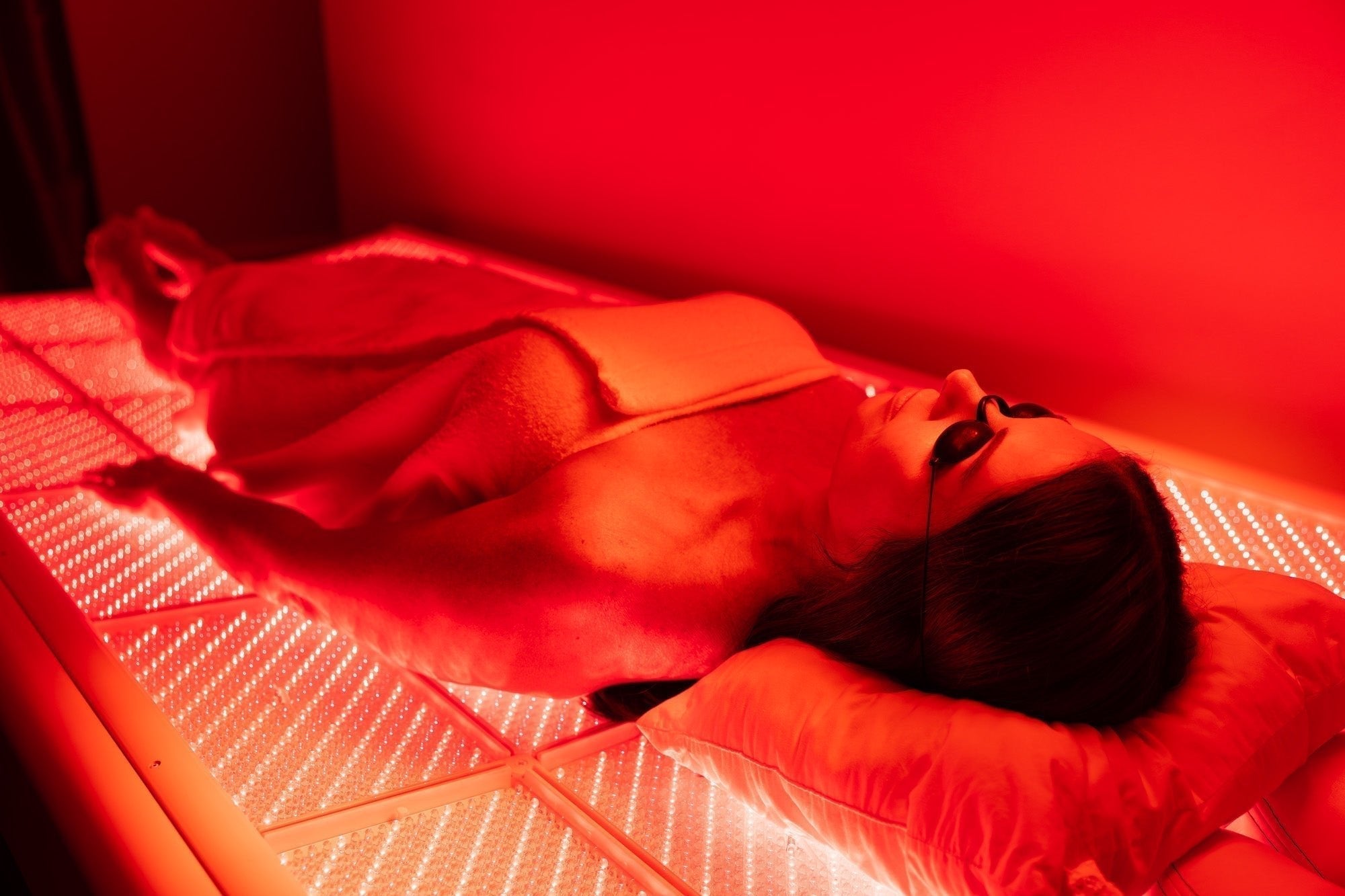
Uses infrared light to create a more direct warmth experience rather than warming the surrounding air. Temperatures feel more tolerable to some users, and some users describe the warmth as more direct. This style is popular for post-activity relaxation and general relaxation.
Steam Sauna
A moist, humid option similar to a steam room. The warmth can feel gentle and comfortable in a humid environment.
Sweat and Routine Use
One of the most common reasons people use saunas is the warm, sweat-focused experience. Sweating is a natural part of the sauna experience and is often associated with personal care routines.

Sauna Comfort for Skin
Saunas create a warm environment that many people enjoy as part of a personal care routine. Some people associate sauna use with a refreshed appearance.
Warmth and Body Response
Heat creates a warm environment that the body responds to. For many people, this can feel similar to light activity and can feel relaxing after activity.
Relaxation and Unwind Time
Heat can feel calming. Many users describe sauna time as a relaxing pause, a greater sense of ease, and deep unwind time after a session. Sauna time may also help you unwind after a long day.
For deeper learning on relaxation-focused sauna components, explore our article on How Heating Units Influence Your Sauna Experience.
Sauna Before or After a Workout?
Before Exercise
Can create a warm environment, support a relaxed feeling, and help you ease into movement.
After Exercise
Many people enjoy sauna sessions post-training to feel more relaxed after training.
Want to match sauna size to fitness lifestyle? Explore:
Infrared Sauna vs Dry Sauna
If you're selecting your first unit, comfort preference matters. Infrared offers lower ambient temperatures with a more direct warmth feel. Dry saunas deliver hotter, crisp heat and a stronger sweat-focused experience.
Far Infrared Sauna Use
Far infrared wavelengths create a more direct warmth experience, creating a calm warm environment that many users find comfortable.

Other Common Experiences
- Relaxation and quiet evening routines
- A calm and comfortable setting
- A comfortable post-activity routine
How to Use a Sauna Safely
- Start slow — short sessions first, then increase as comfortable
- Drink water before and after
- Exit if light-headed or overheated
- Consider a cool rinse post-session
For more answers, you may find these useful:
Editorial note: My Energy Flow publishes content for general educational and product-research purposes. We aim to keep product specifications, technical information and referenced research accurate and current, but details may change over time. Always confirm current manufacturer documentation and applicable local requirements before purchasing, installing or using a product.
Health and wellness information is general in nature and is not a substitute for personalized medical advice from a qualified healthcare professional.



Leave a comment
This site is protected by hCaptcha and the hCaptcha Privacy Policy and Terms of Service apply.