
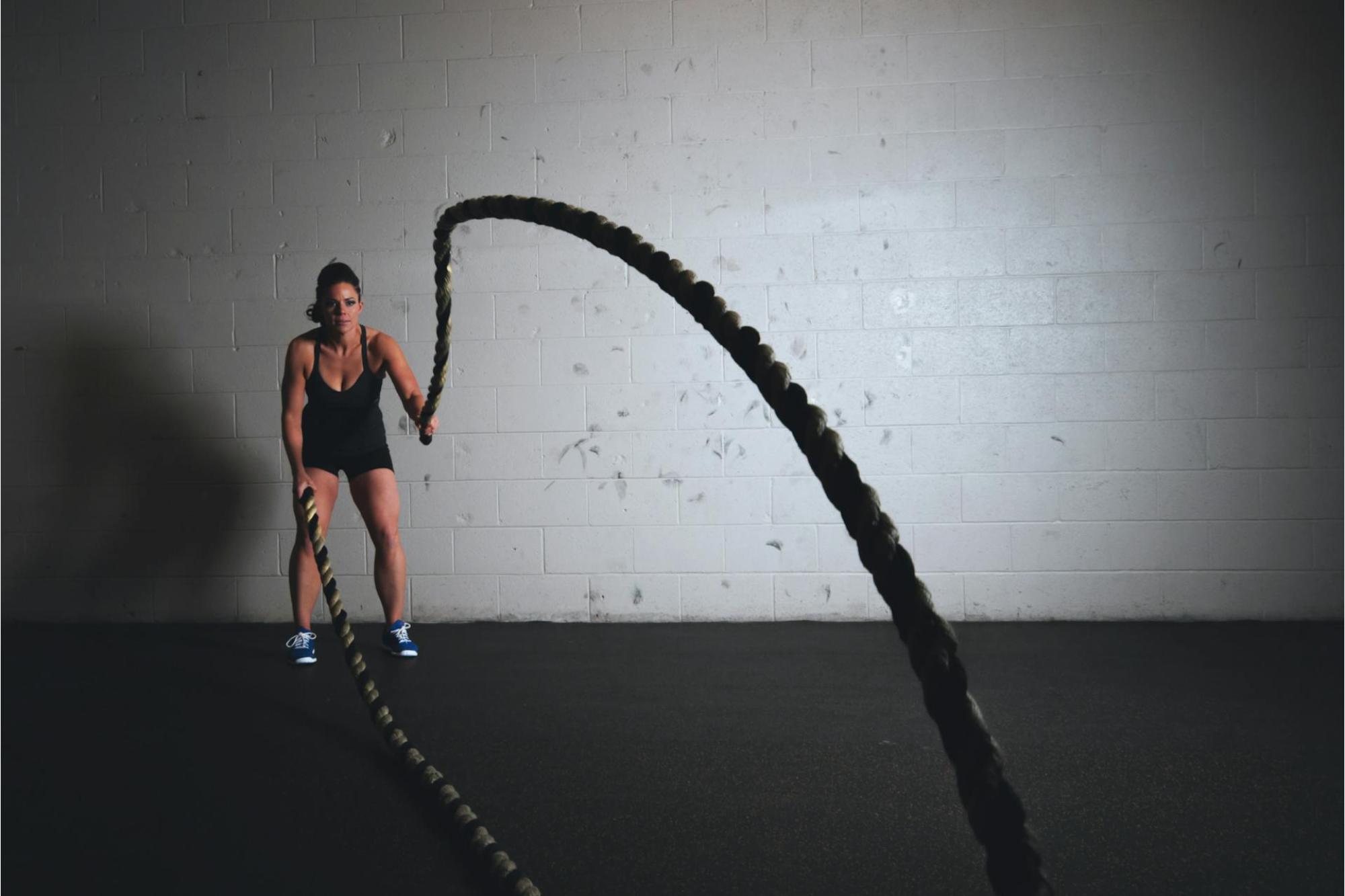
How to Choose Personalized Wellness Equipment for Your Routine
Choosing the right wellness equipment can influence how consistently you use it and how well it fits into your lifestyle. Personalized devices work best when they align with your preferences, comfort level, and routine. This article explains how to assess your needs, match devices to preferences, and interpret research context responsibly before making a decision.
Many people purchase tools that look impressive but do not match their real preferences. A thoughtful selection process reduces frustration and increases long-term satisfaction. Below, we outline practical steps to help you make informed, balanced choices.
Table of Contents
What Are Your Personal Lifestyle Needs and Preferences?
Start by clearly defining what you want the equipment to fit into. Preferences may include building movement consistency, choosing relaxation routines, supporting evening routines, or tracking activity levels. Clear preferences prevent overspending on features you will not use.
Research often discusses "personalized wellness planning," which focuses on combining user engagement with connected technologies. While promising, consumer devices vary in capability, so aligning equipment with practical, everyday preferences is more important than chasing complex terminology.
Personalized Wellness Planning: IoT & User Engagement
Research explores how connected devices and user engagement models can support sustained participation in wellness routines. These frameworks emphasize personalization and behavioral consistency rather than guaranteed results.
Personalized wellness planning model, P Cooper, 2019
How to Assess Your Tracking Data for Equipment Compatibility
Before selecting equipment, assess measurable indicators relevant to your preference. This may include activity patterns, routine consistency, session frequency, or comfort notes. Wearables and simple tracking tools can provide baseline information.
Digital tracking signals are increasingly discussed in academic research. However, consumer devices are not substitutes for professional assessment. Use data as directional guidance, and consult qualified professionals when appropriate.
Wearables and Tracking Data in Personalized Routines
Research highlights different forms of tracking data that help track patterns over time. Wearables increasingly collect usage and activity signals, though interpretation and context remain critical.
Personalized monitoring research, R Sharma, 2025
Which Lifestyle Preferences Influence Equipment Selection?
Your preference determines what matters most. For example:
- If your goal is activity awareness, heart rate monitoring may be useful.
- If your focus is relaxation, heat-based or float-style environments may fit into routine decompression.
- If your goal is consistent movement, structured equipment that fits your home layout may be ideal.
Always consider safety guidelines and, when necessary, obtain professional guidance before starting new routines.
How to Match Personalized Wellness Equipment to Your Preferences
Establish a realistic baseline first. Then evaluate equipment based on usability, durability, comfort, and integration into your daily schedule.
For example, immersive systems such as larger sauna cabins or structured float environments require space and planning, while portable tools may fit more easily into daily life. The key question is not “What is most advanced?” but “What will I use consistently?”
Explore curated options at My Energy Flow to compare categories based on lifestyle fit rather than marketing claims.
Which Wellness Devices Best Fit Specific Preferences?
Devices should align with your primary preference:
- Monitoring-focused devices help with awareness and habit tracking.
- Heat-based or relaxation systems fit into decompression routines.
- Movement-focused equipment fits into low-impact movement or strength routines.
Select tools that reinforce sustainable habits rather than short-term enthusiasm.
How Does Compatibility Improve Routine Fit?
Compatibility increases consistency. When equipment matches your space, schedule, and comfort level, you are more likely to use it regularly. Consistency, not complexity, is often the most important factor in the overall experience.
What Research Context Supports Equipment Use?
Research literature can provide context for how technologies function. However, observations vary widely depending on device type, usage pattern, and individual differences. Consumer devices should not be interpreted as clinical tools unless explicitly cleared and regulated for that purpose.
How to Interpret Research Data When Choosing Equipment
When reviewing research:
- Confirm that the study matches the device type and intended use.
- Distinguish between laboratory conditions and everyday consumer use.
- Avoid broad claims that promise guaranteed results.
Consult qualified professionals when making decisions that relate to specific health questions.
How to Troubleshoot and Adjust Equipment for Better Fit
If a device is not meeting expectations, review usage consistency and settings first. Small adjustments in frequency, duration, or environment often improve the experience.
What Steps Should You Take If Equipment Does Not Meet Expectations?
- Review manufacturer guidance.
- Verify calibration and correct setup.
- Consult customer support for technical assistance.
- Seek professional input if the device relates to specific use questions.
How to Customize Settings Safely
Adjust settings gradually within recommended ranges. Avoid exceeding suggested durations or intensities. Responsible use protects both safety and equipment longevity.
What Tools and Resources Help Assess Equipment Fit?
Structured comparison guides, checklists, and consultations can simplify decision-making. Reviewing why buy from us may also help you understand how products are selected and supported.
Use personalized checklists to map:
- Your preference
- Your budget
- Your space and electrical requirements
- Your willingness to maintain and clean the device
Frequently Asked Questions
What types of personalized wellness equipment are available?
Common categories include heart rate monitors, routine trackers, movement equipment, sauna systems, and rest-focused tools. Each fits different lifestyle preferences.
How can I ensure the accuracy of my tracking data?
Follow manufacturer instructions carefully, recalibrate when recommended, and cross-check readings periodically. For specific health questions, consult a qualified healthcare professional.
What role do qualified professionals play in equipment selection?
Professionals can help interpret data, assess safety considerations, and advise whether a device aligns with your personal situation.
How often should I reassess my equipment needs?
Reassess every six to twelve months, or sooner if your preferences or circumstances change.
Can I use multiple devices simultaneously?
Yes, but keep your system simple. Ensure data is manageable and that devices do not interfere with each other.
What should I do if my equipment malfunctions?
Consult the user manual, contact customer support, and review warranty terms. Do not attempt unauthorized modifications.
How can I stay informed about new wellness technologies?
Follow reputable publications, attend webinars, and review independent research summaries. Focus on transparency and safety rather than trend-based hype.
Conclusion
Ensuring your personalized wellness equipment aligns with your preferences requires thoughtful assessment, realistic expectations, and consistent use. Start with clear preferences, evaluate compatibility carefully, and rely on balanced research context. When equipment fits your lifestyle, it becomes a sustainable part of your routine rather than a short-term experiment.
Editorial note: My Energy Flow publishes content for general educational and product-research purposes. We aim to keep product specifications, technical information and referenced research accurate and current, but details may change over time. Always confirm current manufacturer documentation and applicable local requirements before purchasing, installing or using a product.
Health and wellness information is general in nature and is not a substitute for personalized medical advice from a qualified healthcare professional.



Leave a comment
This site is protected by hCaptcha and the hCaptcha Privacy Policy and Terms of Service apply.