
Complete Guide to Outdoor Saunas: Types, Installation, and Maintenance
Outdoor saunas have become a popular way to create a dedicated wellness space at home. Whether you are comparing a traditional sauna, an outdoor infrared sauna, or a ready-to-assemble outdoor sauna kit, the appeal is often the same: a calm place to unwind, warm up, and build a more intentional routine outdoors.

This guide explores the main types of outdoor saunas, installation considerations, commonly discussed outdoor sauna experiences, maintenance basics, and how to choose the right materials and layout for your space. If you are early in your research, you can browse our collection of outdoor saunas or explore more educational resources in our sauna journal.
What You’ll Learn
What Are the Different Types of Outdoor Saunas?
Outdoor saunas come in several styles, and the right choice depends on your layout, budget, and the kind of heat experience you want. The most common categories include traditional wood-burning saunas, electric outdoor saunas, portable outdoor saunas, and outdoor infrared sauna designs. Some shoppers also search for an exterior sauna or a sauna outside when comparing backyard-friendly options.
If you want a deeper overview of pre-configured builds and formats, our complete guide to sauna kits is a helpful next step.
How Do Infrared Saunas Differ from Traditional Wood-Burning Saunas?

An outdoor infrared sauna uses radiant heat panels that create a more direct heat experience, while a traditional sauna heats the surrounding air using a stove or heater. Some users find infrared sessions more approachable because the air temperature is often lower, while others prefer the classic feel of a traditional sauna with hotter air and, in some cases, steam.
If you are comparing heat styles in more detail, our traditional sauna guide explains how traditional sauna formats, heater types, and outdoor kits differ.
You may also see the phrase outdoor IR sauna in product research. In practice, this generally refers to an outdoor infrared sauna designed for backyard use.
What Materials Are Best for Outdoor Sauna Construction?
The materials used in an outdoor sauna affect durability, insulation, comfort, and long-term upkeep. Cedar and spruce are two of the most common choices. Cedar is often preferred for its aroma, moisture resistance, and natural durability, while spruce is valued for its structure and affordability.
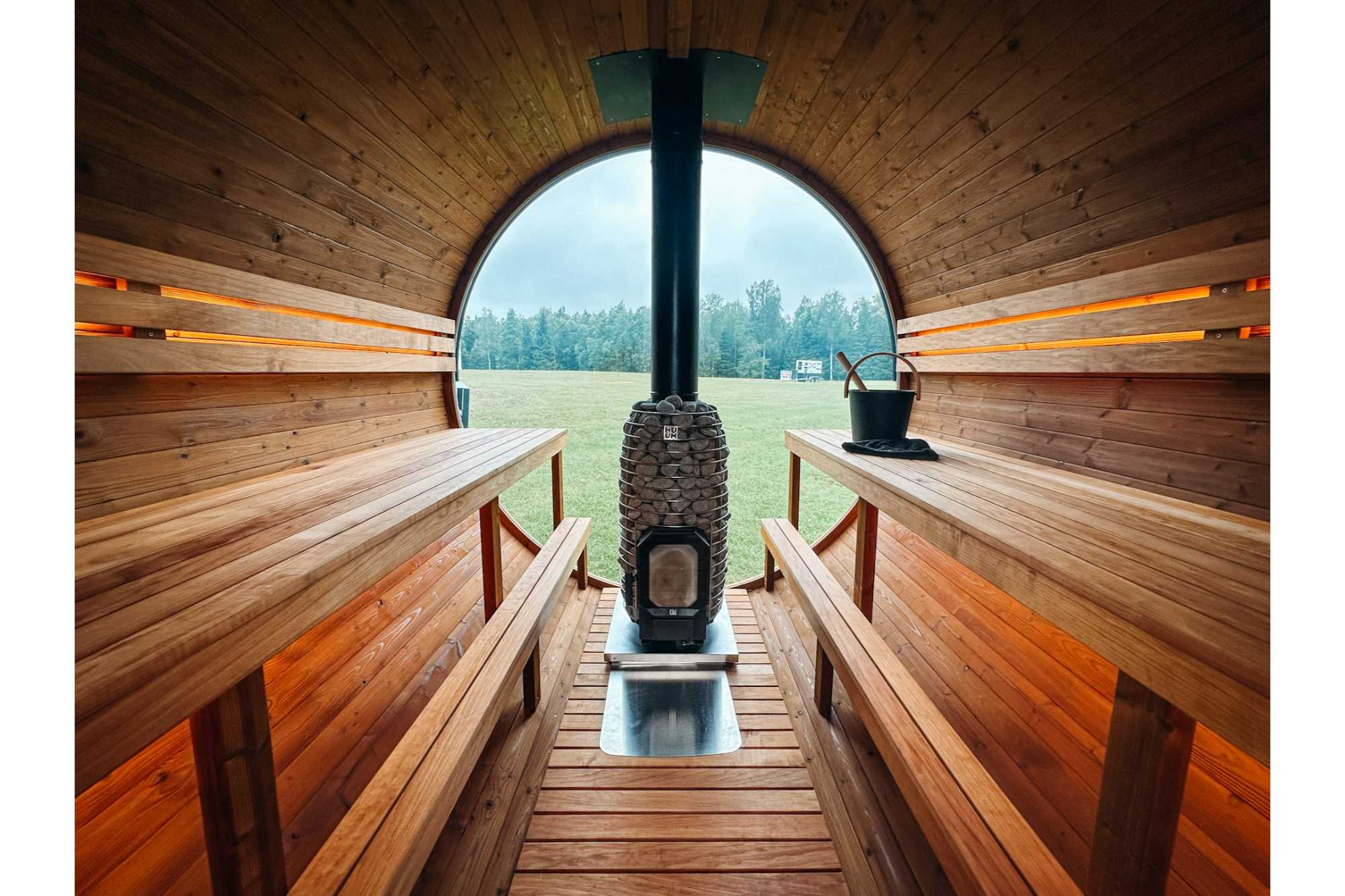
Shape and style also matter. If you are comparing rounded builds and visual appeal, explore our complete guide to barrel saunas, or browse our collections of barrel saunas and cabin saunas.
How to Install an Outdoor Sauna Kit: Step-by-Step Guide
Installing an outdoor sauna kit can be a satisfying project, especially if you want a more streamlined path than building from scratch. Many outdoor sauna kit options come with pre-cut panels, benches, a door, and assembly instructions that simplify the process while still giving you flexibility in placement and finish.
If you are considering a DIY route, our barrel sauna kit DIY assembly guide offers a helpful look at what the process can involve.
Outdoor Sauna Construction & Cool-Down Planning
The decision to build an outdoor sauna often includes thinking through the full experience, including cooling down afterward and how the surrounding space fits that routine.
The Sauna: A Complete Guide to the Construction, Use, and Traditions of the Finnish Bath, 2004
What Components Are Included in a Typical Outdoor Sauna Kit?
A standard outdoor sauna kit often includes wall or barrel panels, benches, a door, trim, and a heater-ready layout. Depending on the model, it may also include insulation, lighting, ventilation components, or accessories. If you are selecting a heating system separately, you can review our sauna heaters collection.
What Are the Key Steps for Safe and Efficient Sauna Installation?
- Site Preparation: Choose a level area with drainage, airflow, and convenient access.
- Foundation Setup: Use a stable surface such as a concrete pad, pavers, or a reinforced platform.
- Assembly: Follow the manufacturer’s instructions carefully for panel alignment, bench installation, and door placement.
- Final Checks: Confirm heater clearance, ventilation, and electrical safety before first use.
For people comparing ready-to-buy options, our outdoor sauna for sale guide can help connect installation planning with shopping decisions.
What Do People Enjoy About Using an Outdoor Infrared Sauna?
An outdoor infrared sauna is often chosen for its gentle-feeling heat and convenience in a backyard setting. Many people use outdoor infrared sauna sessions as part of a routine focused on relaxation, rest, and stepping away from screens or daily stress. While experiences vary, users commonly describe sessions as calming and relaxing.
How Does Infrared Heat Support a Relaxing Sauna Experience?
Infrared heat is commonly used to create a warm environment that supports relaxation during a session. Many people associate this with a feeling of calm or pause afterward. Sweating is often discussed in wellness routines related to heat exposure, hydration, and cooldown practices, but experiences vary from person to person.
To keep this article Google Merchant Center compliant, it is best to view sauna use as part of a broader relaxation routine rather than as a clinical solution or guaranteed outcome.
What Have Studies Explored About Infrared Sauna Use?
Research has explored how infrared sauna use may relate to general lifestyle and comfort-related observations. Some findings are interesting, but the evidence varies by study design and population. Sauna use should be considered a relaxation-focused routine, not a substitute for professional guidance.
Research on Far-Infrared Sauna Use
Published evidence has explored the potential role of far-infrared sauna use in comfort and lifestyle-related contexts, though the strength of evidence varies and remains limited in some areas.
Far-infrared saunas and published evidence summary, 2009
| Commonly Discussed Experience | How Users Often Describe It | Evidence Framing |
|---|---|---|
| Relaxation | A warm, calming environment that may support wind-down routines | Commonly reported by users |
| Sweating | Part of heat exposure and cooldown habits | Context-dependent |
| Post-session comfort | Often used after exercise or at the end of the day | Individual experience varies |
What Are Essential Maintenance Tips for Outdoor Saunas?
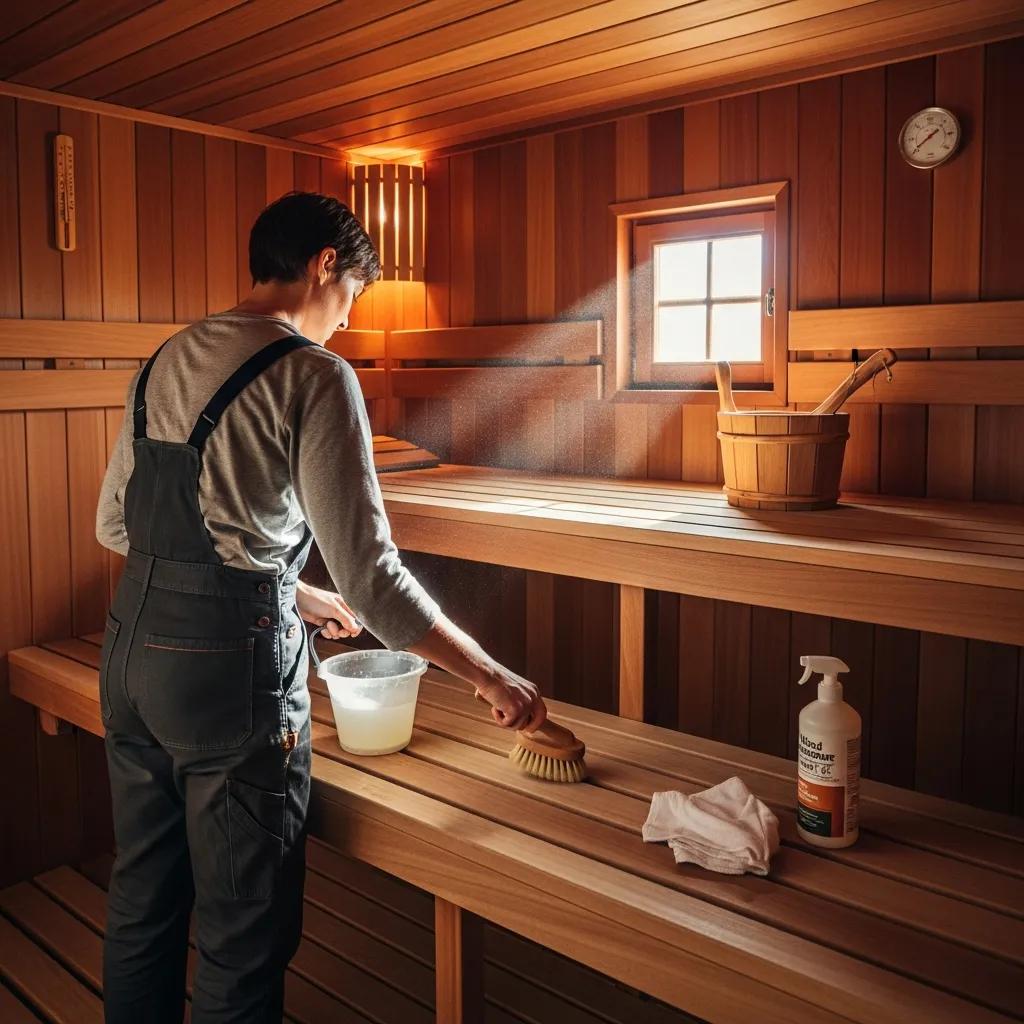
Outdoor saunas last longer and operate better with simple, consistent care. Regular cleaning helps preserve the wood, supports cleanliness, and keeps the sauna feeling fresh and comfortable.
How to Clean and Preserve Cedar and Spruce Sauna Wood?
- Regular Cleaning: Wipe surfaces after use to reduce moisture buildup.
- Deep Cleaning: Use a mild soap solution and a soft brush on interior wood when needed.
- Preservation: Use sauna-appropriate wood care products only where recommended by the manufacturer.
For more practical answers around care, setup, and use, visit our sauna FAQ.
What Safety Guidelines Should Sauna Users Follow?
- Hydration: Drink water before and after sauna sessions.
- Session Duration: Start conservatively and adjust based on comfort level and experience.
- Heat Exposure Questions: Consult a qualified healthcare professional if you have concerns about heat exposure.
These habits help create a safer and more enjoyable routine whether you are using a compact backyard unit or a larger exterior sauna.
How to Choose the Best Wood for Your Outdoor Sauna
Selecting the right wood affects insulation, visual appeal, durability, and overall comfort. Cedar and spruce remain two of the most common options for outdoor saunas, and each has its own strengths.
What Are the Advantages of Cedar Versus Spruce Wood?
- Natural Resistance: Cedar is naturally resistant to moisture and insects.
- Aromatic Qualities: Many users enjoy cedar’s warm, classic sauna scent.
- Heat Comfort: Cedar helps support a comfortable interior experience over time.
Spruce, meanwhile, is often appreciated for its clean look, good structural performance, and lower price point. If budget matters, spruce can still be a strong option for a well-built outdoor sauna.
How Does Wood Selection Affect Sauna Durability and Comfort?
High-quality wood can support heat retention, reduce wear, and help your sauna feel more inviting over the long term. The right material also influences the look and feel of the space, whether you prefer a rustic barrel style or a more architectural cabin layout.
What Are the Features of Portable Outdoor Saunas?
Portable outdoor saunas offer flexibility for people who want a lighter commitment or a more movable solution. Some shoppers researching a sauna sale or comparing seasonal setups look first at portable options because they can be easier to place and budget for than permanent builds.
You may also come across terms like portable sauna steam when researching, but it is important to distinguish portable heated setups from traditional outdoor sauna builds designed for long-term backyard use.
Mobile Outdoor Sauna Design, Installation & Far-Infrared Heat Experience
Research on mobile outdoor sauna design highlights the appeal of smaller-scale units that are easier to install, move, and adapt to different spaces while still supporting a dedicated heat-based setting.
A Study on Design Development of Environment-friendly Mobile Home Sauna, 2015
How Do Portable Saunas Compare to Permanent Outdoor Sauna Installations?
- Cost: Portable models are often more accessible upfront.
- Installation: They usually require less planning and structural preparation.
- Flexibility: They may be easier to relocate or use seasonally.
What Are Common Use Cases for Portable Outdoor Saunas?
- Travel or temporary use: A more flexible option for changing spaces.
- Seasonal backyard setups: Useful when you want a sauna outside without a permanent footprint.
- Smaller properties: Helpful where space is limited.
Frequently Asked Questions
What is the ideal location for installing an outdoor sauna?
A level, private area with drainage and convenient access is typically best. If possible, choose a spot that supports easy entry in all seasons and enough clearance around the unit for airflow and maintenance.
How often should I use my outdoor sauna?
Many people incorporate outdoor sauna sessions two to three times per week, though the best routine depends on comfort, schedule, and experience. Start slowly and adjust based on what feels comfortable.
Can outdoor saunas be used year-round?
Yes. With proper insulation, appropriate heating, and routine maintenance, outdoor saunas can be enjoyed in every season, including winter.
What accessories can enhance the sauna experience?
Popular additions include a thermometer, hygrometer, bucket and ladle, lighting, seat cushions, and cooldown features nearby. If you are deciding between sizes for shared use, our 2-person sauna guide may help.
How can I ensure my outdoor sauna is safe for use?
Follow the manufacturer’s guidance, confirm electrical compliance where required, maintain ventilation, and stay hydrated. If you are unsure which model fits your needs, you can book a free consultation.
Conclusion
Whether you are comparing outdoor saunas for a backyard retreat, researching the right outdoor sauna kit, or narrowing down between a traditional sauna and an outdoor infrared sauna, the best choice is the one that fits your space, preferences, and routine. Material quality, heater type, installation style, and long-term maintenance all play a role in how satisfying the experience feels over time.
To continue your research, browse our outdoor saunas, explore traditional saunas, or review our outdoor sauna for sale guide. For added buying confidence, visit why buy from us and our price match guarantee.
Editorial note: My Energy Flow publishes content for general educational and product-research purposes. We aim to keep product specifications, technical information and referenced research accurate and current, but details may change over time. Always confirm current manufacturer documentation and applicable local requirements before purchasing, installing or using a product.
Health and wellness information is general in nature and is not a substitute for personalized medical advice from a qualified healthcare professional.



Leave a comment
This site is protected by hCaptcha and the hCaptcha Privacy Policy and Terms of Service apply.