

Home Wellness Equipment Cost Comparison: What to Expect When Comparing
The wellness market is growing, and more people are exploring home devices for everyday routines. This article explains the costs tied to basic versus advanced wellness equipment. You will learn the main differences between device types, how prices vary, and how to think about research context in a practical, responsible way. Understanding these points helps you choose equipment that matches your preferences, your budget, and how you actually live.
This guide covers the core distinctions between basic and advanced home wellness tools, typical price ranges, what “product documentation” really means for consumer devices, and a simple way to evaluate return on investment. By the end, you should have a clearer basis for choosing equipment that fits your needs and budget.
Table of Contents
- Key Differences: Basic vs Advanced Equipment
- Features That Define Basic Wellness Devices
- Advanced Technologies and Why They Cost More
- Typical Price Ranges
- How to Interpret Research Context
- How to Evaluate Return on Investment
- Choosing Equipment Based on Personal Preferences
- Frequently Asked Questions
To learn more about our company and how we curate products, visit our our story page.
What Are the Key Differences Between Basic and Advanced Home Wellness Equipment?
Basic and advanced devices serve different needs. Basic devices focus on foundational tracking and simple use. Advanced devices typically add more engineering complexity, higher-grade materials, wider adjustability, and a more immersive or structured usage experience. The best choice is rarely “most advanced.” It is the device you will use consistently and comfortably.
Which Features Define Basic Wellness Devices?
Basic wellness devices usually provide core functions for everyday tracking. They are designed to be accessible and practical, especially if you are new to wellness technology or want simple data without extra complexity.
- Foundational Tracking: Simple monitoring such as step counting, heart rate, or basic fitness metrics.
- Quick Setup: Minimal learning curve with straightforward operation and minimal maintenance.
- Clear Outputs: Basic dashboards or readouts that help with general awareness and habit-building.
Basic devices are a good starting point for building consistency. As your needs become more specific, advanced devices may offer more flexibility, comfort, or training range.
What Advanced Technologies Justify Higher Prices?
Advanced home wellness devices use more complex technology, stronger construction, and often more refined controls. That added complexity can increase cost, especially when devices require specialized components, stronger motors, larger heating elements, or more durable materials.
It is also important to evaluate claims responsibly. Some technologies are widely used, while others have mixed research context depending on the use-case. A practical buyer focuses on safety, clarity, and realistic expectations.
- PEMF Devices: Some products in this category are marketed for broad wellness preferences, but research context varies depending on the specific use and setting. When researching, look for transparent usage parameters and avoid sweeping claims.
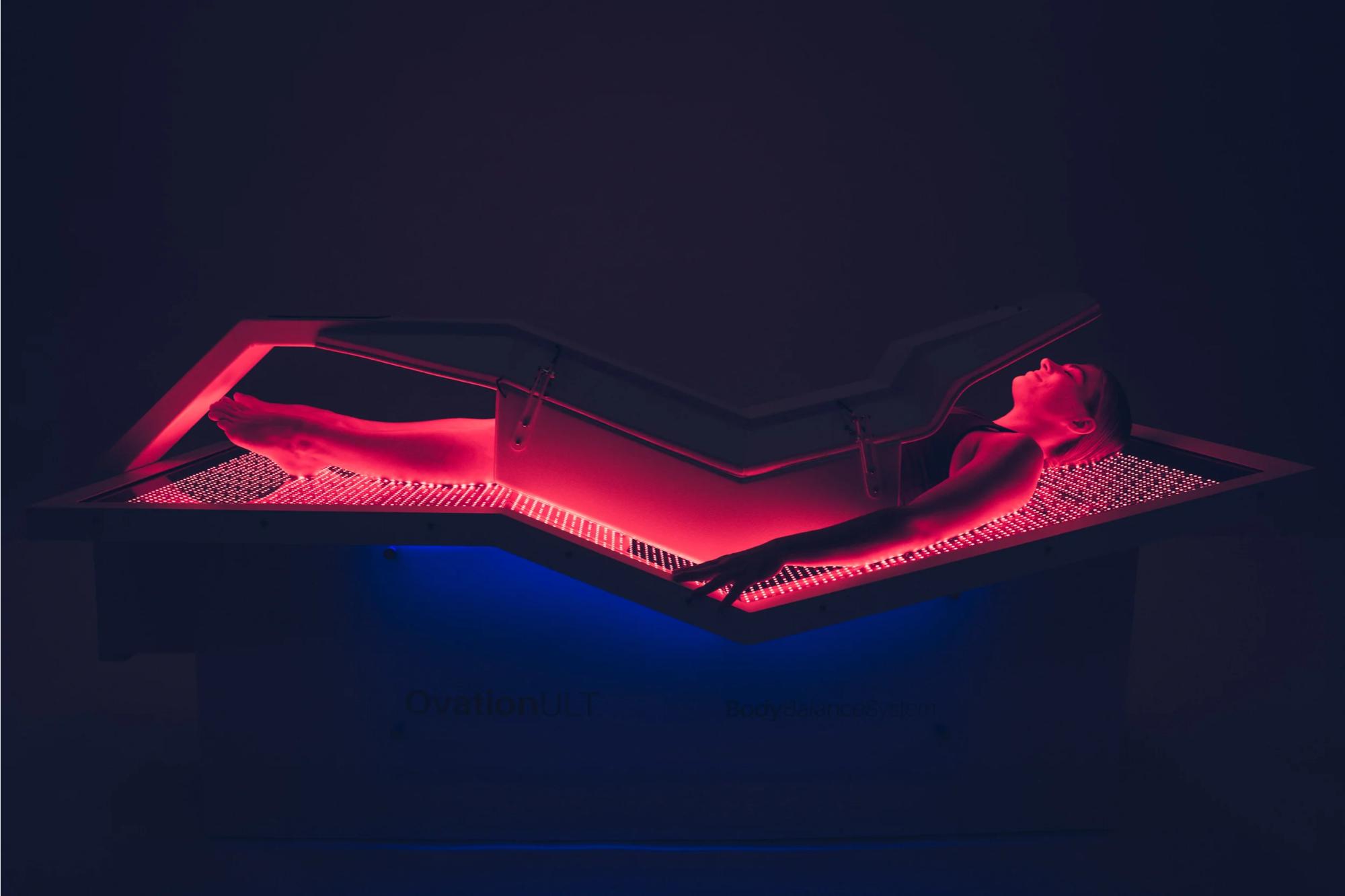
- Light-Based Wellness Devices: Products that use red or near-infrared wavelengths are often purchased for routine use such as comfort, skin-focused routines, or rest-style sessions. Research context varies by application and device design.
- Air Devices with Ion Features: Ion functionality is commonly discussed in marketing; the practical value depends on the overall device function and how it is used. Focus on measurable filtration specifications and room coverage.
Advanced technologies may offer a more structured and enjoyable experience, but cost should be justified by usability, build quality, and how well the device matches your routine.
How Do Prices Vary Between Affordable and Premium Wellness Gadgets?
Prices vary based on engineering, features, and brand support. Understanding typical ranges helps you set realistic expectations when shopping.
What Is the Typical Price Range for Basic Home Tracking Technology?
Basic home devices are often budget-friendly. Typical examples include low-cost fitness trackers and simple tracking devices.
- Basic Fitness Trackers: $30 - $100
- At-Home Tracking Devices: $30 - $80
- Simple Tracking Devices: $20 - $50
These devices are accessible for most people seeking general monitoring and habit-building support.
How Much Should You Expect to Invest in Premium Wellness Equipment?
Premium equipment requires higher upfront investment due to more advanced components and build standards. In many categories, price increases with durability, adjustability, safety features, and overall ownership experience.
- Advanced Devices: Often $150 - $1,500+ depending on category and build quality
- Higher-Tier Systems: Can extend into several thousand dollars for larger formats or specialized equipment
To anchor what “premium” can look like in real life, here are a few examples across categories:
- Hydration tech: A compact device like the Echo Flask Hydrogen Water Bottle is typically in a lower investment tier, designed for daily routine use and portability.
- Multi-modality heat experiences: Larger systems like the Finnmark FD-5 Trinity XL Infrared + Steam Sauna Combo sit in a higher tier due to size, heating complexity, and installation considerations.
- Low-impact movement: A rebounder like the JumpSport 39 Premium Fitness Trampoline is often priced as a premium movement tool based on construction quality, stability, and comfort.
What Research Context Supports the Value of Advanced Wellness Devices?
Research can provide helpful context for how technologies work and what observations have been discussed in certain settings. However, consumer wellness devices can differ from research-grade systems, and results often vary by protocol, population, and device design. A responsible approach is to use research as context, then prioritize transparent specifications and usage guidance.
How Does Research and Product Documentation Impact Equipment Pricing?
Products that invest in testing, documentation, and clear usage instructions often cost more. Documentation can include published research, engineering standards, quality controls, and reputable certifications. That said, “documented” does not automatically mean a device will create the same experience for every person. Individual experiences vary, and usage consistency matters.
What Research Context Exists for Advanced Wellness Technology?
Different technologies have different research profiles. When you see strong body-outcome or medical-style claims, treat them carefully and look for high-quality trials that match the exact use-case. In many categories, the research base is still developing. For most buyers, the safest approach is to prioritize devices that fit routines you can sustain, provide clear guidance, and avoid exaggerated promises.
How Can You Evaluate the Return on Investment for Wellness Equipment?
Return on investment (ROI) is best evaluated through a lifestyle lens: how often you use the device, how long it lasts, and whether it fits habits you can maintain. Avoid assuming a device will reduce healthcare costs. Instead, focus on durability, consistency, and practical routine fit.
What Cost-Benefit Factors Should You Consider?
- Consistency: Will you realistically use it weekly?
- Ease of Ownership: Setup, maintenance, space, and noise level.
- Durability and Support: Warranty coverage, service responsiveness, and replacement part availability.
Compare those factors against price and long-term maintenance needs to decide whether a device is a sensible investment.
How Do User Testimonials Reflect Ownership Experience?
User testimonials can be helpful when they describe the ownership experience: how easy the device is to use, how often it gets used, comfort levels, and whether support was responsive. Look for detailed accounts and consistent themes. Use testimonials as context, not proof of results.
What Should You Consider When Choosing Wellness Equipment Based on Personal Preferences?
Start with clear preferences. Then choose devices that match those preferences, instead of paying for features you will not use.
How Do Different Devices Align with Specific Lifestyle Preferences?
- Fitness Trackers: Useful for activity awareness and habit-building.
- At-Home Tracking Devices: Helpful for general tracking when used with professional guidance.
- Movement Tools: Devices like rebounders can fit into low-impact movement routines and daily movement routines.
- Heat-Based Modalities: Sauna systems can support relaxation and routine-based rest sessions for many users.
What Checklist Helps Select the Right Equipment for You?
- Identify Your Preference: Relaxation, movement, rest routine, or general tracking.
- Confirm Practical Fit: Space, time, frequency of use, and comfort with maintenance.
- Compare Policies: Warranty, returns, and support responsiveness.
If you have more questions, visit our our FAQ page for more information. To understand our approach to curation and support, explore why buy from us.
Frequently Asked Questions
What factors should I consider when comparing different wellness devices?
Match devices to your preferences, confirm practical fit (space and frequency), review specifications, and assess warranty and customer support. Use research as context, and prioritize transparent brands that communicate usage guidance.
How can I ensure I’m purchasing a high-quality wellness device?
Look for clear specifications, durable materials, reputable warranty terms, responsive customer support, and consistent user feedback about build quality and reliability.
Are there any hidden costs associated with advanced wellness equipment?
Yes. Consider maintenance, replacement parts, accessories, possible subscriptions, and in some cases installation or delivery fees. Always review policies before purchasing.
What is the lifespan of typical home wellness devices?
Lifespan varies. Basic wearables often last 2–3 years, while well-built advanced equipment can last five years or more with proper care and adherence to manufacturer guidance.
How do I know if a wellness device is right for my personal situation?
If you have specific health questions, consult a qualified healthcare professional. Then compare device guidance, safety notes, and real-world user considerations before purchasing.
Can I use multiple wellness devices simultaneously?
Yes, but keep the system simple. Align each device with a clear preference so the data stays useful. Too many tools at once can create noise rather than clarity.
What should I do if my wellness device malfunctions?
Follow the troubleshooting instructions in the manual first, then contact customer support. Document communications and confirm warranty coverage if repair or replacement is needed.
Conclusion
Home wellness equipment can support a range of preferences when chosen carefully. Knowing the differences between basic and advanced devices, typical costs, and how to interpret research context helps you make informed choices. Prioritize practical fit, transparent specifications, and long-term support so your purchase delivers practical value over time.
Editorial note: My Energy Flow publishes content for general educational and product-research purposes. We aim to keep product specifications, technical information and referenced research accurate and current, but details may change over time. Always confirm current manufacturer documentation and applicable local requirements before purchasing, installing or using a product.
Health and wellness information is general in nature and is not a substitute for personalized medical advice from a qualified healthcare professional.



Leave a comment
This site is protected by hCaptcha and the hCaptcha Privacy Policy and Terms of Service apply.