

Comprehensive Gut Check: Understanding Digestive Wellness and Microbiome Insights
A gut check can be a helpful way to learn more about your digestive patterns and everyday routines. It often involves looking at the gut microbiome, the diverse community of microorganisms found in the digestive environment. With microbiome and digestive tests, many people aim to better understand what may be influencing their day-to-day comfort and how their routines, food choices, and lifestyle may interact with digestive wellness.

It’s common to explore gut checks when you notice ongoing digestive concerns, changes in daily comfort, or general wellness questions. Testing does not provide medical conclusions, but it may provide useful insights you can discuss with a qualified healthcare professional. If you’re curious how testing can fit into a bigger wellness plan, you can start with your wellness pathway, then explore options in personalized wellness insights, including Viome microbiome insights.
What You’ll Learn
What Is a Gut Check and Why Is It Helpful for Digestive Wellness?
A gut check generally refers to evaluating digestive wellness with tests that look at microbiome patterns and aspects of digestive function. This matters because the gut microbiome is commonly discussed in relation to digestion, food habits, and everyday lifestyle patterns. Understanding microbiome trends can help you spot patterns or variations and consider practical, non-medical adjustments in diet and lifestyle.
Many people use gut checks as an educational starting point. They may help you build awareness, track changes over time, and have more informed conversations with a clinician if you have ongoing digestive concerns.
How Does a Gut Microbiome Test Reveal Digestive Patterns?
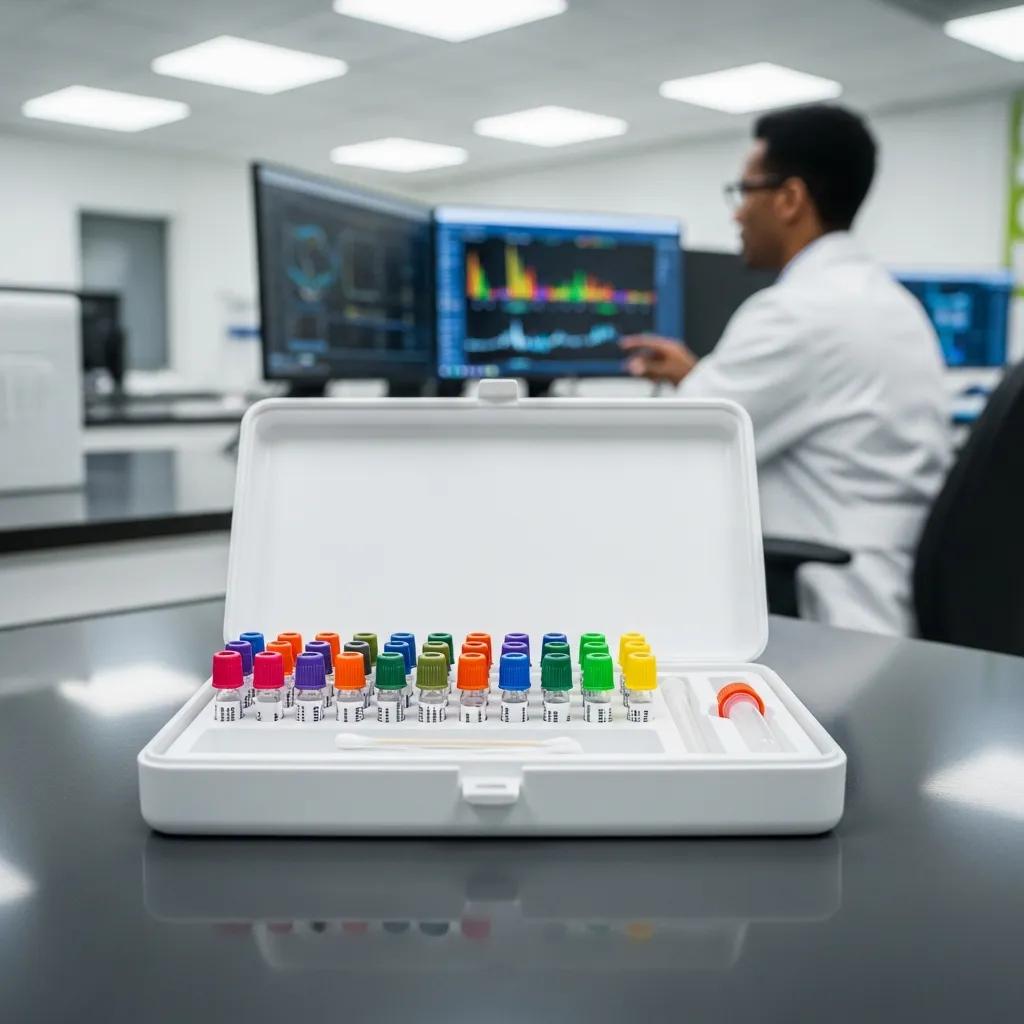
A gut microbiome test analyzes patterns in the microorganisms present in the digestive tract. Many tests report measures such as microbial diversity and relative balance across different groups. Diversity is often discussed as one indicator of a varied microbiome pattern, though what’s “ideal” can vary from person to person.
Results are typically best used as context. They can suggest areas to explore, like food variety, fiber intake, hydration, sleep, stress habits, and other routine factors that may influence digestive comfort.
Various techniques are employed by researchers to explore the gut microbiome, each offering different kinds of insight.
Gut Microbiome Analysis Techniques Explained
Researchers use multiple methods to study the gut microbiome. PCR can be sensitive but depends on DNA extraction quality. Next-generation sequencing (NGS) is detailed but can be costly and data-intensive. Culture methods can be biased and time-consuming. FISH can help researchers view specific microbial populations in place.
Analytical methods for studying the human gut microbiome, 2024
What Role Do Probiotics and Digestive Enzymes Play in Digestive Wellness?
Probiotics are live microorganisms that are commonly used in routines focused on microbiome balance. Digestive enzymes are commonly used in routines focused on digestion and meal support. Some people choose probiotics or enzymes as part of a broader routine that includes food quality, meal timing, and stress management.
Because needs vary, it can be helpful to discuss supplement choices with a qualified healthcare professional, especially if you have ongoing digestive concerns or take medications.
Which Types of Digestive Wellness Tests Are Available for Microbiome Analysis?
There are several types of digestive wellness tests, and each looks at a different aspect of digestion and microbiome patterns. The right option depends on your goals, concerns, and whether you are working with a clinician.
How Do Stool Tests, Breath Tests, and Blood-Based Indicators Differ?
Stool tests commonly look at microbiome patterns and may include markers related to digestion or digestive activity. Breath tests measure certain gases produced during digestion and are sometimes used in clinical contexts when a provider is assessing specific digestive patterns. Blood-based indicators can provide general information, though they are not specific to the gut on their own.
Improving consistency in testing tools involves careful preparation and consistent protocols.
SIBO Breath Test Preparation and Consistency
Breath testing consistency can be supported through careful participant selection, proper test preparation, and standardized testing protocols.
Breath testing for small intestinal bacterial overgrowth, WD Chey, 2014
What Is an Intestinal Permeability Discussion and How Does It Explore Digestive Barrier Patterns?
An intestinal permeability discussion is commonly described as a way to explore how selectively the gut lining allows substances to pass through. Some tests measure markers in blood or urine that may be associated with permeability patterns.
It’s important to note that “leaky gut” is often used online as a broad term. If you have an ongoing concern or persistent digestive concerns, a clinician can help determine which tests, if any, are appropriate and how to interpret them in context.
How Can You Prepare for a Gut Check Test to Support More Consistent Insights?
Preparation matters because recent changes in diet, supplements, and medications can influence test outputs. Following the provider’s instructions helps ensure results reflect your typical patterns as closely as possible.
What Are the Best Practices Before Taking a Microbiome or Probiotic Routine Test?
Many testing providers recommend avoiding antibiotics, probiotics, or certain supplements for a period, often 2–4 weeks, before sample collection, unless a clinician advises otherwise. Keeping your diet relatively consistent in the days leading up to testing may also help reduce “noise” in results.
If you’re exploring testing as part of a guided wellness plan, you can review options in Viome microbiome insights as a structured way to gather data and build routine awareness.
Are There Dietary or Medication Considerations Prior to Testing?
Some tests include short-term guidance, such as avoiding alcohol, unusually high-fiber days, or major diet shifts right before collection. Certain medications may also influence results. Always follow the instructions that come with your test, and consult a qualified healthcare professional before pausing prescribed medications.
How to Interpret Gut Check Test Results for Digestive Routine Awareness?
Results can be a useful starting point, especially when interpreted as trends rather than absolute conclusions. Many people use results to identify areas to support routine consistency, food variety, and lifestyle factors that influence digestion.
What Do Microbiome Diversity and Digestive Activity Markers Indicate?
Microbiome diversity is often discussed as one indicator of overall microbiome variety. Some stool tests also include digestive activity markers, for example calprotectin, that may suggest whether follow-up with a clinician is worthwhile. These markers do not replace professional guidance, but they can help guide next steps if digestive concerns persist.
If your results raise questions, consider discussing them with a qualified healthcare professional to interpret what they may mean in your specific context.
How Can Individualized Food Approaches and Probiotic Plans Support Digestive Wellness?

Personalized nutrition approaches aim to match food choices and habits to individual responses. For example, someone exploring low diversity may focus on increasing plant variety gradually, while someone exploring digestive comfort may experiment with meal timing, hydration, or specific food swaps. Probiotics and prebiotic fibers are sometimes used as part of these plans, depending on tolerance and preferences.
Further research highlights the growing interest in aligning nutrition strategies with individual microbiome profiles.
Personalized Nutrition & Gut Microbiome Strategies
Personalized nutrition recognizes that the same foods may lead to different responses across individuals. Recent research explores the gut microbiome as one factor in these differences, noting that microbiota patterns vary person to person and can shift with dietary change.
Personalized diets based on the gut microbiome and wellness routines, EJ Song, 2022
If you want a guided, step-by-step framework for using test insights to support lifestyle changes, start with your wellness pathway and explore personalized wellness insights options.
What Are Common Digestive Wellness Discussions Connected to Gut Check Tests?
Gut check tests may highlight patterns that are commonly discussed in digestive wellness conversations, such as microbiome variations or markers that suggest follow-up. However, tests alone do not provide clinical conclusions.
How Are Leaky Gut Discussions and IBS Patterns Reviewed Through Testing?
“Leaky gut syndrome” is often used as a general phrase online, while irritable bowel syndrome, or IBS, is usually reviewed through symptom patterns and professional guidance. In healthcare settings, testing may be used to gather more context, alongside a clinician’s assessment.
If you experience ongoing or severe digestive concerns, it’s important to speak with a qualified healthcare professional for guidance and care.
What Is the Role of Intestinal Permeability in Digestive Wellness Discussions?
Intestinal permeability is a research area that looks at how the gut lining functions as a selective barrier. In wellness conversations, people often explore diet quality, sleep, stress, and food tolerance as practical levers that may influence digestive comfort and routine consistency. If you are working with a clinician, they can help you decide whether testing is appropriate and what changes are most relevant.
What Are the Recent Developments and Research Trends in Gut Microbiome Science?
Gut microbiome science continues to evolve quickly. Researchers are exploring how microbial patterns interact with diet, lifestyle, and individual differences over time.
How Do Recent Studies Influence Gut Check Testing?
Recent studies highlight that microbiome patterns differ widely between individuals and can shift based on food choices, sleep, stress, travel, and medications. This supports a trend toward more personalized testing and interpretation, often paired with practical habit-building rather than one-size-fits-all recommendations.
What Future Innovations Are Expected in Gut Check Analysis Tools?
Future innovations may include improved sequencing and analysis methods, as well as better tools for turning complex microbiome data into understandable insights. Some approaches also explore AI-supported data organization to help summarize large datasets. As research develops, testing may become more precise, easier to interpret, and more useful for everyday wellness decisions.
Conclusion
A comprehensive gut check can be a thoughtful way to learn more about your digestive routine awareness and microbiome patterns. While testing does not provide medical conclusions or guaranteed outcomes, it may provide useful information to support lifestyle choices and conversations with a qualified healthcare professional.
If you want to explore testing as part of a structured wellness approach, start with your wellness pathway, browse personalized wellness insights, and review Viome microbiome insights. For how we support customers with education and service expectations, see why buy from us.
Disclaimer: This content is for informational and educational purposes only and is not intended as medical advice. The information shared reflects general wellness and lifestyle perspectives and should not be used to diagnose, treat, cure, or prevent any condition. References to potential benefits, timelines, or outcomes are general in nature and may vary from person to person. Always consult a qualified healthcare professional before making changes to your health or wellness routine.
Products and modalities discussed are intended for general wellness and lifestyle use only. Product use and installation are undertaken at the user’s discretion, and local codes, regulations, and requirements may vary. While we strive to keep information accurate and up to date, My Energy Flow makes no representations or warranties regarding completeness or applicability.

Reviewed by My Energy Flow



Leave a comment
This site is protected by hCaptcha and the hCaptcha Privacy Policy and Terms of Service apply.