
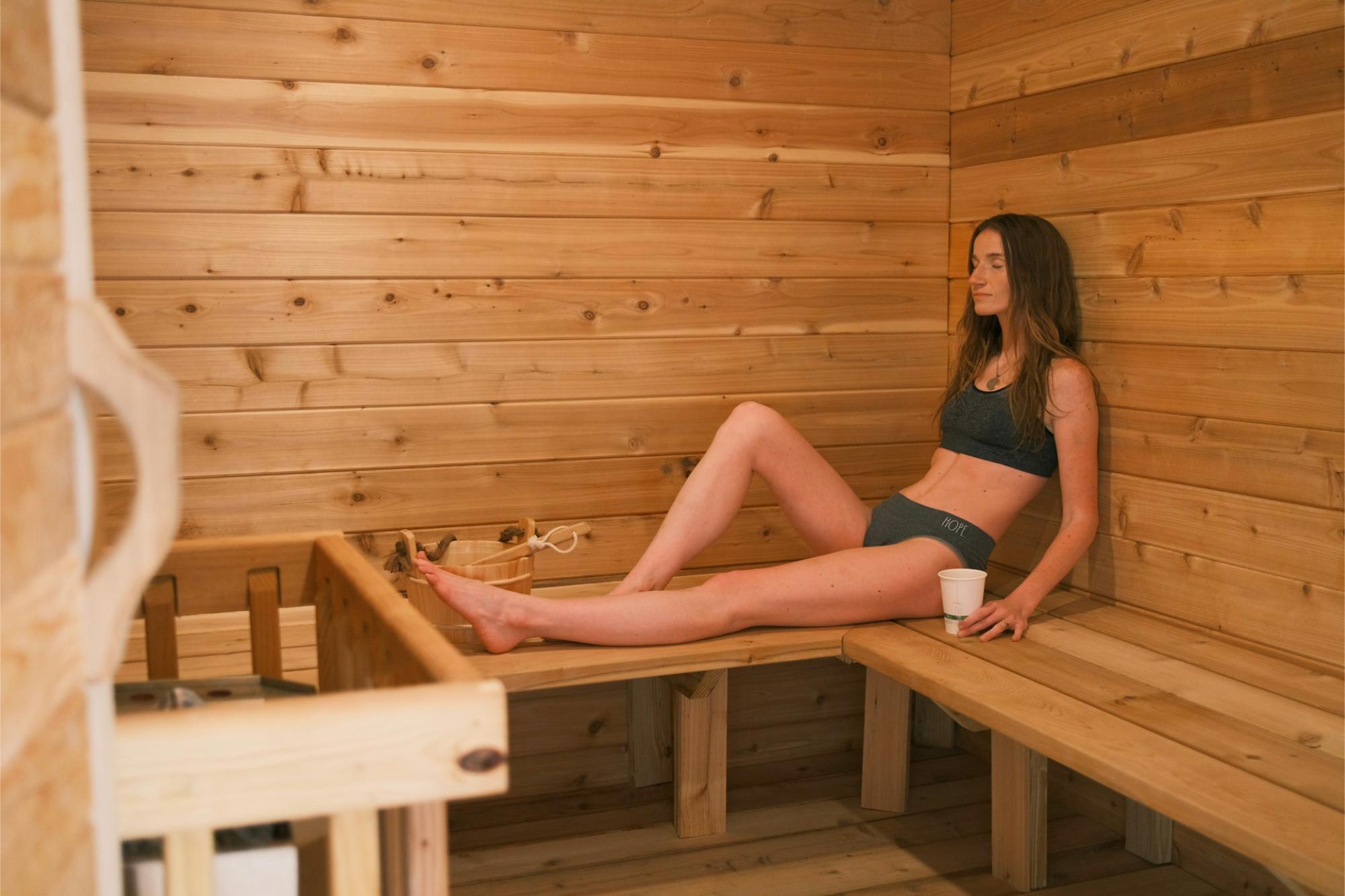
Unlock the Power of Personal Saunas
Personal steam saunas have grown in popularity as a convenient way to enjoy a warm, humid sauna environment at home. Many people use steam sessions to encourage relaxation, comfort, and a consistent daily routine. In this guide, we’ll break down the main types of personal steam saunas, how steam sauna systems work, how portable models compare with fixed installations, and what to consider when choosing the right setup for your space and preferences.
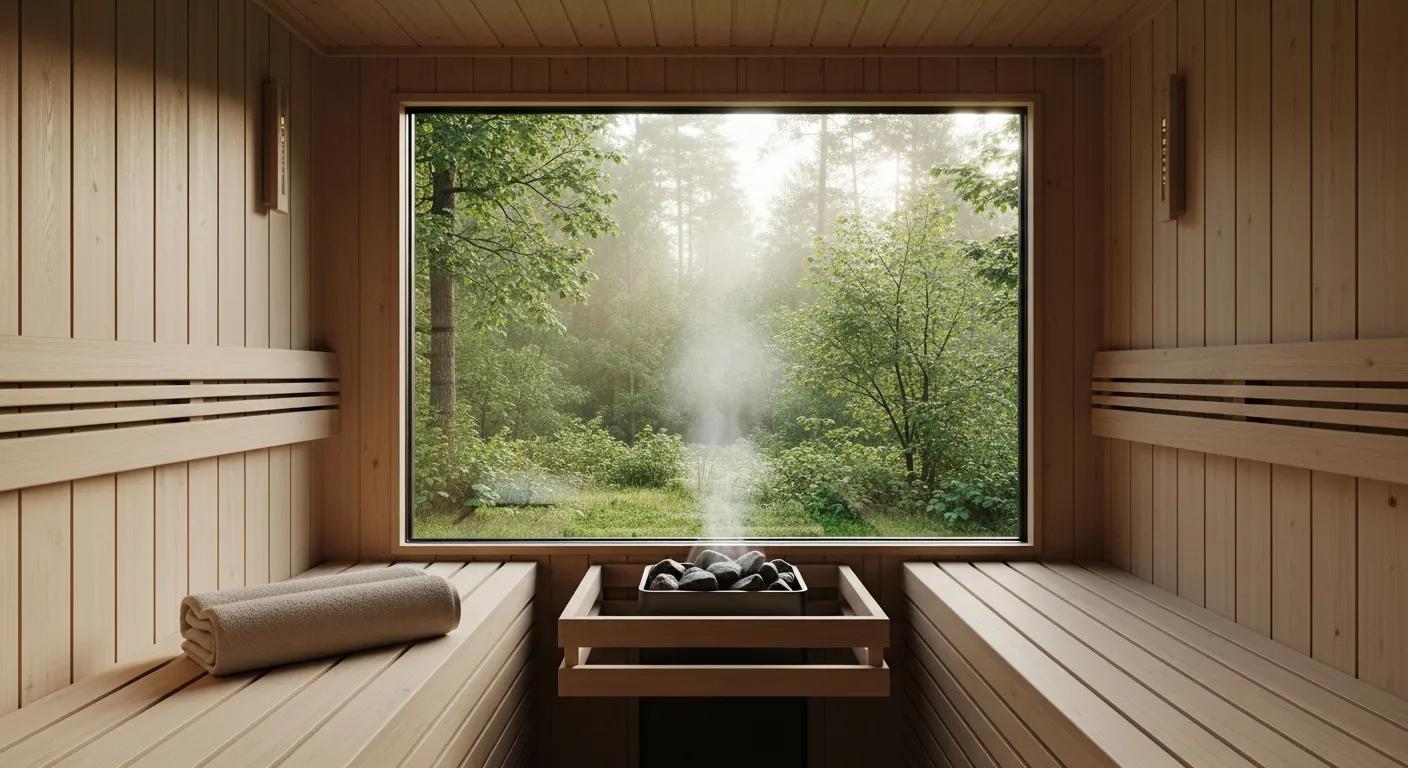
This article also covers basic care tips, common features, and price ranges so you can evaluate options with confidence. If you are comparing formats, you may also find it helpful to explore sauna options and formats as a starting point.
Table of Contents
- What are personal steam saunas and how do they work?
- One person vs two person steam saunas
- Steam generation technology
- Common experiences and what to expect
- Portable steam saunas vs fixed home steam saunas
- Steam saunas vs infrared saunas
- How to choose and maintain a personal steam sauna
- Price ranges and market trends
What Are Personal Steam Saunas and How Do They Work?
Personal steam saunas are compact, enclosed spaces designed to deliver a warm, humid environment using steam. A steam generator heats water to create steam that fills the enclosure. This creates a high-humidity experience that many people find soothing and comfortable, especially as part of a relaxation routine.
Personal steam saunas come in different sizes and formats, including portable steam tents and more permanent home steam rooms. The best choice typically depends on your space, budget, and how often you plan to use the sauna.
Defining One Person and Two Person Steam Saunas
One person steam saunas are designed for individual use and typically fit into smaller rooms or flexible home setups. Two person steam saunas provide more space and are often chosen by households that prefer shared sessions or extra room for comfort.
When deciding between one-person and two-person configurations, consider your available floor space, how you prefer to use the sauna (quick solo sessions vs shared sessions), and whether you want room for towels, seating, or accessories.
Steam Generation Technology in Personal Saunas
Most personal steam sauna systems use electric steam generators. These units heat water and release steam into the sauna. Many models include controls for temperature, session time, and steam output so you can adjust the experience based on preference.
When comparing options, look for clear safety features such as automatic shut-off, predictable controls, and well-documented electrical requirements. These details can make setup simpler and help protect long-term operation.
What Do People Commonly Enjoy About Personal Steam Saunas?

Many people use steam saunas to encourage relaxation, ease into a calmer evening, and create a calming routine. The warm humidity may feel physically comforting and can encourage sweating, which some people associate with a refreshed feeling after sessions.
Individual experiences vary. Steam saunas are not clinical solutions, and results are not guaranteed. If you have questions about heat exposure, it’s a good idea to check with a qualified healthcare professional before starting regular sauna use.
Comfort, Sweating, and Relaxation
A warm steam environment creates a noticeable heat experience and often encourages sweating. Many users describe steam sessions as calming and helpful for winding down. Some research on sauna bathing discusses lifestyle-related observations, but outcomes depend on the population studied, sauna type, and overall lifestyle context.
To keep this practical: focus on what you can control. Start with short sessions, stay hydrated, and use steam consistently as part of a broader lifestyle routine that includes sleep, movement, and nutrition.
The takeaway: steam saunas can be a meaningful comfort practice, but it’s best to avoid treating them as a guaranteed pathway to specific results.
Relaxation and Routine Experiences
Many users value steam saunas for routine-based relaxation. The warm, quiet environment can encourage calm breathing, mindfulness, and a decompression ritual after work or workouts. People often pair steam sessions with music, guided breathing, or a post-session shower.
How Do Portable Steam Saunas Compare to Fixed Home Steam Saunas?

Portable steam sauna tents and fixed home steam saunas serve different priorities. Portable models are typically lower cost and easier to set up. Fixed models often provide a more permanent, integrated experience but require planning and installation.
Features and Portability of Steam Sauna Tents
Portable steam sauna tents are popular for flexibility. They usually fold down for storage, can be set up in many rooms, and may include timers and adjustable heat/steam controls. They can be a practical starting point if you’re testing whether steam sessions fit your lifestyle.
Some people pair portable sauna routines with other comfort-focused relaxation tools, such as heated relaxation mats, depending on their preferences and space.
Portable Steam Sauna Pods: Reliability and Use in Passive Heat Exposure
Research has explored the reliability of certain portable sauna pod designs for passive heat exposure protocols. Results depend on the specific device, protocol, and study context.
The reliability of a portable steam sauna pod, AGB Willmott, 2023
Installation and Space Requirements for Fixed Home Steam Saunas
Fixed steam saunas usually require dedicated space, water management planning, and electrical considerations. Some installations may benefit from professional input, especially if the system integrates into a bathroom or a built-out relaxation room. Fixed systems may offer more consistent fit and finish, better seating options, and longer-term durability depending on build quality.
What Are the Differences Between Steam Saunas and Infrared Saunas?
Steam saunas and infrared saunas use different heating methods. Steam saunas create a warm, humid environment with steam. Infrared saunas use radiant infrared heat to create a more direct heat experience, often in a lower-humidity environment.
If you are exploring different formats, you can compare options across saunas and also browse specialized lines such as Finnmark saunas.
Technology Comparison: Steam Generation vs Infrared Heat
Steam sauna sessions are defined by humidity and moist heat. Infrared saunas are defined by radiant heat and typically feel different in intensity and comfort. Some users prefer steam for the traditional feel, while others prefer infrared for the lower humidity and gentler ambient air temperature.
User Experience Differences
Because humidity changes how heat feels, personal preference matters. Steam can feel intense due to the moisture, while infrared may feel easier to tolerate for some people over time. The “best” option is the one you will use consistently, comfortably, and safely.
How to Choose and Maintain Your Personal Steam Sauna
Selecting the right steam sauna involves balancing your space, budget, and how you want the experience to feel. A practical approach is to decide your “non-negotiables” first, then compare formats that fit those requirements.
Key Features to Consider When Buying
- Size and seating: confirm fit for your room and comfort preference
- Controls: simple, predictable settings for time and steam output
- Safety features: automatic shut-off, stable structure, clear electrical requirements
- Materials and build: durability, easy-to-clean surfaces, quality zippers/seams for tents
- Support: warranty clarity and responsive customer service
If you’re still comparing formats, this guide to choosing the right sauna can help you narrow down what fits your home setup.
Maintenance Tips for Longevity and Operation
Basic upkeep keeps steam sessions comfortable and helps prevent odor or buildup:
- Dry out the enclosure: allow airflow after each session
- Wipe surfaces regularly: use manufacturer-approved methods
- Check the steam generator: follow guidelines for cleaning/descaling if applicable
- Inspect cords and connections: replace worn components as recommended
What Are the Current Price Ranges and Market Trends for Personal Steam Saunas?
Price ranges vary widely by format and build quality. Portable steam saunas often sit in a lower range, while fixed installations can cost more depending on design and installation needs.
2024–2026 Pricing Trends for Portable and Fixed Saunas
Typical ranges (subject to brand, features, and installation):
- Portable steam saunas: often around $100 to $500
- Fixed/home steam installations: often $1,000 to $5,000+ depending on size and build
Prices can shift with demand, availability, and new feature releases. Always confirm total cost including accessories, replacement parts, and any installation needs.
Emerging Features and Smart Controls
Some newer models include app-based controls, programmable timers, and improved temperature/steam management. Smart features can add convenience, but reliability and warranty clarity are usually more important than novelty.
Disclaimer: This content is for informational and educational purposes only and is not intended as medical advice. The information shared reflects general wellness and lifestyle perspectives and should not be used to diagnose, treat, cure, or prevent any condition. References to potential benefits, timelines, or outcomes are general in nature and may vary from person to person. Always consult a qualified healthcare professional before making changes to your health or wellness routine.
Products and modalities discussed are intended for general wellness and lifestyle use only. Product use and installation are undertaken at the user’s discretion, and local codes, regulations, and requirements may vary. While we strive to keep information accurate and up to date, My Energy Flow makes no representations or warranties regarding completeness or applicability.

Reviewed by My Energy Flow


Leave a comment
This site is protected by hCaptcha and the hCaptcha Privacy Policy and Terms of Service apply.